 0
0
 0
0
Published: July 6, 2026
Freezing a Cellular Break-In at the Atomic Level
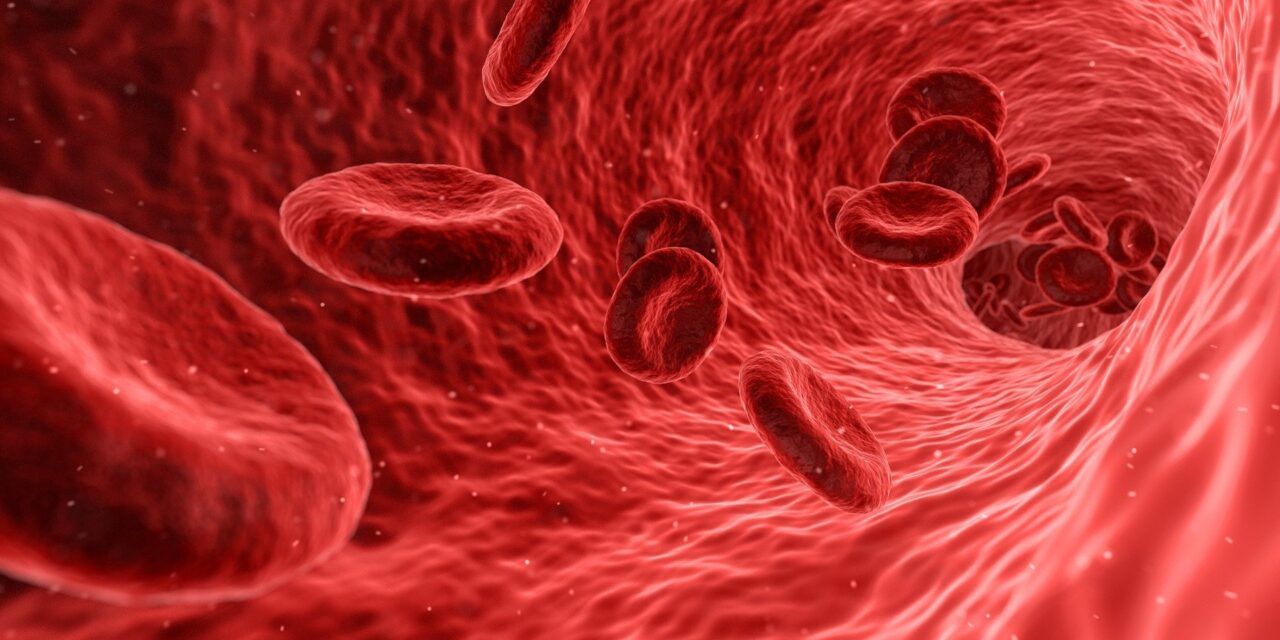
To capture this fleeting molecular event, scientists turned to cryogenic electron microscopy (cryo-EM), a cutting-edge technique that flash-freezes biological samples to sub-zero temperatures. This allowed them to capture high-resolution, three-dimensional images of the “moving junction”—a molecular ring that forms at the exact interface where the parasite meets the host cell—just as a merozoite (the active invasion stage of the parasite) forces its way into a human erythrocyte (red blood cell).
The resulting atomic-level maps revealed an incredibly sophisticated piece of biological engineering. Parasite proteins assemble into a tight, circular ring that acts simultaneously as a physical clamp and a structural wedge. This ring grips the outer surface of the red blood cell and physically reshapes its membrane, creating a gateway for the merozoite to push through.
Crucially, as the parasite squeezes through this tight ring, the junction acts as a cellular filter, actively excluding most of the host’s own membrane proteins. The cryo-EM maps pinpoint the exact atomic coordinates of key parasite ligands (binding molecules) and the corresponding host cell receptors they latch onto. By mapping these precise contact sites, researchers have effectively highlighted the exact “lock” and “key” mechanisms that small-molecule drugs or synthetic antibodies would need to block to prevent the invasion entirely.
Solving a Long-Standing Mystery of Parasite Mechanics
Independent parasitologists and structural biologists not involved in the study state that these structural data resolve long-standing questions about the physical mechanics of invasion. For decades, biochemical and cell-biological experiments had identified the individual pieces of the puzzle, but how those pieces moved and organized themselves in real time remained hidden.
“Because Plasmodium falciparum merozoites complete the entire process of red blood cell invasion in a matter of seconds, capturing direct structural snapshots was absolutely essential,” noted one independent expert in a commentary on the findings. “We knew the names of the actors, but this work finally shows us the choreography of the proteins at the moving junction as the breach occurs.”
The Context of Blood-Stage Malaria
Understanding this choreography is critical because the entire burden of malaria symptoms and mortality arises during this specific blood stage. When merozoites successfully breach red blood cells, they replicate exponentially inside them. The subsequent rupture of these cells and the release of new parasites underlie the classic, debilitating cycles of high fever, severe anemia, and life-threatening complications characteristic of severe malaria.
| Key Parasite Families | Primary Host Target | Role in Invasion |
| PfEBA (Erythrocyte Binding Antigens) | Surface Glycoproteins | Initial attachment & signaling |
| PfRH (Reticulocyte Binding Homologs) | Basigin Receptor & others | Tight binding & junction triggers |
Previous biochemical and genetic studies established that families of parasite ligands—specifically the PfEBA and PfRH protein groups—along with a key host cell receptor called basigin, are central to how the parasite attaches itself. However, how these individual molecules organized themselves into a functional, moving ring during entry was entirely unclear until these cryo-EM maps bridged the gap. This structural discovery complements earlier biophysical imaging work that explored how malaria alters the deformability and elasticity of red blood cells, showing that the parasite doesn’t just passively stick to the cell, but actively forces its way in by manipulating host cell mechanics.
Public Health Implications and Therapeutic Windows
Mapping the moving junction at atomic resolution does more than satisfy scientific curiosity; it highlights discrete parasite surfaces and host contact points that are highly vulnerable to targeted disruption. This raises the distinct possibility of engineering novel medications or monoclonal antibodies designed specifically to block this entry sequence, thereby preventing the symptomatic blood stage of malaria altogether.
If an engineered therapy can reliably prevent merozoite entry into erythrocytes, it would drastically reduce parasite replication within the human body. Consequently, this would lower the overall risk of disease transmission. Such an intervention is urgently needed in sub-Saharan Africa and other regions with a high P. falciparum burden, where rising resistance to current frontline antimalarial drugs threatens global eradication efforts. Furthermore, these structural targets are expected to directly inform future vaccine designs. By knowing the exact shapes of the contact residues, vaccine developers can create antigens that train the human immune system to produce antibodies that sterically hinder (physically block) the moving junction during the parasite’s brief, vulnerable window of exposure in the bloodstream.
Limitations and the Road to Clinical Translation
Despite the excitement surrounding these three-dimensional models, experienced researchers urge a balanced and cautious appraisal. Structural snapshots, no matter how detailed, represent specific, static shapes under controlled laboratory conditions. They do not fully capture the complex, fluid dynamics of an invasion as it happens under the constant pressure of live blood flow, nor do they account for the vast genetic diversity found across different wild parasite strains.
Furthermore, laboratory cryo-EM samples are processed in a clean environment that naturally omits complex host factors present in vivo (inside a living organism), such as circulating serum proteins and active immune system effectors. The laboratory models may also fail to capture alternate, variant ligands utilized by different Plasmodium species. Therefore, any therapeutic candidates derived solely from these static structures will require extensive functional validation in living models.
The Redundancy Challenge: Historically, biological targets identified in a lab setting have faced steep hurdles during clinical translation. The malaria parasite is notorious for its evolutionary redundancy; if a drug blocks one specific ligand pathway, the parasite often activates alternative backup variants within the PfEBA or PfRH families to bypass the block.
What This Breakthrough Means for Patients and Clinicians
For the general public, this discovery marks a monumental step forward in basic health science, peeling back the layers on how malaria ravages human blood. However, it is important to note that this basic-science progress underpins the future generation of medicines rather than providing immediate, actionable prevention or treatment advice for travelers or residents in endemic zones today. Current preventative regimens and insect nets remain the frontline defense.
For clinicians and molecular researchers, however, the implications are immediate. The newly mapped contact residues and the structural architecture of the ring provide explicit, highly targeted hypotheses to test in high-throughput drug screens, antibody neutralization assays, and vaccine antigen selection.
Practical next steps in the research pipeline are already unfolding:
-
Validation Testing: Researchers must now verify whether small molecules or monoclonal antibodies engineered to bind to these newly mapped contact sites can successfully halt invasion in laboratory cultures containing diverse, wild isolates of P. falciparum.
-
Animal Modeling: Candidate inhibitors must be aggressively evaluated in animal models to determine whether blocking the moving junction successfully reduces the overall parasite load without inadvertently forcing the parasite to evolve escape mechanisms through alternative entry pathways.
-
Species Cross-Reactivity: Scientists will need to investigate whether identical or highly similar moving-junction structures exist across other human-infecting malaria strains, such as Plasmodium vivax. This cross-species analysis will dictate whether a single, universal “blocker” vaccine or drug can be developed, or if species-specific variations will require a multi-targeted therapeutic approach.
References
-
Earth.com News: “Malaria’s invasion strategy reveals a promising new drug target,” published July 5, 2026.
- Medical Disclaimer: This article is for informational purposes only and should not be considered medical advice. Always consult with qualified healthcare professionals before making any health‑related decisions or changes to your treatment plan. The information presented here is based on current research and expert opinions, which may evolve as new evidence emerges.