 0
0
 0
0
AHMEDABAD — In a significant stride for regional public health, the Ahmedabad Municipal Corporation (AMC) announced this week that its citywide Human Papillomavirus (HPV) vaccination campaign has reached 65% of its target population. As of May 12, 2026, 31,579 adolescent girls aged 14 to 15 have received the vaccine, marking a robust turnaround for a program that faced initial sluggishness earlier this spring.
The drive, which offers the vaccine free of cost to eligible residents, is part of a strategic effort to lower the future incidence of cervical cancer in India’s seventh-largest city. With the campaign scheduled to run through May 31, health officials are now intensifying outreach to reach the remaining 16,864 girls before the month-end deadline.
From 5% to 65%: A Rapid Rebound in Uptake
The current momentum stands in stark contrast to the program’s launch phase. In March, preliminary reports indicated that only about 5% of the target group had been reached during the first four weeks. Public health experts attribute this dramatic “rebound” to a combination of expanded clinic hours, school-based awareness sessions, and a clearer communication strategy that addressed parental concerns regarding vaccine safety.
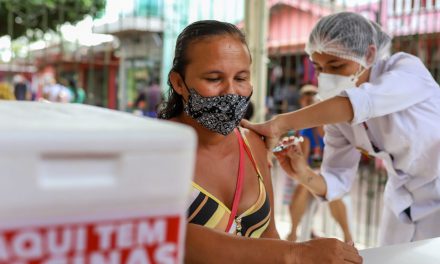
By removing the financial barrier—private HPV vaccination can cost several thousand rupees per dose—the AMC has effectively democratized access to what was once a “luxury” preventative measure. The shots are currently available at all Urban Health Centres (UHCs) and AMC-run hospitals across the city.
The Biological Clock: Why Age 14-15 Matters
The focus on adolescent girls is not arbitrary. The World Health Organization (WHO) and the Centers for Disease Control and Prevention (CDC) emphasize that the HPV vaccine is most effective when administered before an individual is exposed to the virus.
How the vaccine works:
-
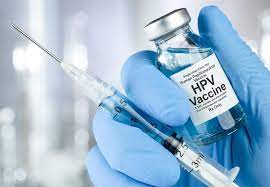
Preventative, Not Curative: The vaccine stimulates the immune system to recognize and fight specific strains of HPV. It does not treat existing infections.
-
Stronger Immune Response: Clinical data shows that younger adolescents produce a more robust antibody response to the vaccine compared to older teenagers or adults.
-
High Efficacy: The vaccine targets the HPV types responsible for approximately 70% of cervical cancer cases globally.
“The goal is to build a wall of immunity before the ‘exposure window’ opens,” says Dr. Ananya Shah, an independent public health consultant in Gujarat (not involved in the AMC drive). “By vaccinating at age 14 or 15, we are providing these girls with long-term protection that will benefit them decades down the line.”
The Heavy Burden of Cervical Cancer in India
The urgency behind Ahmedabad’s initiative is underscored by sobering national statistics. India carries a disproportionate share of the global cervical cancer burden, with approximately 123,907 new cases and 77,348 deaths recorded annually.
Cervical cancer is often called a “silent killer” because it develops slowly over many years. However, it is also one of the most preventable forms of cancer. The WHO’s global strategy for elimination relies on a “90-70-90” target: 90% of girls vaccinated by age 15, 70% of women screened by age 35 and 45, and 90% of those with cervical disease receiving treatment. Ahmedabad’s 65% coverage is a vital step toward that 90% gold standard.
Expert Perspectives on Safety and Efficacy
Despite the vaccine’s proven track record, vaccine hesitancy remains a hurdle for many public health departments. However, the evidence base for HPV immunization is among the most extensive in modern medicine.
A peer-reviewed review published in the Indian Journal of Medical Research (IJMR) highlighted that HPV vaccines demonstrate an efficacy of 90% or higher against high-grade precancerous lesions in individuals who have not yet been exposed to the virus. Furthermore, with over 280 million doses administered worldwide, global health authorities have found no evidence linking the vaccine to serious long-term adverse events.
“The safety profile of the HPV vaccine is excellent,” notes the CDC. “Common side effects are mild, such as soreness at the injection site, similar to what one might experience with a flu shot or a Tdap booster.”
Critical Context: Limitations and Next Steps
While the 65% figure is a victory for the AMC, several caveats remain:
-
Civic Data vs. Independent Audit: The figures reported are provided by municipal authorities and have not yet been verified by independent third-party health auditors.
-
Follow-up Requirements: Depending on the specific vaccine brand and national guidelines, some girls may require a second dose. The current data reflects the administration of the initial dose; ensuring “completion rates” will be the next logistical challenge.
-
Vaccination is Not a Replacement for Screening: Health professionals stress that even vaccinated women must undergo regular cervical cancer screenings (such as Pap smears or HPV DNA tests) in adulthood. The vaccine protects against the most common high-risk strains, but not all of them.
Practical Advice for Parents
For families in Ahmedabad, the window for free vaccination is closing on May 31. Guardians of girls aged 14 to 15 are encouraged to visit their nearest Urban Health Centre with age-proof documentation.
For the general public, the Ahmedabad rollout serves as a blueprint for how localized, free-of-cost government programs can bridge the gap in cancer prevention. By shifting the focus from expensive treatments to early-life immunization, the city is betting on a future where cervical cancer is a rare exception rather than a leading cause of mortality.
References
-
Ahmedabad Municipal Corporation (via NDTV): “Ahmedabad achieves 65 pc target in free HPV vaccination drive for adolescent girls,” published May 13, 2026.
Medical Disclaimer: This article is for informational purposes only and should not be considered medical advice. Always consult with qualified healthcare professionals before making any health-related decisions or changes to your treatment plan. The information presented here is based on current research and expert opinions, which may evolve as new evidence emerges.