 0
0
 0
0
REWA/BHOPAL, May 15, 2026 — In a significant leap for women’s healthcare in Central India, the Madhya Pradesh government today launched a high-tech cervical cancer screening pilot in Rewa district. The initiative, formalized through a Memorandum of Understanding (MoU) with a Hyderabad-based healthcare firm, aims to screen 10,000 women aged 25 to 65 using advanced Human Papillomavirus (HPV) DNA testing.
The project marks a strategic pivot from traditional visual inspection methods to molecular diagnostics, aligning the state with World Health Organization (WHO) “gold standard” protocols. By targeting high-risk viral infections before they progress to malignancy, officials hope to create a scalable blueprint for the entire state.
A Laboratory to the Field: The Pilot Mechanics
The pilot is integrated into the National Program for Prevention and Control of Non-Communicable Diseases (NP-NCD). While the Hyderabad partner provides technical expertise and standard clinical guidance, the execution remains a grassroots effort led by the National Health Mission (NHM).
“This is about building local muscle,” a state health official noted during the Bhopal announcement. The program includes intensive training for:
-
Auxiliary Nurse Midwives (ANMs) and Staff Nurses: For clinical sample collection and quality assurance.
-
Community Health Officers (CHOs): To manage follow-up and clinical data.
-
ASHA Workers: To mobilize rural women and provide essential counseling.
The Hyderabad-based partner will implement a “Train-the-Trainer” model, ensuring that Rewa develops a pool of master trainers capable of sustaining the program and expanding it to neighboring districts.
Why HPV DNA Testing is the New Gold Standard
For decades, cervical cancer screening in India primarily relied on Visual Inspection with Acetic Acid (VIA) or Pap smears (cytology). However, the WHO now recommends HPV DNA testing as the preferred primary screening tool because it is more objective and sensitive.
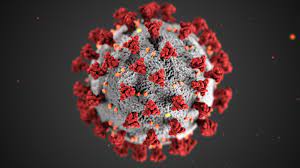
Unlike a Pap smear, which looks for abnormal cell changes under a microscope, an HPV DNA test detects the presence of the virus itself—specifically the “high-risk” strains (such as HPV 16 and 18) that cause over 70% of cervical cancers.
“HPV DNA tests are more efficient than cytology-based tests and less vulnerable to human error, particularly in low- and middle-income countries,” says Dr. Marilys Corbex, Senior Technical Officer for Noncommunicable Diseases at WHO. “Because the test is objective, there is less room for interpretation compared to visual methods.”
The Statistical Urgency
The push in Rewa comes as India grapples with a heavy cervical cancer burden. According to data shared in Parliament, India estimated 81,121 new cases in the 2023-24 period alone.
While the National NCD Portal reported that 8.73 crore women had been screened as of February 17, 2026, many of those screenings used VIA, which can have higher rates of false negatives. The shift to HPV-based testing in Rewa is intended to close this accuracy gap.
Cumulative Screening Progress in India (As of 2025-2026)
| Milestone Date | Women Screened (National NCD Portal) |
| December 2, 2024 | 8.88 Crore |
| July 20, 2025 | 10.18 Crore |
| February 17, 2026 | 8.73 Crore (Active Monitoring) |
Source: Ministry of Health and Family Welfare / National NCD Portal
Bridging Vaccination and Screening
The Rewa pilot does not exist in a vacuum. In early 2026, Madhya Pradesh launched a massive state-wide HPV vaccination drive, targeting approximately 8 lakh adolescent girls aged 14 to 15.
Public health experts emphasize that vaccination and screening are “two sides of the same coin.” While the vaccine prevents future infections in young girls, screening is the only way to save adult women who may already be carriers of the virus.
Limitations: The “Last Mile” Challenge
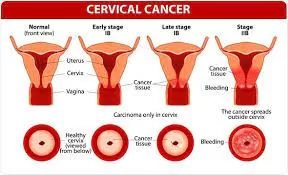
Despite the technological superiority of DNA testing, experts warn that the test is only as good as the system behind it. A positive HPV test is not a cancer diagnosis; it is a signal that a woman needs further evaluation.
The success of the Rewa pilot faces several hurdles:
-
Follow-up Logistics: In rural Madhya Pradesh, a woman who tests positive may struggle to reach a tertiary care center for a biopsy or treatment.
-
Affordability: While the pilot is government-funded, scaling the higher cost of DNA kits (compared to vinegar for VIA) across 52 districts remains a fiscal challenge.
-
The “Pilot Trap”: Screening 10,000 women is a controlled exercise. Expanding to millions will require robust cold-chain logistics for samples and digital infrastructure for results.
“If further diagnostics and treatment components are not perfectly organized, advanced testing methods can be considered useless,” Dr. Corbex cautioned.
What This Means for You
For women in Madhya Pradesh, the Rewa pilot is a sign of a shifting healthcare landscape. If you are between the ages of 25 and 65, staying informed about available screening is vital.
Cervical cancer is unique because it is almost entirely preventable through a combination of vaccination (for the young) and regular screening (for adults). If you live in an area where HPV DNA testing is becoming available, it offers a highly accurate way to understand your risk years before a problem actually develops.
As the Rewa project unfolds, it will serve as a critical test of whether India can move its most advanced medical technology from urban laboratories to the doorsteps of rural villages.
Reference Section
- https://www.lokmattimes.com/national/mp-govt-partners-with-hyderabad-based-healthcare-firm-for-cervical-cancer-screening-project-in-rewa/
Medical Disclaimer: This article is for informational purposes only and should not be considered medical advice. Always consult with qualified healthcare professionals before making any health-related decisions or changes to your treatment plan. The information presented here is based on current research and expert opinions, which may evolve as new evidence emerges.