 0
0
 0
0
April 3, 2026
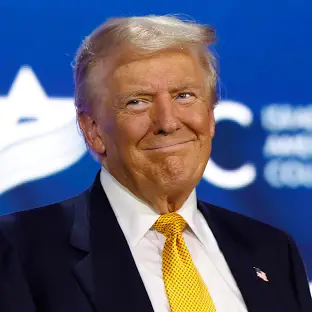
WASHINGTON — In a major escalation of his “America First” healthcare agenda, President Donald Trump signed an executive order yesterday imposing tariffs of up to 100% on imported patented pharmaceuticals. The move, timed to the one-year anniversary of his “Liberation Day” trade policy, seeks to force global drugmakers to slash U.S. prices and move manufacturing facilities to American soil.
The order targets foreign-made branded medications and their active ingredients, following a national security review that characterized U.S. reliance on overseas pharmaceutical supply chains as a critical vulnerability. While the policy offers zero-tariff exemptions for companies that agree to “Most Favored Nation” (MFN) pricing—matching the lowest prices paid by other wealthy nations—it threatens to upend a global industry that has long relied on cross-border production.
A Carrot-and-Stick Approach to Drug Pricing
The executive order establishes a tiered “compliance clock.” Large pharmaceutical firms have 120 days to reach agreements with the administration, while smaller manufacturers are granted 180 days before the full weight of the tariffs is applied.
The Tariff Escalation Scale:
-
0% Tariff: Companies that sign MFN pricing deals and have U.S. manufacturing construction currently underway.
-
20% Tariff: Companies building U.S. facilities but refusing to sign MFN pricing agreements.
-
100% Tariff: Companies that fail to meet either pricing or domestic production requirements within four years.
“For decades, American patients have subsidized the rest of the world’s low drug prices,” President Trump stated during the signing ceremony. “Today, we are telling the drug companies: if you want to sell to our citizens, you must make it here and you must price it fairly.”
The administration has already secured confidential “TrumpRx” pacts with 13 major drugmakers, including Pfizer, Merck, and AstraZeneca. These firms are currently exempt from the new duties in exchange for Medicaid discounts and domestic investment pledges.
National Security vs. Patient Access
The administration frames the move as a safeguard against supply chain disruptions, particularly those involving China and India, which provide the bulk of active pharmaceutical ingredients (APIs) for generic drugs. However, the policy’s focus on patented, branded drugs has drawn mixed reactions from health experts.
Dr. Mariana Socal, an associate professor at the Johns Hopkins Bloomberg School of Public Health, warns that the complexity of modern medicine makes sudden reshoring difficult. “We are already in a situation where many find prescription medications unaffordable,” Dr. Socal noted. “Tariffs on these essential goods act as a hidden tax that could ultimately be passed down to the consumer.”
Economists at the Yale Budget Lab have projected that even a 25% tariff on pharmaceuticals could add roughly $600 annually to the average household’s healthcare costs. At 100%, critics fear the financial burden could become insurmountable for those managing chronic conditions like cancer or diabetes.
Experts Sound the Alarm on Generics
While branded drugs are the primary target, the “halo effect” of the tariffs on the broader market is a significant concern. Generics make up 91% of U.S. prescriptions, and many rely on the same global supply chains as branded meds.
Peter Maybarduk, Director of Public Citizen’s Access to Medicines program, called the policy “the wrong prescription.”
“The administration is exempting many drugmakers in exchange for secretive arrangements that spare corporate profits,” Maybarduk said. “Meanwhile, these tariffs risk worsening medicine scarcity and rationing by disrupting the low-margin generic market.”
Industry groups like PhRMA have also expressed caution. CEO Stephen J. Ubl stated that while the group supports efforts to ensure “fair shares” in global pricing, “taxes on cutting-edge medicines will increase costs and could jeopardize billions in U.S. R&D investments.”
What This Means for Your Health Decisions
For the average American, the impact of this executive order may not be felt at the pharmacy counter immediately, but changes are likely on the horizon:
-
Monitor Prices: Consumers should watch for price fluctuations in branded medications over the next four to six months as the compliance windows close.
-
Check TrumpRx Eligibility: Those paying cash for medications should verify if their drugs are covered under the “TrumpRx” discount program, which aggregates deals from participating manufacturers.
-
Stockpile Risks: Healthcare providers are warning against “panic buying,” which can create artificial shortages. Always consult your doctor before changing your medication schedule.
-
Generic Stability: While the current order focuses on patented drugs, disruptions in the supply of raw ingredients could affect the availability of some generics. Use the FDA’s drug shortage database to stay informed.
The Road Ahead: Legal and Global Hurdles
The pharmaceutical industry is expected to challenge the order in court, following the Supreme Court’s February 2026 ruling that struck down previous broad “Liberation Day” tariffs. Legal analysts suggest the administration is now relying on Section 232 of the Trade Expansion Act, which allows for trade restrictions based on national security.
Internationally, the policy has already sparked tension. While allies like the UK, EU, and Japan have secured tariff caps (ranging from 10% to 15%), trade experts warn of potential retaliation that could further strain the global flow of life-saving medicines.
Statistical Context at a Glance
| Metric | Current Status |
| U.S. Pharma Imports | Increased from $73B to $215B in 10 years |
| Generic Use | 91% of all U.S. prescriptions |
| Projected Household Cost | Est. $600/year (at 25% tariff level) |
| Industry Compliance | 120 days (Large firms) / 180 days (Small firms) |
References
-
Reuters. “A year after ‘Liberation Day,’ Trump sets new drug tariffs.” April 2, 2026.
Medical Disclaimer: This article is for informational purposes only and should not be considered medical advice. Always consult with qualified healthcare professionals before making any health-related decisions or changes to your treatment plan. The information presented here is based on current research and expert opinions, which may evolve as new evidence emerges.