 0
0
 0
0
GENEVA — More than 4 million people died from ischaemic heart disease (IHD) worldwide in 2023 due to diets lacking protective nutrients and overloaded with harmful ingredients, according to a sweeping new analysis published in Nature Medicine. Drawing on data from the 2023 Global Burden of Disease (GBD) Study, researchers identified low intake of nuts, seeds, whole grains, and fruits—combined with excessive sodium consumption—as the primary dietary drivers of these global fatalities. The findings underscore a critical public health crisis: while medical treatments for heart disease have advanced significantly, the global food environment remains a “deadly” obstacle to cardiovascular health.
The Scale of the Crisis: 4 Million and Counting
The study, a collaborative effort between researchers at Massachusetts General Hospital, Kyung Hee University in South Korea, and the GBD consortium, provides a sobering look at the intersection of nutrition and longevity. Analysts estimated that sub-optimal diets were responsible for 4.06 million IHD deaths in 2023 and approximately 96.84 million disability-adjusted life years (DALYs) lost globally.
While the absolute number of diet-related deaths has climbed by roughly 41.6% since 1990, the report offers a silver lining: the age-standardized death rate actually fell by about 44% (from 80.62 to 45.22 per 100,000 population). Experts attribute this paradox to a growing and aging global population, alongside better emergency medical care and pharmaceutical interventions that keep patients alive longer after a cardiac event. However, the underlying cause—what we put on our plates—remains a stubborn risk factor.
The “Big Four” Dietary Culprits
The research identified specific dietary gaps that contribute most significantly to heart disease mortality:
-
Low intake of nuts and seeds: Accounted for 9.87 deaths per 100,000.
-
Low intake of whole grains: Accounted for 9.22 deaths per 100,000.
-
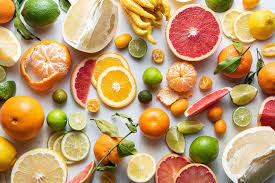
Low intake of fruits: Accounted for 7.25 deaths per 100,000.
-
High sodium (salt) intake: Accounted for 7.15 deaths per 100,000.
“Diet is not just a lifestyle choice; it’s a powerful and measurable driver of cardiovascular outcomes,” says Dr. Ashish Joshi, a preventive cardiologist not involved in the study. “When we see millions of deaths tied to what people eat, that’s a clear signal that nutrition has to be central to public-health policy, not an afterthought.”
Why the Heart Suffers: The Biological Link
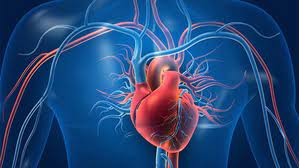
Ischaemic heart disease, often referred to as coronary artery disease, occurs when fatty plaques build up inside the coronary arteries. This process, known as atherosclerosis, narrows the path for oxygen-rich blood to reach the heart muscle. When the heart is starved of oxygen, the result is chest pain (angina), heart attacks, or sudden cardiac death.
Diet influences this biological process through several mechanisms:
-
Missing Protectors: Foods like nuts, seeds, and whole grains are rich in fiber, unsaturated fats, and antioxidants. These compounds actively lower “bad” LDL cholesterol, reduce systemic inflammation, and improve insulin resistance.
-
The Sodium Surge: High salt intake triggers the body to hold onto extra water, increasing blood volume and putting immense pressure on arterial walls. This chronic hypertension is a leading trigger for heart attacks.
-
The Ultra-Processed Trap: In higher-income regions, the over-consumption of ultra-processed foods and sugary drinks adds “empty” calories and unhealthy trans-fats while displacing nutrient-dense foods.
A Tale of Two Burdens: Regional Disparities
The study highlights a stark divide in how poor nutrition affects different parts of the world. In low- and middle-sociodemographic index (SDI) countries, the burden is often defined by deficiency. Many populations lack reliable access to or the means to afford protective foods like fresh fruit and whole grains.
Conversely, in high-SDI countries, the burden is defined by excess. Here, cheap, ultra-processed products, red meats, and sodium-heavy snacks dominate the marketplace.
“We’re seeing a double burden,” notes Dr. Neha Singh, a public-health nutritionist. “In poorer regions, people can’t afford enough healthy foods; in richer ones, cheap, ultra-processed products flood the market, and public-health messaging often can’t keep up.”
While most of the world saw a decline in the proportion of diet-linked IHD deaths over 30 years, regions such as South Asia, Southeast Asia, and Sub-Saharan Africa bucked the trend, showing persistent or even rising burdens.
From Statistics to Solutions: Policy and Practice
Health experts argue that these 4 million deaths are preventable. The study serves as a “roadmap” for governments to shift from treating heart disease to preventing it. Recommended policy levers include:
-
Taxes and Labels: Implementing “sin taxes” on sugary drinks and front-of-package warning labels for high-sodium foods.
-
Subsidies: Shifting agricultural incentives to make fruits, nuts, and legumes more affordable than refined grains and processed oils.
-
Clinical Intervention: Encouraging doctors to treat nutrition as a “vital sign.”
“We already check blood pressure and cholesterol; we also need to ask patients what they eat on a typical day,” says Dr. Rakesh Mehta, a cardiologist. “We need to offer simple, culturally appropriate guidance, not just ‘eat healthy’ as a vague slogan.”
Limitations of the Research
While the study is robust, it relies on population-level modeling from the GBD database rather than long-term tracking of specific individuals. This creates “uncertainty intervals” in the exact death toll. Furthermore, diet does not act in a vacuum; it interacts with genetics, smoking habits, physical inactivity, and environmental factors like air pollution.
Critics also point out that focusing solely on “choices” ignores the structural drivers of health. For many, a “sub-optimal diet” is a result of poverty or living in “food deserts” where fresh produce is unavailable.
What This Means for Your Plate
For the average consumer, the goal is not dietary perfection, but manageable shifts. Experts suggest three practical changes:
-
Add, Don’t Just Subtract: Incorporate a handful of nuts or a serving of whole grains (like oats or brown rice) into your daily routine.
-
Slash the Salt: Reduce reliance on packaged snacks and instant meals, which are the primary sources of hidden sodium.
-
Read the Labels: Look for shorter ingredient lists and lower sodium percentages on the back of packages.
By focusing on adding “protective” foods while curbing sodium, individuals can significantly lower their personal risk profile for the world’s leading killer.
Medical Disclaimer: This article is for informational purposes only and should not be considered medical advice. Always consult with qualified healthcare professionals before making any health-related decisions or changes to your treatment plan. The information presented here is based on current research and expert opinions, which may evolve as new evidence emerges.
References
- https://health.economictimes.indiatimes.com/news/industry/sub-optimal-diets-responsible-for-4-mn-ischaemic-heart-disease-deaths-globally-in-2023-study/129951709?utm_source=latest_news&utm_medium=homepage