 0
0
 0
0
BAHRAICH, UTTAR PRADESH — A profound wave of grief has swept through the medical community following the sudden death of Dr. Vinod Kumar, a dedicated orthopaedic surgeon at the Maharaja Suheldev Autonomous State Medical College. Dr. Kumar collapsed unexpectedly while preparing for a scheduled surgery on Tuesday, July 14, 2026. Despite immediate, intensive resuscitation efforts by his colleagues, the physician was pronounced dead later that evening from a suspected sudden cardiac arrest. The incident has sent shockwaves through the region and renewed critical conversations regarding emergency preparedness inside hospitals and the intense occupational pressures faced by healthcare professionals.
The Fatal Incident: A Timeline of Events
According to official statements from the medical college administration, Dr. Kumar, a resident of the Sant Kabir Nagar district, had completed his morning outpatient department (OPD) duties and was preparing to enter the operation theatre for scheduled surgeries.
Witnesses and hospital officials reported that Dr. Kumar initially complained of acute physical discomfort, describing symptoms of abdominal distress, nausea, and sudden breathlessness. Shortly after reporting these symptoms, he lost consciousness.
The response from the operating room staff was immediate:
-
Cardiopulmonary Resuscitation (CPR): Nearby clinicians instantly initiated advanced life support measures.
-
Ventilatory Support: The medical team provided immediate intubation and mechanical ventilation.
-
Advanced Resuscitation: Despite continuous efforts lasting several hours, Dr. Kumar could not be revived.
He was officially declared dead at approximately 4:40 PM. The medical college authorities subsequently notified his family, and the body was referred for a formal post-mortem examination to establish the precise cause of death.
Fact-Checking the Preliminary Reports
Initial accounts of the tragedy were carried by prominent regional Indian news outlets, including the Press Trust of India (PTI), Amar Ujala, Dainik Bhaskar, and Medical Dialogues. While these reports provide a consistent narrative regarding the timeline, identity, and resuscitation efforts, health journalism guidelines urge caution.
At present, a definitive medical cause of death remains unconfirmed, as official autopsy and toxicology reports have not yet been publicly released.
Furthermore, medical communication experts note that early media coverage frequently conflates initial symptoms with a final diagnosis. While symptoms like nausea and abdominal discomfort can act as atypical warning signs of an impending cardiac event, they are non-specific and require objective diagnostic confirmation—such as post-mortem histology or cardiac enzyme analysis—before a conclusive medical verdict can be drawn.
Clinical Context: Understanding Sudden Collapse in Adults
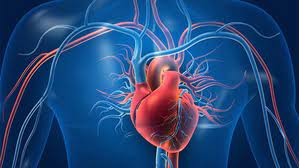
Sudden unexpected collapse followed by cardiac arrest in adults is most frequently triggered by acute cardiovascular events. These primarily include an acute myocardial infarction (a classic heart attack) or a sudden lethal arrhythmia (a disruption in the heart’s electrical rhythm).
However, clinical guidelines emphasize that non-cardiac emergencies can present identically. These include:
-
Massive Pulmonary Embolism: A sudden blockage in the lung arteries.
-
Intracranial Hemorrhage: A severe, sudden stroke or bleeding in the brain.
-
Severe Metabolic Disturbances: Advanced electrolyte imbalances that arrest heart function.
The Survival Equation: Statistics from global health organizations demonstrate that survival from both in-hospital and out-of-hospital cardiac arrest relies heavily on the “Chain of Survival”—specifically, the speed of high-quality bystander CPR and rapid defibrillation. However, even with immediate intervention, the ultimate outcome depends heavily on the patient’s underlying physiology and the specific root cause of the arrest.
Expert Perspectives: The Hidden Risks in Medicine
To gain an objective understanding of this tragedy, independent medical experts emphasize the need for both diagnostic patience and structural self-reflection within the healthcare sector.
“A sudden collapse in a relatively young clinician frequently points toward an underlying arrhythmic event or an acute coronary syndrome,” explains Dr. Anil Sharma, a cardiologist not involved in the case. “However, speculating without data is irresponsible. A comprehensive post-mortem examination, including detailed histology and toxicology, is absolutely essential to identify the precise pathological cause.”
Beyond the immediate clinical mechanics, the incident has highlighted the broader issue of physician wellness.
Dr. Meera Rao, a public health physician specializing in occupational health, notes that the medical profession carries unique, systemic health hazards. “Occupational stress, chronically long duty hours, sleep deprivation, and a cultural tendency toward delayed self-care among physicians significantly compound their cardiovascular risk profiles,” says Dr. Rao. “Healthcare providers are excellent at caring for others, but they frequently ignore their own warning signs. Regular, mandatory screenings for hypertension, diabetes, and dyslipidemia are vital for frontline medical staff.”
Implications for Public Health and Hospital Infrastructure
The tragic loss of Dr. Kumar brings two critical public health priorities to the forefront:
1. Intra-Hospital Institutional Readiness
It is a common misconception that cardiac arrests inside a hospital always have favorable outcomes. Hospitals must ensure flawless internal emergency readiness. This includes continuous advanced cardiac life support (ACLS) training for all staff tiers, the strategic placement of fully functional automated external defibrillators (AEDs), and rapid-response protocols designed specifically for when a staff member or visitor collapses on-site.
2. Safeguarding Healthcare Worker Well-being
Medical institutions must transition from reactive care to proactive occupational health strategies. Implementing routine cardiovascular screening pathways and fostering a culture where clinicians are encouraged to seek immediate medical help—rather than attributing severe symptoms to mere fatigue—could save the lives of those who spend their lives saving others.
Recognizing the Warning Signs: What Readers Should Do
For the general public and healthcare workers alike, recognizing the subtle, prodromal symptoms of a severe cardiovascular event can mean the difference between life and death. Medical authorities advise seeking immediate emergency medical care if you or someone near you experiences:
-
Unexplained, sudden breathlessness or severe fatigue.
-
Feeling faint, lightheaded, or experiencing syncope (temporary loss of consciousness).
-
Nausea, vomiting, or unexplained upper abdominal discomfort, particularly when accompanied by a feeling of pressure in the chest.
-
Profuse, unexplained cold sweating.
-
Pain that radiates to the jaw, neck, back, or arms.
When a collapse occurs, immediately activating emergency medical services and initiating continuous chest compressions (hands-only CPR) are the most effective actions a bystander can take while waiting for professional medical backup.
References & Sources
-
Medical Dialogues: “Bahraich Medical College orthopaedic surgeon dies after cardiac arrest inside operation theatre,” published July 15, 2026.
-
ThePrint (Hindi / PTI): “An orthopaedic surgeon died while on duty at Bahraich Medical College,” published July 14, 2026.
Medical Disclaimer: This article is for informational purposes only and should not be considered medical advice. Always consult with qualified healthcare professionals before making any health-related decisions or changes to your treatment plan. The information presented here is based on current research and expert opinions, which may evolve as new evidence emerges.