 0
0
 0
0
LUCKNOW, INDIA — Following a high-profile campus inspection by Uttar Pradesh Governor Anandiben Patel, King George’s Medical University (KGMU) has officially barred the cooking and serving of non-vegetarian food across its 18 institutional hostel messes and canteens. The directive, implemented on July 14–15, 2026, was triggered by reports of severe hygiene lapses—including the discovery of expired spices in facilities catering to more than 500 medical students. However, the blanket restriction has quickly ignited a fierce debate among public health experts, doctors, and students, shifting the conversation from a matter of basic kitchen sanitation into a larger dispute over campus governance, personal autonomy, and nutritional science.
While KGMU administration stresses that the policy is a campus management decision rather than a total lifestyle ban—noting that students remain free to order non-vegetarian meals from outside or prepare them individually—critics argue the response misses the mark. For a campus filled with future medical professionals from diverse cultural and geographic backgrounds, the measure has raised fundamental questions about whether eliminating an entire food group is a scientifically sound remedy for institutional cleanliness.
The Inspection: How Kitchen Lapses Led to a Menu Ban
The administrative shift began when Governor Patel conducted a routine oversight visit at KGMU, one of Northern India’s premier medical institutions. In two of the largest hostel messes, inspectors uncovered deeply concerning food safety violations, most notably multiple batches of expired spices and poorly maintained food preparation zones.
In response, KGMU authorities ordered the immediate cessation of non-vegetarian food preparation in all university-managed canteens. According to university updates, several private, student-run messes operating within the housing complexes were also strongly advised to comply.
Administrators have defended the decision by framing it as a dual victory for student health, suggesting that vegetarian diets are inherently safer to manage in large volumes and offer superior health benefits. However, public health analysts suggest that blaming the type of protein rather than institutional oversight conflates two entirely separate issues: food safety and nutrition.
The Public Health Reality: Pathogens vs. Preparation
From a medical and epidemiological standpoint, large-scale kitchens present distinct safety hazards. The World Health Organization (WHO) consistently notes that institutional kitchens feed high volumes of people daily, meaning a single breakdown in sanitation can result in widespread foodborne illness outbreaks.
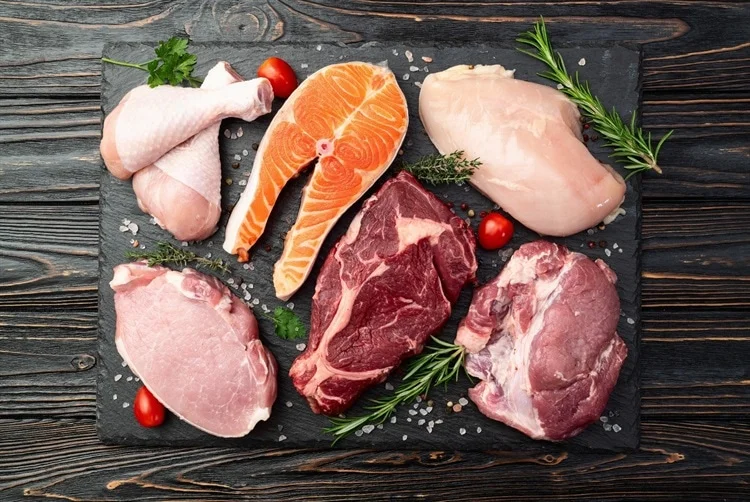
According to the WHO Five Keys to Safer Food manual, animal products like raw meat, poultry, and eggs do carry a higher baseline risk for cross-contamination compared to most plant-based foods. Raw meat frequently harbors pathogens like Salmonella, E. coli, and Campylobacter.
“Raw meat must be handled with extreme care because anything it touches can become contaminated,” notes Dr. Pritish Tosh, MD, an infectious diseases specialist with the Mayo Clinic who has extensively studied institutional outbreak risks. “This includes hands, cutting boards, utensils, and kitchen surfaces.”
In a bustling student hostel where utensils are shared and cooking volumes are high, maintaining strict separation between raw and cooked items requires intensive oversight. However, the WHO stresses that these risks are entirely manageable through standardized kitchen discipline, proper refrigeration, and certified food-handler training. Public health guidelines focus on enforcing these stringent practices rather than implementing blanket dietary exclusions, implying that any properly managed kitchen can safely serve a diverse menu.
Decoding the Nutritional Science: Vegetarianism and Health Claims
In the wake of the university’s announcement, KGMU leadership publicly championed the move by implying that a vegetarian menu would naturally cultivate a healthier student body. Clinical literature, however, reveals a far more nuanced reality.
A comprehensive 2020 umbrella review published in Critical Reviews in Food Science and Nutrition analyzed decades of dietary data. The authors found that well-planned vegetarian diets are indeed robustly associated with lower total cholesterol, decreased low-density lipoprotein (LDL) cholesterol, and a reduced risk of ischemic heart disease. Yet, the review highlighted a critical caveat: individuals strictly avoiding animal products frequently exhibited lower levels of vitamin B12 and elevated levels of homocysteine—an amino acid linked to cardiovascular strain—if their diets were not carefully supplemented.
Similarly, a landmark review cited by the American Dietetic Association in Public Health Nutrition concluded that while low-meat and prudent vegetarian patterns significantly improve outcomes for type 2 diabetes and coronary health, an absolute “optimal” universal diet remains elusive. Restrictive eating patterns in high-stress academic environments can easily lead to micronutrient deficiencies and protein gaps if the alternative meals are poorly designed.
Medical experts point out that “vegetarian” and “healthy” are not automatically synonymous. A diet consisting primarily of highly processed carbohydrates, deep-fried vegetarian items, and excessive sodium carries substantial metabolic risks. Ultimately, overall diet quality, calorie balance, and micronutrient density dictate public health outcomes far more than the simple presence or absence of meat on a plate.
Autonomy, Governance, and the Case for Targeted Reform
For the student body and resident doctors, the core grievance rests on a perceived infringement of personal autonomy. A medical university hosts a highly diverse population with varied cultural, regional, and nutritional requirements. By restricting the affordable, institutional preparation of diverse protein sources, critics argue the administration is disproportionately penalizing students for management-level failures.
Furthermore, student representatives point out a logical contradiction in the policy: if the core problem discovered during the Governor’s inspection was the presence of expired spices and unhygienic facilities, removing meat does nothing to resolve the underlying systemic failure. Expired ingredients can just as easily contaminate vegetarian stews and lentil dishes.
Many campus voices argue that the university should have pursued targeted administrative reforms rather than structural menu restrictions. These would include:
-
Establishing rigorous, weekly kitchen inspections by certified food safety officers.
-
Mandating formal food-handling certifications for all mess staff.
-
Upgrading refrigeration infrastructure to ensure strict temperature controls.
-
Modernizing procurement pipelines to guarantee the freshness of all ingredients, spices, and grains.
Lessons for the Public: Evaluating Institutional Food Safety
For the general public and families with students living in residential academic environments, the situation at KGMU serves as a reminder that institutional food safety requires constant vigilance. The true measure of a kitchen’s safety is not what is on the menu, but how the environment is managed.
When evaluating the safety of a shared dining facility, public health guidelines suggest focusing on key behavioral markers rather than menu categories. Cleanliness of preparation surfaces, regular handwashing habits of staff, proper separation of storage areas, and transparent compliance with local food health codes are the primary defenses against illness.
As the administrative dialogue at KGMU continues to unfold, the situation remains a cautionary tale for campus governance. It demonstrates that while the enforcement of kitchen hygiene is non-negotiable, effective public health interventions are most successful when they remain strictly evidence-based, logistically targeted, and respectful of personal choice.
References
-
Medical Dialogues: Investigative brief on KGMU’s institutional prohibition of non-vegetarian food service and student autonomy concerns, July 15, 2026.
Medical Disclaimer: This article is for informational purposes only and should not be considered medical advice. Always consult with qualified healthcare professionals before making any health-related decisions or changes to your treatment plan. The information presented here is based on current research and expert opinions, which may evolve as new evidence emerges.