 0
0
 0
0
NEW DELHI — A major public health crisis is quietly unfolding across India, masked by a stark geographical paradox. Despite basking in abundant tropical sunshine for most of the year, nearly three-quarters of the Indian population suffers from low levels of vitamin D. A landmark 2025 expert consensus, coupled with recent regional population studies, reveals that this “silent epidemic” spans across age groups, geographic regions, and socio-economic classes. The findings have prompted leading endocrinologists to sound the alarm, urging standardized clinical guidelines and structural public health interventions to combat a deficiency that threatens the country’s long-term bone and metabolic health.
The Scale of the Shortfall
For years, the true extent of vitamin D deficiency in India was difficult to quantify due to a patchwork of differing laboratory standards and localized studies. However, recent data paints a remarkably consistent, troubling picture.
A comprehensive population-based study examining 1,403 adults across urban and rural pockets of Delhi’s National Capital Region (NCR) exposed a severe urban-rural divide, yet highlighted widespread vulnerability. In urban communities, a staggering 71% of participants presented with severe vitamin D deficiency, 27% had a moderate deficiency, and 2% were classified as insufficient. Strikingly, only a minuscule fraction of the urban population maintained optimal levels. While rural areas fared slightly better, they were by no means immune: 20% of rural participants had severe deficiency, 47% were deficient, and 25% were insufficient. The data clearly identified that urban living, female sex, and abdominal obesity were the strongest independent predictors of severe deficiency.
These localized findings align with broader, large-scale health-data analyses across the subcontinent. Current epidemiological reviews indicate that between 70% and 100% of the general Indian population possesses sub-optimal vitamin D levels. The burden appears particularly heavy among young adults—a demographic increasingly tied to indoor, sedentary employment.
Deconstructing the “Sunlight Paradox”
How does a nation bathed in sunlight face such an extensive deficiency? The answer lies in a combination of shifting modern lifestyles, environmental challenges, and biological factors.
Vitamin D, often called the “sunshine vitamin,” is unique because the human body synthesizes it naturally when skin is exposed to ultraviolet B (UVB) solar radiation. However, modern Indian lifestyles have drastically altered this relationship. The rapid rise of indoor corporate employment, prolonged screen times among youth, and urban architectural designs limit daily outdoor exposure.
Furthermore, when Indians do venture outside, several factors block UVB absorption:
-
Air Pollution: Heavy atmospheric smog and particulate matter in major Indian metros filter out critical wavelengths of sunlight required for dermal vitamin D synthesis.
-
Cultural Practices: A widespread preference for modest clothing and the intentional avoidance of sun exposure to prevent skin tanning significantly limit the surface area of skin exposed to the sun.
-
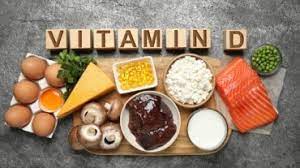
Dietary Gaps: Unlike Western nations, where staple foods like milk and cereal are systematically fortified, the traditional Indian diet features very few natural sources of vitamin D. Vegetarianism is highly prevalent, and even non-vegetarian diets rarely consume enough fatty fish or cod liver oil to meet daily requirements.
A New Framework for Clinical Action
Recognizing the lack of unified national standards, 41 of India’s leading endocrinologists recently utilized the Delphi method—a structured communication technique used to reach a consensus among experts—to establish the 2025 Indian Expert Consensus on Vitamin D. Published in the Indian Journal of Endocrinology and Metabolism, the panel achieved over 90% agreement on how the country should define, test, and treat the condition.
The consensus recommends that clinicians aim to help patients maintain physiological 25-hydroxyvitamin D [25(OH)D] levels between 40 and 60 ng/mL. Crucially, the document provides tailored, age-specific guidance for neonates, children, adolescents, adults, older adults, and pregnant or lactating women.
Dr. Ramesh Kakar, an independent endocrinologist based in Mumbai who was not involved in drafting the consensus, emphasizes the clinical value of the new publication.
“Historically, Indian laboratories and clinics imported diagnostic cutoffs established in Western countries, which caused immense confusion,” says Dr. Kakar. “This 2025 consensus gives us a baseline rooted in local clinical reality. It will help prevent both the underdiagnosis of severe cases and the hazardous trend of over-treating patients with mega-doses they don’t need.”
The Costs of Long-Term Deficiency
The skeletal consequences of chronic vitamin D deficiency are well-established. The vitamin acts as a vital key, allowing the body to absorb calcium from the gut. Without it, the body strips calcium from the bones to maintain critical blood levels.
In children, prolonged deficiency can result in rickets, a condition characterized by soft, weak, and deformed bones. The Indian Academy of Pediatrics (IAP) has continuously updated its protocols to mandate prevention strategies for rickets, emphasizing early childhood supplementation. In adults, chronic deficiency leads to osteomalacia (bone softening) and accelerates osteoporosis, significantly increasing the risk of muscle weakness, balance issues, falls, and debilitating fractures among the elderly.
Beyond the skeleton, researchers are actively investigating the non-skeletal impacts of low vitamin D, particularly its role in modulating immune responses and metabolic health. However, medical authorities urge caution. While observational studies hint at links between low vitamin D and cardiovascular risks or poor immune health, clinical trials have not yet proven that taking supplements will cure or prevent these conditions. Experts warn patients not to treat vitamin D as a miracle cure-all.
Shifting Focus from Individual Testing to Public Health
For a population of over 1.4 billion people, relying solely on individual clinical testing is an inefficient strategy. Diagnostic blood tests remain expensive and inaccessible for millions of rural or low-income Indians.
Consequently, public health bodies are shifting their focus toward preventative, population-wide measures. The Food Safety and Standards Authority of India (FSSAI) has increasingly advocated for large-scale food fortification, encouraging manufacturers to enrich staple items like milk and edible oils with vitamin D.
Because many foods naturally contain very little vitamin D, experts argue that systematic fortification is the most equitable way to raise the baseline levels of the entire population, irrespective of socio-economic status or access to healthcare.
What This Means for Consumers
For the everyday reader, the widespread prevalence of deficiency is a prompt for awareness, not panic. Healthcare professionals strongly advise against self-diagnosing or self-medicating based on ambiguous symptoms like chronic fatigue or minor muscle aches. Because vitamin D is fat-soluble, excess amounts accumulate in the body and can lead to toxicity, resulting in hypercalcemia (dangerously high blood calcium levels) which can damage the kidneys and heart.
Individuals who fall into high-risk categories should proactively consult their doctors about getting tested. These vulnerable groups include:
-
Older adults and post-menopausal women.
-
Individuals with abdominal obesity.
-
Pregnant and lactating women, to ensure neonatal health.
-
Individuals whose occupations keep them strictly indoors during peak daylight hours.
Ultimately, medical consensus emphasizes that supplement dosages must be strictly individualized. The correct therapeutic approach depends heavily on an individual’s age, baseline blood levels, dietary restrictions, and broader medical history.
While biochemical data conclusively proves that low vitamin D is an extensive problem across India, standardizing public policy remains an ongoing process. For now, a balanced combination of sensible sun exposure, conscious dietary choices, and guided clinical supplementation offers the safest path forward.
Reference Section
- https://www.thehealthsite.com/diseases-conditions/vitamin-d-deficiency-in-india-77-percent-condition-is-overlooked-1331712/
Medical Disclaimer: This article is for informational purposes only and should not be considered medical advice. Always consult with qualified healthcare professionals before making any health-related decisions or changes to your treatment plan. The information presented here is based on current research and expert opinions, which may evolve as new evidence emerges.