 0
0
 0
0
BANGKOK — In a major step toward addressing a critical gap in global infectious disease management, Malaysia and Thailand are preparing to launch a large-scale Phase III clinical trial for a groundbreaking dengue treatment. The international initiative, developed through a partnership between the Serum Institute of India (SII) and the non-profit research group Drugs for Neglected Diseases initiative (DNDi), evaluates a specialized laboratory-engineered protein designed to neutralize the virus before it triggers life-threatening complications.
If successful, the therapeutic—a monoclonal antibody formerly known as VIS513—could become the world’s first disease-specific treatment for dengue, shifting medical response from passive symptom management to targeted clinical intervention.
A Growing Global Threat Meets a Historic Treatment Gap
Dengue is among the world’s fastest-growing mosquito-borne viral infections. The World Health Organization (WHO) estimates that 3.9 billion people are currently at risk worldwide, with expanding urbanization, heavy rainfall patterns, and climate change driving the Aedes mosquito vector into historically unaffected regions. By early 2024, global cases had already exploded past 7.6 million, leading to more than 3,000 deaths and placing severe strain on healthcare infrastructure across Southeast Asia and Latin America.
Despite the escalating threat, options remain limited. According to the Centers for Disease Control and Prevention (CDC), there is no approved antiviral or targeted therapeutic to treat an active dengue infection. Present clinical protocols rely strictly on supportive care: stabilizing a patient’s hydration, monitoring blood counts, and managing fever.
“Treatments will be essential to tackling dengue,” said Dr. André Siqueira, Head of Dengue at DNDi. “We need therapeutics that can prevent progression to the severe stage of the disease to save lives and reduce economic strain, not only on patients but also on public health systems. Treatments are particularly needed for vulnerable groups, including children, pregnant women, and older people.”
Inside the Trial: How the Therapy Works
The collaborative Phase III trial is scheduled to begin enrolling patients across a clinical network spanning Malaysia, Thailand, and Brazil. The study is backed by a €20 million investment from the European Commission’s Directorate-General for Health Emergency Preparedness and Response Authority (DG HERA) alongside the French Development Agency (AFD).
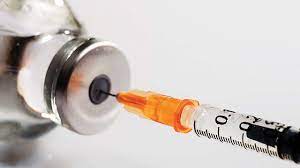
Monoclonal antibodies work by mimicking the immune system’s natural defense mechanisms. The candidate therapy, administered as a single one-hour intravenous (IV) infusion, specifically targets and neutralizes all four known serotypes of the dengue virus (DENV-1 through DENV-4).
[Patient Presents with Early Dengue Symptoms]
                   │
                   ▼
  < Within 72 Hours of Symptom Onset >
                   │
                   ▼
      [Single 1-Hour IV Infusion]
                   │
       ┌───────────┴───────────┐
       ▼                       ▼
[Neutralizes All]       [Aims to Block]
[4 Virus Serotypes]    [Severe Progression]
The trial is designed to evaluate approximately 1,266 participants aged 5 to 99 who test positive for the virus via an NS1 antigen or PCR test. To ensure maximum efficacy, patients must receive the infusion within 72 hours of showing symptoms. Researchers will track recovery speed, safety profiles, and changes in viral load over a 4-month monitoring window, comparing the active antibody against a matching placebo.
Leveraging Cross-Border Networks for Affordable Access
A core element of this global push is the reliance on the Dengue Alliance, a partnership of public health institutions from endemic nations working through “South-South cooperation.” Local implementation will be driven by established regional hubs, including the Ministry of Health in Malaysia and the Faculty of Medicine at Siriraj Hospital, Mahidol University in Thailand.
While advanced biologic treatments like monoclonal antibodies are traditionally expensive to manufacture and distribute, the partnership aims to disrupt this trend. SII—the world’s largest vaccine manufacturer by volume—has committed to establishing an equitable access framework.
“Serum Institute of India is committed to go all out in controlling dengue,” noted Dr. Rajeev Dhere, Senior Scientific Advisor at SII. “We will make all attempts to develop, produce, and distribute the vaccine and monoclonal antibodies all over the globe in an affordable manner.”
Under the finalized licensing agreement, the treatment will be supplied to the public sector in low- and middle-income countries (LMICs) at the lowest sustainable price required to maintain a reliable supply chain.
What This Means for Public Health and Daily Care
For the general public and healthcare consumers, it is vital to note that this clinical trial does not alter immediate medical guidelines for managing dengue today. The trial remains an investigational process, and standard safety precautions remain essential.
Current Clinical Guidelines for Suspected Dengue:
Seek Early Medical Attention: Timely clinical monitoring can keep fatality rates below 1%.
Hydration is Key: Drink plenty of fluids to counter dehydration caused by high fevers.
Medication Safety: Avoid over-the-counter non-steroidal anti-inflammatory drugs (NSAIDs) such as aspirin or ibuprofen. These can worsen bleeding tendencies associated with low platelet counts. Use acetaminophen (paracetamol) for pain and fever control instead.
Prevent Further Mosquito Bites: Infected individuals must sleep under bed nets or use repellent to prevent local mosquitoes from biting them and continuing the cycle of transmission to family members or neighbors.
From a broader public health perspective, the clinical goal extends beyond helping individual patients recover faster. If an early infusion can successfully prevent mild dengue from deteriorating into severe dengue hemorrhagic fever, the downstream impact on hospital infrastructure would be profound. It would significantly ease pressure on intensive care units, alleviate crowding in emergency departments, and reduce emergency demands on local blood banks during seasonal outbreaks.
Navigating the Limitations: A Measured Outlook
While preclinical models and early human trials (Phase I and Phase II) yielded strong safety and efficacy signals, independent medical experts urge cautious optimism. Phase III trials are designed precisely to expose therapeutic candidates to large, diverse populations, and historical pipelines show that early success does not guarantee regulatory approval.
Furthermore, operational and logistical challenges remain substantial. Because the antibody must be delivered intravenously within a strict 72-hour window from symptom onset, its success relies heavily on rapid, accurate diagnostic tools at the community level. If a patient cannot access a clinic, secure a diagnostic test, and receive the infusion within the first three days of falling ill, the clinical window of opportunity closes.
Additionally, maintaining a cold chain for the transport and storage of advanced biologics requires robust logistical infrastructure, which can be difficult to sustain in remote or resource-limited endemic zones.
The Next Milestones
As the trial rolls out across Southeast Asia and Latin America, the medical community will be watching for peer-reviewed data demonstrating definitive reductions in hospital readmission rates, time to clinical recovery, and the prevention of warning signs associated with severe illness. If the data holds up under rigorous scientific scrutiny, this joint effort could mark a historic turning point in the global fight against one of the world’s most pervasive tropical diseases.
Medical Disclaimer
Medical Disclaimer: This article is for informational purposes only and should not be considered medical advice. Always consult with qualified healthcare professionals before making any health-related decisions or changes to your treatment plan. The information presented here is based on current research and expert opinions, which may evolve as new evidence emerges.
References
-
Serum Institute of India & DNDi. (2026). Licensing agreement press announcement regarding Phase III global clinical trials for dengue monoclonal antibody therapeutic.