 0
0
 0
0
NEW DELHI — A massive new analysis of urban health has revealed a burgeoning public health crisis hiding in plain sight. Nearly 39% of adults in urban India may be living with metabolic dysfunction-associated steatotic liver disease (MASLD)—the condition formerly known as non-alcoholic fatty liver disease (NAFLD).
The findings, derived from the comprehensive Phenome India cohort and published in The Lancet Regional Health – Southeast Asia, suggest that the “fatty liver” epidemic has moved from a niche clinical concern to a mainstream threat. Driven by a perfect storm of sedentary lifestyles, high-calorie diets, and rising rates of diabetes, the condition is now estimated to affect one in three urban dwellers, often progressing without a single outward symptom until significant damage has occurred.
A “Silent Epidemic” Across Indian Cities
The study, which screened over 10,000 individuals and focused on 7,764 adults across 27 cities, found an age-adjusted prevalence of 38.9%. However, the burden is not distributed equally. While Thiruvananthapuram reported a lower prevalence of roughly 27%, cities like Bhopal and Roorkee saw rates climb toward 50%.
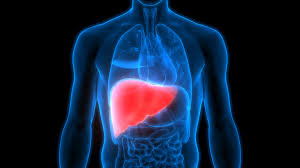
MASLD occurs when the body begins to store excess fat in the liver. Unlike alcohol-related liver disease, MASLD is strictly tied to metabolic “glitches”—specifically obesity, high blood pressure, and Type 2 diabetes.
“We are looking at a silent epidemic,” says Dr. S. K. Sarin, Director of the Institute of Liver and Biliary Sciences (ILBS), who was not involved in the Lancet study but has long advocated for liver health awareness. “Because the liver does not have pain fibers, fat can accumulate for a decade without the patient feeling a thing. By the time they turn yellow or feel fatigue, the disease is often at an advanced stage.”
Beyond the Scales: The “Lean MASLD” Phenomenon
One of the most striking takeaways for the Indian population is that you do not have to be “visibly obese” to be at risk. Indian genetics and body composition often lead to “visibly thin but metabolically fat” profiles, where fat accumulates around internal organs (visceral fat) even if the Body Mass Index (BMI) remains within a seemingly normal range.
Factors contributing to this urban surge include:
-
Sedentary Work Culture: Long hours of sitting coupled with high mental stress.
-
Dietary Shifts: Increased consumption of ultra-processed foods and sugary beverages.
-
Lack of Functional Exercise: Urban environments that often prioritize vehicle transport over walking.
A National Priority: The 2024 Guidelines
Recognizing the gravity of the situation, the Union Health Ministry recently released revised Operational Guidelines for NAFLD/MASLD in 2024. India holds the distinction of being the first country in the world to integrate fatty liver disease into its National Programme for Prevention and Control of Non-Communicable Diseases (NCDs).
The government’s strategy shifts the focus from high-end specialty hospitals to primary health centers. The goal is early detection through routine screenings of high-risk individuals—specifically those with existing metabolic markers:
-
Type 2 Diabetes
-
High Triglycerides
-
Central Obesity (waist circumference)
-
Hypertension
The Path to Progression: Why It Matters
For most, a “fatty liver” sounds like a minor lifestyle quirk. However, for a significant percentage of the population, simple fat (steatosis) can lead to inflammation and scarring, known as fibrosis.
If left unchecked, MASLD can progress to:
-
Cirrhosis: Permanent scarring that impairs liver function.
-
Liver Cancer (HCC): MASLD is becoming a leading cause of primary liver cancer globally.
-
Cardiovascular Disease: Surprisingly, the leading cause of death for people with MASLD isn’t liver failure—it’s heart disease. The liver acts as a metabolic hub; when it malfunctions, the entire cardiovascular system is put under strain.
Understanding the Data: Limitations and Terminology
While the Lancet study is one of the most robust to date, researchers caution that “one in three” is an estimate based on urban sampling. The prevalence in rural India may differ significantly due to variations in diet and physical labor.
Furthermore, the medical community is currently transitioning in its terminology. While many still use the term NAFLD, the global standard has shifted to MASLD to remove the stigma associated with the word “alcoholic” and to focus more accurately on the metabolic causes of the disease.
Diagnosis methods also vary. Some studies use simple ultrasound, while others use “FibroScan” (which measures liver stiffness) or blood-based biomarkers. Readers should view these percentages as a “weather vane” for public health rather than a definitive diagnosis for every individual.
Taking Control: Prevention and Reversal
The most empowering aspect of MASLD is that, in its early stages, it is highly reversible. Unlike many chronic conditions, the liver has a remarkable capacity to regenerate if the underlying metabolic stress is removed.
Practical Steps for Urban Residents:
-
Weight Management: Losing just 5% to 10% of body weight can significantly reduce liver fat and inflammation.
-
The 30-Minute Rule: Engaging in moderate aerobic exercise for 30 minutes daily improves insulin sensitivity, helping the liver process fat.
-
Dietary Edits: Reducing “liquid sugar” (sodas and sweetened juices) is one of the fastest ways to lower liver fat.
-
Screening: If you have Type 2 diabetes or a family history of heart disease, ask your doctor for a liver function test (LFT) or an ultrasound as part of your annual checkup.
“The goal is not to cause panic,” says public health experts. “The goal is to shift from ‘sick care’ to ‘well care.’ By paying attention to our metabolic health today, we avoid the transplant lists of tomorrow.”
Medical Disclaimer
Medical Disclaimer: This article is for informational purposes only and should not be considered medical advice. Always consult with qualified healthcare professionals before making any health-related decisions or changes to your treatment plan. The information presented here is based on current research and expert opinions, which may evolve as new evidence emerges.
References
- https://health.economictimes.indiatimes.com/news/industry/one-in-three-urban-indians-at-risk-of-fatty-liver-disease-health-experts-warn-of-growing-concern/130350380?utm_source=top_story&utm_medium=homepage