 0
0
 0
0
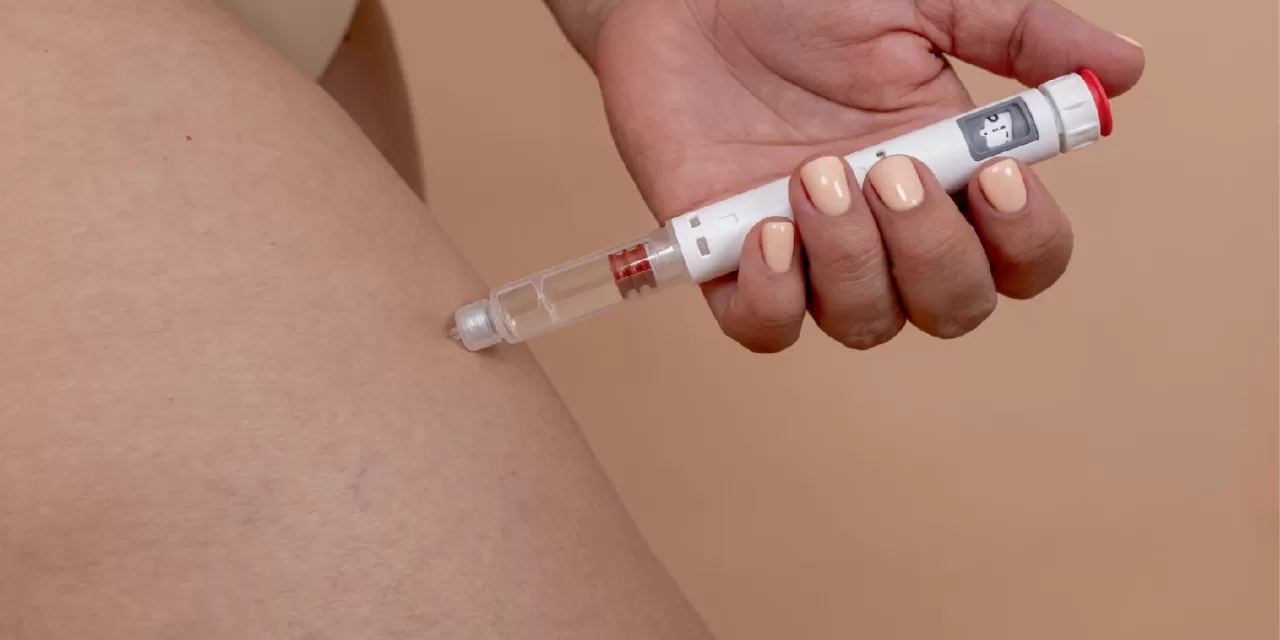
NEW DELHI — India’s top drug regulator has issued a stern warning to pharmaceutical companies and digital marketers over the promotion of GLP-1 receptor agonists, a class of highly effective but strictly regulated weight-loss and diabetes medications. In an advisory issued on March 10, 2026, the Central Drugs Standard Control Organisation (CDSCO) flagged that “surrogate” advertising—including influencer-led social media campaigns and branded “disease awareness” programs—often amounts to misleading promotion. The regulator’s move follows a global surge in demand for drugs like semaglutide and tirzepatide, aiming to curb unsafe self-medication and protect consumers from exaggerated therapeutic claims.
A Shield Against “Surrogate” Marketing
The CDSCO directive addresses a growing trend where pharmaceutical manufacturers and importers use indirect methods to bypass India’s strict ban on advertising prescription-only (Schedule H and H1) drugs. The agency warned that any campaign—even those framed as public health education—will be treated as a violation if it creates brand recall, suggests “guaranteed” weight loss, or downplays the necessity of diet and exercise.
“The advisory is a clear signal that the ‘gray area’ of disease awareness is narrowing,” says Dr. Arun Gupta, a public health policy analyst not involved in the regulatory drafting. “When an Instagram influencer or a branded website suggests that a clinical condition like obesity can be solved with a specific injection without mentioning the risks, it crosses the line from education into inducement.”
According to the Press Information Bureau (PIB), the CDSCO has already scaled up enforcement, conducting audits at 49 entities including online pharmacies, wellness clinics, and wholesalers. These inspections revealed significant irregularities in how these drugs are distributed and marketed to the public.
The Science and the Surge: Why GLP-1s are in Focus
Glucagon-like peptide-1 (GLP-1) receptor agonists were originally designed to treat Type 2 diabetes by mimicking a hormone that regulates insulin and appetite. However, their profound impact on weight loss has turned them into a global phenomenon.
A 2024 review published in PubMed Central highlights the clinical efficacy that has fueled this frenzy:
-
Liraglutide: ~5% placebo-corrected weight loss.
-
Semaglutide: ~12% placebo-corrected weight loss.
-
Tirzepatide: ~18% placebo-corrected weight loss in late-stage trials.
While these numbers are impressive, medical experts warn that the benefits are not without “fine print.” The same review notes that gastrointestinal side effects—including nausea, vomiting, and diarrhea—affect up to half of all patients, particularly during the dose-escalation phase. More concerning are rare but serious risks such as acute pancreatitis, gallbladder disorders, and potential links to thyroid C-cell tumors.
Global Context: WHO Weighs In
The Indian crackdown aligns with a broader international movement to formalize the use of these “blockbuster” drugs. In late 2025, the World Health Organization (WHO) released its first-ever global guideline for GLP-1 therapies in obesity management.
The WHO recognized obesity as a chronic, relapsing disease affecting over 1 billion people, contributing to 3.7 million deaths in 2024 alone. While the WHO conditionally recommended GLP-1s for long-term treatment, it emphasized three critical pillars:
-
Comprehensive Care: Medication must be paired with a healthy diet and physical activity.
-
Medical Supervision: Therapy should be part of a structured, person-centered care model.
-
Equity and Access: High costs currently limit these drugs to fewer than 10% of those who need them globally.
“These are brilliant molecules, but they are not a replacement for lifestyle,” Dr. Peter Schwarz, President of the International Diabetes Federation, noted in a recent health forum. “From a public health perspective, relying solely on expensive medication without addressing physical activity is not sustainable.”
Navigating the Hype: What This Means for You
For the average consumer, the CDSCO’s tighter watch serves as a protective barrier against predatory marketing. In India, GLP-1 drugs are legally approved for prescription only by specific specialists, including endocrinologists, internal medicine specialists, and cardiologists.
If you are considering these treatments, keep the following in mind:
-
Avoid “On-Demand” Platforms: Any website or clinic offering these drugs without a thorough medical consultation is likely operating outside regulatory safety norms.
-
Question “Miracle” Claims: Medical science does not support “effortless” weight loss. If an ad suggests you can lose 10kg in a month without changing your habits, it is a red flag for misleading promotion.
-
Monitor Your Health: Because these drugs slow gastric emptying, they can affect how other medications (like oral contraceptives) are absorbed. Clinical oversight is essential to manage these interactions.
The Balancing Act: Innovation vs. Safety
The regulatory challenge lies in preventing misuse without blocking access for patients who truly need medical intervention. “The goal isn’t to demonize the drug,” says a spokesperson for a leading Indian medical association. “It’s to ensure that the person taking it is doing so under a doctor’s watch, aware of the risks to their gallbladder and pancreas, and not just trying to fit into a dress for a wedding.”
As India moves toward stricter digital advertising rules, the “Bottom Line” for the public is clear: GLP-1 receptor agonists are a medical breakthrough for chronic disease management, not a consumer wellness shortcut.
Medical Disclaimer: This article is for informational purposes only and should not be considered medical advice. Always consult with qualified healthcare professionals before making any health-related decisions or changes to your treatment plan. The information presented here is based on current research and expert opinions, which may evolve as new evidence emerges.
References
- https://medicaldialogues.in/news/industry/pharma/cdsco/no-ads-for-prescription-drugs-panel-flags-surrogate-advertising-misleading-promotions-of-glp-1-obesity-drugs-168927