 0
0
 0
0
GENEVA — In a historic shift for global public health policy, the Seventy-Ninth World Health Assembly (WHA) officially approved a landmark resolution today recognizing steatotic liver disease (SLD) as a major and rapidly growing contributor to the global burden of noncommunicable diseases (NCDs). The decision, passed by delegates representing Member States on May 21, 2026, marks the first time this long-neglected family of liver conditions has been formally integrated into the global public health framework.
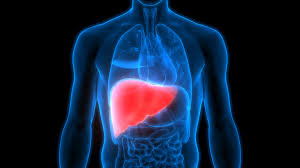
The resolution signals an urgent wake-up call to healthcare systems worldwide. SLD, formerly known by the umbrella term “fatty liver disease,” is estimated to affect 1.7 billion people—roughly 40% of the world’s adult population. Public health experts warn that without coordinated intervention, the condition is on track to become the leading cause of chronic liver disease, escalating healthcare costs and placing immense structural strain on hospitals and primary care clinics globally.
Shifting From a Hidden Ailment to a Policy Priority
For the past several decades, international liver health initiatives focused primarily on the eradication of viral hepatitis, achieving substantial success through curative therapies and global vaccination strategies. However, as hepatitis deaths began to plateau, a much broader epidemic quietly emerged. Driven by surging global rates of obesity, type 2 diabetes, and high blood pressure, fat accumulation in liver tissue has escalated from an incidental clinical finding to a worldwide crisis.
The text of the newly passed WHA resolution explicitly requires member countries to:
-
Integrate SLD into existing national NCD prevention and monitoring strategies.
-
Strengthen primary healthcare systems to catch liver risk factors decades before advanced organ damage occurs.
-
Launch public awareness campaigns to overcome low baseline health literacy regarding liver function.
-
Address shared lifestyle risk factors through multisectoral policies targeting highly processed foods, sedentary environments, and the harmful use of alcohol.
Importantly, the resolution mandates that the World Health Organization (WHO) provide tailored technical support to requesting countries and deliver a progress report every two years.
Understanding the Name Change and Disease Progression
The medical community’s recent transition from the term “fatty liver disease” to steatotic liver disease (SLD) was intentionally designed to remove stigma and improve clinical accuracy. Under this umbrella, the most prevalent subcategory is metabolic dysfunction-associated steatotic liver disease (MASLD), which occurs when fat accumulates in the liver alongside at least one metabolic cardiovascular risk factor, such as insulin resistance or high triglycerides.
The graphic below details how early-stage fat accumulation can gradually deteriorate into life-threatening conditions if left unmanaged.
When excess fat accumulates in liver cells, it can trigger steatohepatitis—a state of chronic cellular inflammation and tissue injury. Over time, this persistent inflammation forces the body to deposit scar tissue in a process called fibrosis. If unchecked, severe scarring results in cirrhosis, which permanently disrupts liver function. Ultimately, cirrhosis can cause total liver failure or give rise to hepatocellular carcinoma (liver cancer), frequently leaving organ transplantation as a patient’s sole survival option.
Structural Blind Spots: Why Liver Disease Creeps Up Undetected
The fundamental danger of SLD lies in its silent nature; the liver has no pain receptors, meaning a patient can live with progressing fibrosis for decades without a single noticeable symptom.
“The current medical infrastructure is optimized for late-stage rescue care rather than early upstream prevention,” says Dr. Debbie Shawcross, Secretary General of the European Association for the Study of the Liver (EASL), who was not involved in drafting the resolution.
“For too long, health systems have treated interconnected metabolic conditions in silos. A cardiologist manages blood pressure, an endocrinologist manages blood sugar, but the liver—which sits at the literal crossroads of metabolic health—falls entirely through the cracks. Most patients are only diagnosed with advanced fibrosis or cirrhosis when they show up in an emergency room with severe complications.”
A prominent study published in Internal and Emergency Medicine (2025) tracked global burden data and confirmed that age-standardized prevalence rates for liver disease have climbed by more than 24% over the last three decades, with the sharpest rises observed in North Africa, the Middle East, and parts of Latin America. Furthermore, epidemiological data from the Institute for Health Metrics and Evaluation (IHME) projects that direct medical costs attributable to metabolic liver conditions will reach tens of billions of dollars annually by the 2030s, driven overwhelmingly by late-stage hospitalizations and complex transplant operations.
Public Health Challenges and Potential Counterarguments
Despite overwhelming consensus that action is necessary, implementing the WHA resolution faces stark practical and socioeconomic hurdles. Chief among these is the debate over diagnostic protocols.
While some hepatologists advocate for universal screening using simple, automated blood-based biomarkers—such as calculating a FIB-4 score (a routine formula utilizing a patient’s age, enzyme levels, and platelet count)—many primary care physicians express reservations. They argue that widespread testing of 1.7 billion people could overwhelm primary care providers, trigger diagnostic confusion, and generate unnecessary psychological distress for millions of patients with mild, slow-progressing conditions that may never lead to health complications.
Additionally, critics point out that the clinical pipeline for treating advanced stages of the disease remains limited. While the pharmaceutical market has recently seen the approval of initial therapies targeted at reversing liver inflammation, lifestyle modification remains the undisputed foundation of treatment. Implementing structural policies like sugar taxes, strict advertising regulations on ultra-processed products, and urban redesigns to foster physical activity face intense commercial and political pushback from private industries.
What This Means for Individual Health Decisions
For health-conscious consumers and healthcare providers alike, the immediate take-home message of the WHA resolution is to actively evaluate metabolic liver risk well before symptoms appear. Rather than assuming a routine physical covers all aspects of organ health, individuals living with obesity, type 2 diabetes, elevated cholesterol, or high blood pressure should engage their primary care team about their liver health.
Clinically proven strategies to prevent or reverse early-stage steatotic liver disease focus primarily on holistic lifestyle modifications:
-
Adopting a Nutrient-Dense Diet: Shifting toward a Mediterranean-style dietary pattern rich in leafy green vegetables, whole grains, lean proteins, and healthy monounsaturated fats while minimizing simple sugars and high-fructose corn syrup.
-
Engaging in Regular Physical Activity: Striving for at least 150 minutes of moderate-intensity aerobic exercise per week combined with resistance training, which naturally decreases liver fat even in the absence of total weight loss.
-
Managing Alcohol Intake: Recognizing that alcohol-associated liver injuries can heavily overlap with metabolic dysfunction, compounding total damage to liver tissue.
By elevating steatotic liver disease to the same level of global priority as heart disease and diabetes, public health officials hope to fundamentally restructure clinical care—shifting focus from managing end-stage organ failure to protecting liver function early in life.
Reference Section
-
World Health Organization (WHO): Seventy-Ninth World Health Assembly Daily Update, Note for Media (Geneva, 21 May 2026).
Medical Disclaimer: This article is for informational purposes only and should not be considered medical advice. Always consult with qualified healthcare professionals before making any health-related decisions or changes to your treatment plan. The information presented here is based on current research and expert opinions, which may evolve as new evidence emerges.