 0
0
 0
0
GENEVA — In a historic move to address critical disparities in global medicine, Member States at the 79th World Health Assembly (WHA) officially endorsed a sweeping resolution to combat the diagnosis and treatment gaps impacting millions of individuals living with haemophilia and other inherited bleeding disorders. The resolution, passed during the Assembly’s high-level session on May 21, 2026, marks the first time in nearly two decades that rare coagulation (blood-clotting) conditions have received comprehensive, unified recognition on the global policy stage.
The Hidden Crisis: Millions Face Prolonged Bleeding Without a Diagnosis
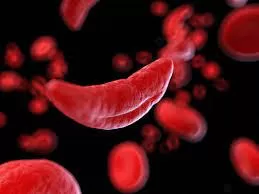
Haemophilia, von Willebrand Disease (VWD), and other rare clotting factor deficiencies are genetic disorders that impair the body’s natural ability to form a blood clot. For an unaffected individual, specialized blood proteins known as clotting factors work together like a falling row of dominoes to plug a wound. For individuals with bleeding disorders, a missing or defective factor breaks this chain, resulting in prolonged bleeding after injuries, surgeries, or dental procedures. In severe cases, spontaneous internal bleeding occurs into muscles and joints, often without any identifiable trauma.
The core driver behind the new WHA resolution is a staggering global diagnostic gap: epidemiologists estimate that nearly 70% to 75% of individuals living with haemophilia worldwide remain completely undiagnosed. Without a formal clinical evaluation, these individuals face high risks of chronic joint damage, debilitating physical disability, or life-threatening internal bleeding episodes.
A Policy Shift to Close the Care Gap
The newly endorsed resolution represents a concrete step toward closing a long-standing health equity gap for a patient population that has traditionally been marginalized in national healthcare budgets. Through this agreement, international governments have formally pledged to build stronger clinical frameworks designed to find, diagnose, and protect these individuals.
Key mandates established within the World Health Assembly framework include:
-
National Policy Integration: Countries have committed to integrating inherited bleeding disorder management directly into their pre-existing frameworks for non-communicable diseases (NCDs), primary healthcare systems, and maternal health programs.
-
Diagnostic Upgrades: Member States will invest in national laboratory capacities, ensuring that localized clinics can perform accurate factor assays (specialized blood tests that measure clotting levels) and provide timely referrals to specialized hematology centers.
-
Essential Medicines Update: The resolution explicitly encourages governments to add advanced, life-saving therapies—including traditional plasma-derived factor concentrates and modern non-factor therapies—to their national Essential Medicines Lists.
-
Stigma and Awareness: Nations are urged to establish robust data tracking systems and launch public awareness campaigns to eliminate cultural stigma and educate primary care providers on early symptoms.
Expert Perspectives: From Policy to Patient Impact
Medical professionals working on the front lines of hematology have expressed cautious optimism regarding the resolution, noting that structural changes are urgently needed to transition from emergency care to preventive care.
“In many regions of the world, a child born with severe haemophilia faces an incredibly painful childhood and a significantly shortened lifespan simply because localized clinics lack the reagents to test their blood,” explained Dr. Elena Vance, a pediatric hematologist at the Euro-Mediterranean Medical Centre, who was not involved in drafting the resolution.
“By incorporating bleeding disorders into primary health and maternal care, we create a safety net that can catch these cases early. Prophylaxis—the regular, preventive administration of clotting therapies—can prevent joint destruction entirely, allowing these individuals to live highly active, normal lives.”
Advocacy groups have also pointed out that the resolution’s explicit focus on maternal health is a massive victory for women and girls, who have historically faced extensive delays in diagnosis. Conditions like von Willebrand Disease frequently manifest as severe, unexplained postpartum hemorrhaging or heavy menstrual bleeding, which are often dismissed by providers due to a lack of specialized training.
Balancing Innovation and Economic Realities
While the resolution marks a massive political victory, public health experts acknowledge that implementation will face substantial hurdles, particularly regarding the economic cost of modern pharmaceuticals.
Traditional treatment requires frequent intravenous infusions of clotting factor concentrates. However, the medical landscape has evolved rapidly. Newer non-factor therapies, such as lab-made mimicking proteins (e.g., emicizumab), can be administered subcutaneously (just under the skin) once a week or even once a month, radically lowering the logistical burden on patients. Furthermore, emerging gene therapies offer the potential for a long-term cure by introducing functional genetic code into the body to enable independent factor production.
The central challenge lies in cost and distribution. Modern non-factor and gene therapies carry exceptionally high price tags, making them largely inaccessible to healthcare budgets in low- and middle-income nations. Some health economists argue that without international price-negotiation frameworks or manufacturing subsidies, the resolution’s call to include these therapies on national Essential Medicines Lists may remain a financial impossibility for developing nations.
Additionally, tracking rare diseases requires sophisticated national registries. In nations currently managing concurrent public health emergencies—such as the recent infectious outbreaks in Central Africa—allocating scarce resources to build rare-disease registries will require intense political will and sustained international co-investment.
What This Means for Families and Everyday Health Decisions
For health-conscious consumers and families, the global focus on bleeding disorders serves as a vital reminder to monitor for subtle, unexplained symptoms. Healthcare providers advise individuals to seek a clinical evaluation if they or their children experience the following warning signs:
-
Frequent, prolonged nosebleeds that take more than 10 minutes to stop.
-
Easy, extensive bruising from minor bumps, or bruises that feel raised and lumpy.
-
Prolonged or abnormal bleeding following minor cuts, dental extractions, or vaccinations.
-
Unexplained, painful swelling or stiffness in joints (such as knees, elbows, or ankles), which may indicate internal bleeding.
An accurate diagnosis is the essential gateway to safe medical care. Knowing a child or adult has a mild or severe bleeding disorder allows families to make proactive lifestyle adjustments—such as choosing low-impact sports like swimming over contact sports—and ensures that surgical teams can prepare appropriate clotting coverage before any medical procedure.
Summary of Global Bleeding Disorder Statistics
The scope of the challenges addressed by the World Health Assembly is underscored by data compiled by international monitoring bodies:
| Statistic / Metric | Current Global Estimate | Impact & Public Health Significance |
| Undiagnosed Population | Nearly 70% to 75% globally | Leads to preventable joint damage, severe disability, or fatal hemorrhages due to lack of standard care. |
| Primary Treatment Need | Routine preventive prophylaxis | Regular administration of clotting factors or non-factor therapies prevents spontaneous bleeds. |
| Gender Disparities | Delays often exceed several years for women | Lack of clinician awareness means heavy menstrual or postpartum bleeding is frequently misattributed. |
| Primary Global Theme (2026) | “Diagnosis: First step to care” | World Federation of Hemophilia focus aligns with the newly passed WHA resolution mandates. |
As Member States begin the work of translating this international text into domestic policy, the global health community will be watching closely to see if political commitments turn into tangible medical access for the millions still waiting in the shadows of an undiagnosed illness.
Reference Section
-
World Health Organization (WHO): Note for Media, Seventy-ninth World Health Assembly – Daily update: 21 May 2026. Geneva, Switzerland.
Medical Disclaimer: This article is for informational purposes only and should not be considered medical advice. Always consult with qualified healthcare professionals before making any health-related decisions or changes to your treatment plan. The information presented here is based on current research and expert opinions, which may evolve as new evidence emerges.