 0
0
 0
0
In a landmark analysis that underscores a deepening health divide in the United States, researchers have found that while national cancer mortality rates have plummeted since the early 1990s, these life-saving gains are increasingly concentrated in wealthy, urban hubs. The study, published in the British Journal of Cancer in April 2026, reveals that millions of Americans living in rural and low-income counties have been left behind by the modern “cancer revolution.” By analyzing over 23 million death certificates spanning four decades, the research team highlights a sobering reality: in the fight against cancer, your zip code may be as important as your genetic code.
A Tale of Two Americas
Since the national cancer death rate peaked in 1991, the United States has seen a sustained decline in mortality, averting an estimated 2.6 million deaths through 2016 alone. However, this success story is not being written equally across the map.
The study, led by researchers at Mississippi State University’s Social Science Research Center and Oak Ridge National Laboratory, analyzed data from nearly 3,000 U.S. counties between 1981 and 2019. The findings indicate that by 2019, the top 10% of highest-income counties saw mortality drops roughly seven times greater than the bottom 10% of lowest-income counties.
The disparity is most visible when comparing major metropolitan centers to the rural interior. In Manhattan, for example, the lung cancer death rate dropped by a staggering 60%—falling from 49 to 19.6 per 100,000 people. Meanwhile, in many smaller cities and rural Appalachian and Delta regions, rates have remained stagnant or, in 566 specific counties, are actually higher today than they were in 1981.
The Engines of Progress
The overall 27% drop in national cancer mortality is the result of what experts call a “triple threat” of public health victories:
-
Tobacco Control: Aggressive public health campaigns, increased cigarette taxes, and smoke-free laws led to a massive decline in smoking, which historically drove the majority of lung cancer deaths.
-
Early Detection: Widespread adoption of screenings for breast, colorectal, and cervical cancers allowed doctors to catch malignancies at highly treatable stages.
-
Innovative Therapeutics: The advent of targeted therapies and immunotherapy has transformed previously terminal diagnoses into manageable chronic conditions for many patients.
“Place can make a huge difference in health outcomes,” says Arthur G. Cosby, Giles Distinguished Professor Emeritus at Mississippi State and the study’s lead author. “The large urban centers… consistently had among the highest rates of cancer improvement. Yet, many Americans are not sharing this important improvement.”
Why the Gap is Widening
The paradox of medical advancement is that it often creates new inequities. When a new screening tool or expensive drug is released, it is typically first available at major academic medical centers in affluent cities.
“Whenever there is an improvement in treatment or screening for cancer, disparities are created,” explains Dr. Otis Brawley, a professor of oncology at Johns Hopkins University who was not involved in the study. Dr. Brawley points to the 1970s, when breast cancer mortality was relatively equal between Black and white women. As screening and treatment improved, the mortality gap widened because access to those advancements was not equitable.
Rural residents currently face a 9.6% higher risk of dying from cancer than their urban counterparts. This “rural penalty” is driven by several structural factors:
-
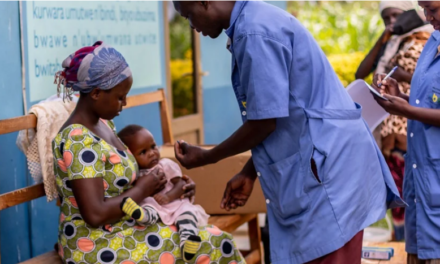
Provider Shortages: A lack of oncologists and specialists in rural areas requires patients to travel hundreds of miles for treatment.
-
Late-Stage Diagnosis: Due to limited access to screening facilities, rural patients are often diagnosed when the cancer has already metastasized.
-
Economic Barriers: Lower insurance coverage rates and the high cost of new “miracle” drugs prevent low-income populations from accessing the latest standard of care.
Preventable Deaths and Public Health
Rebecca L. Siegel, Strategic Director of Surveillance at the American Cancer Society, notes that the socioeconomic gap is widest for cancers that are most preventable. Cervical cancer mortality, for instance, is twice as high in poor counties compared to affluent ones.
The implications are profound for public health policy. Experts suggest that if the current “best practices” in prevention and treatment were applied equally to all Americans, regardless of their income or location, approximately 22% to 23% of all cancer deaths could be avoided.
Comparison of Mortality Trends: Urban vs. Rural
| Category | Urban/Affluent Counties | Rural/Low-Income Counties |
| Lung Cancer Change | ~60% Decrease (e.g., Manhattan) | Minimal change or increase |
| Overall Decline | Significant (7x faster) | Stagnant/Lagging |
| Access to Specialists | High | Low (Travel required) |
| Screening Adoption | High (Early detection) | Low (Late-stage diagnosis) |
Limitations of the Research
While the study provides a comprehensive look at the “where” of cancer deaths, it does have limitations. It relies on death certificate data, which can sometimes be inaccurate in under-resourced areas where diagnostic tools are lacking. This could mean that cancer deaths in rural areas are actually higher than recorded.
Furthermore, aggregate county data can mask “pockets of poverty” within wealthy cities. A resident of an impoverished neighborhood in a major city may face the same barriers as someone in a rural county, despite living miles away from a world-class hospital.
Closing the Divide
To bridge this gap, the study’s authors and independent experts advocate for a shift in how the U.S. delivers healthcare. This includes:
-
Expanding Telehealth: Using broadband infrastructure to bring specialist consultations to rural clinics.
-
Mobile Screening Units: Deploying “mammogram buses” and mobile lung cancer screening vans to reach underserved populations.
-
Community Health Workers: Utilizing local liaisons to help patients navigate the complex healthcare system and overcome cultural resistance to interventions like the HPV vaccine.
For the individual reader, the takeaway is clear: while national statistics are improving, personal vigilance remains vital. Regular check-ups, tobacco cessation, and staying informed about screening guidelines are the most effective tools for reducing risk, especially in areas where the healthcare system is spread thin.
References
- https://medicalxpress.com/news/2026-04-shifts-cancer-mortality-historic.html
Medical Disclaimer: This article is for informational purposes only and should not be considered medical advice. Always consult with qualified healthcare professionals before making any health-related decisions or changes to your treatment plan. The information presented here is based on current research and expert opinions, which may evolve as new evidence emerges.