 0
0
 0
0
NEW DELHI — Indian liver specialists are issuing an urgent warning as a rising number of young adults present with significant liver dysfunction linked to the heavy consumption of energy drinks. This clinical trend, highlighted during observations around World Liver Day (April 18–19, 2026), suggests that the popular “quick-fix” beverages may be fueling a burgeoning public health crisis among Indians in their 20s and 30s.
While caffeine has long been the primary focus of energy drink safety, hepatologists (liver specialists) emphasize that the danger lies in a “perfect storm” of ingredients. The high concentrations of sugar, herbal stimulants, and additives—often consumed in the context of poor sleep and sedentary lifestyles—are placing an unprecedented metabolic burden on the livers of young consumers.
A Shift in Demographics: “20 is the New 40”
Historically, advanced liver disease was viewed as a condition affecting middle-aged or older adults, often following decades of alcohol use or chronic viral hepatitis. That profile is changing rapidly in urban India.
“We are increasingly seeing patients in their 20s and 30s with signs of fatty liver disease and liver dysfunction,” says Dr. Neerav Goyal, president-elect of the Liver Transplantation Society of India. He describes this shift as a fundamental change in the age group typically affected by hepatic complications.
According to Dr. Abhideep Chaudhary, president of the Liver Transplantation Society of India, the modern lifestyle’s “triple threat”—energy drinks, alcohol, and high-sugar beverages—is a primary contributor to this trend. Dr. Chaudhary warns that if these habits are not curtailed, the resulting advanced liver injury could eventually lead to a need for liver transplantation in a population that should be in its physical prime.
Why the Liver is Under Siege
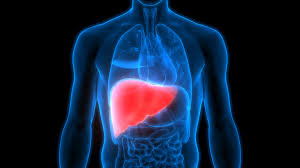
The liver serves as the body’s primary chemical processing plant. When a person consumes an energy drink, the organ must metabolize not just caffeine, but a complex cocktail of taurine, glucuronolactone, B vitamins, and massive “loads” of sugar.
The Sugar-Fat Connection
Many energy drinks contain sugar levels that exceed recommended daily limits in a single serving. Excess glucose and fructose are converted by the liver into fat. Over time, this leads to Non-Alcoholic Fatty Liver Disease (NAFLD), where fat accumulation causes inflammation and scarring (fibrosis).
Oxidative Stress
Medical experts note that the combination of stimulants and synthetic additives can induce oxidative stress. This process damages liver cells (hepatocytes), hindering the organ’s ability to detoxify the blood and regulate metabolism.
The “Wide-Awake Drunk” Risk
A particularly hazardous trend among young Indians is mixing energy drinks with alcohol. Doctors warn that the high caffeine content masks the natural sedating effects of alcohol.
-
The Result: Individuals feel more alert than they actually are, leading to higher alcohol consumption and increased “binge” behavior.
-
The Impact: This subjects the liver to a dual onslaught of ethanol toxicity and stimulant-induced metabolic stress.
What the Research Tells Us
While large-scale randomized controlled trials on energy drinks are limited due to ethical constraints, clinical evidence is mounting through observational data and case studies.
A landmark report published in BMJ Case Reports documented a case of acute hepatitis in a previously healthy individual following excessive energy drink consumption. Interestingly, the researchers pointed to niacin (Vitamin B3) as a potential culprit. While niacin is a necessary nutrient, the high doses found in some energy drinks can be hepatotoxic (toxic to the liver). The authors noted that while the patient’s intake was below traditional toxicity thresholds, the cumulative effect of daily consumption created a “tipping point” for liver failure.
The Indian Context
The rise of energy drinks is particularly concerning because the Indian population already faces a high baseline risk of liver issues.
-
A recent review of medical literature indicates a pooled prevalence of NAFLD in India at 32.74%.
-
In specific urban hubs like Chennai, studies have found NAFLD in up to 61.5% of sampled adults.
Experts argue that energy drinks are not necessarily creating a new problem, but are “throwing fuel on the fire” of an existing epidemic of metabolic syndrome and fatty liver in India.
Limitations and Counterarguments
It is important to maintain perspective: an occasional energy drink is unlikely to cause sudden liver failure in a healthy individual. Most reported cases of severe injury involve “heavy” or “chronic” use—often multiple cans per day over weeks or months.
Furthermore, liver disease is multifactorial. Critics of a singular “energy drink alarm” point out that many affected young people also deal with:
-
Obesity and high Body Mass Index (BMI).
-
Sedentary professional lives (long hours at desks).
-
Underlying pre-diabetic conditions.
The current clinical consensus is not that energy drinks are the sole cause, but that they act as a significant, avoidable catalyst for liver damage in a vulnerable population.
Practical Advice for Consumers
How can health-conscious individuals navigate this? Experts suggest a move toward “label literacy” and moderation.
-
Know the Limits: While moderate caffeine intake (up to 400 mg per day for healthy adults) is generally considered safe, energy drinks often contain “proprietary blends” that make exact dosing difficult to track.
-
Avoid the “Fatigue Trap”: If you are using energy drinks to compensate for chronic exhaustion, you may be masking a thyroid issue, sleep apnea, or clinical burnout. Addressing the root cause is safer than escalating stimulant use.
-
Recognize the Signs: Early liver dysfunction is often silent. However, consult a doctor if you experience:
-
Unexplained, persistent fatigue.
-
Jaundice (yellowing of the eyes or skin).
-
Dark-colored urine.
-
Pain or swelling in the upper right abdomen.
-
A Public Health Imperative
As energy drinks are marketed aggressively toward students and young professionals as tools for productivity, public health advocates are calling for a shift in strategy.
“Prevention must go beyond individual advice,” notes recent public health literature. Potential measures include clearer warning labels regarding liver health, stricter regulations on marketing to minors, and increased screening for fatty liver during routine check-ups for young adults.
In the high-pressure environments of India’s burgeoning cities, the message from liver specialists is clear: the energy you get from a can may be temporary, but the damage to your liver could be permanent.
References
- https://indiatribune.com/public/indias-youth-suffering-from-liver-damage-linked-to-heavy-energy-drink-consumption-experts
-
Medical Disclaimer: This article is for informational purposes only and should not be considered medical advice. Always consult with qualified healthcare professionals before making any health-related decisions or changes to your treatment plan. The information presented here is based on current research and expert opinions, which may evolve as new evidence emerges.