 0
0
 0
0
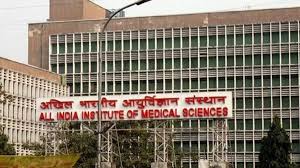
NEW DELHI — In a renewed effort to address the “brain drain” of India’s most elite medical talent, a high-level parliamentary panel has revived a long-standing debate over how to retain graduates from the All India Institute of Medical Sciences (AIIMS). Rather than mandating the controversial compulsory service bonds used by many state governments, the panel is now floating a “tracking mechanism” to monitor where AIIMS New Delhi graduates go after completing their taxpayer-funded education.
The shift in strategy highlights a critical challenge for the Indian healthcare system: how to ensure that the massive public investment in specialist medical training translates into care for the Indian public, without infringing on the professional mobility of the country’s brightest doctors.
The Migration Reality: Why AIIMS is the Focal Point
AIIMS New Delhi is widely regarded as the crown jewel of Indian medical education. However, its success as an academic powerhouse has historically been shadowed by high rates of emigration.
Data from a landmark retrospective cohort study published in the Bulletin of the World Health Organization revealed the scale of this exodus. Examining graduates from 1989 to 2000, researchers found that 54% of AIIMS alumni were residing outside of India. The study also noted a “merit drain,” where students who received multiple academic awards were significantly more likely to emigrate than their peers.
“AIIMS isn’t just a hospital; it’s a pipeline for the nation’s specialist talent,” says Dr. Arindam Das, a public health policy consultant not affiliated with the current panel. “When a specialist leaves, we don’t just lose a doctor; we lose a potential teacher, a researcher, and a provider of complex care that can’t be easily replaced in the public sector.”
Tracking vs. Compulsion: A Policy Shift
For years, the go-to solution for doctor shortages in India has been the “service bond”—a legal agreement requiring medical students to work in public or rural health facilities for a set period or pay a heavy financial penalty.
The parliamentary panel’s pivot toward a tracking mechanism represents a more data-driven, less punitive approach. Instead of forced service, the goal is to create a robust database to understand career trajectories. Proponents argue this will provide the granular data needed to identify why doctors leave, rather than just preventing them from doing so.
The Argument for Bonds
Supporters of compulsory service argue that the Indian public subsidizes medical education at AIIMS to the tune of lakhs of rupees per student. They contend that:
-
Publicly funded education should yield public service.
-
Bonds provide an immediate, predictable supply of specialists for understaffed public hospitals.
-
Legal requirements ensure that elite talent serves the domestic population before seeking lucrative international markets.
The Argument for Incentives
Critics, however, argue that bonds are a “stale proposition” that fails to address the root causes of migration. A 2010 report by the Parliamentary Standing Committee on Health and Family Welfare previously noted that similar measures had seen mixed success across various states.
“Retention is not just about a contract; it’s about the environment,” explains Dr. Meenakshi Sharma, a former medical educator. “If a graduate faces poor infrastructure, low pay, and a lack of research opportunities at home, a bond only delays their departure. It doesn’t inspire a career in public service.”
Public Health Implications: The Patient’s Perspective
For the average patient visiting a government hospital, this policy debate has real-world consequences. India has historically grappled with significant workforce shortages. While recent years have seen an increase in medical seats, the gap remains wide.
| Health Professional | Estimated Shortfall (Historical Context) |
| Doctors | 600,000 |
| Nurses | 1,000,000 |
| Dental Surgeons | 200,000 |
Source: Historical Planning Commission estimates cited in parliamentary discussions.
When AIIMS-trained specialists emigrate, the impact is felt in:
-
Waiting Times: Longer queues for specialized surgeries and consultations.
-
Quality of Training: A shortage of senior residents and faculty to train the next generation of doctors.
-
Referral Pressure: Increased burden on smaller hospitals that cannot refer complex cases to a fully staffed national center.
Limitations of the “Tracking” Approach
While tracking provides better data, it is not a silver bullet. Critics point out that knowing where a doctor is located does not inherently incentivize them to return or stay. Furthermore, the WHO-cited migration study had limitations: it was retrospective and focused on a single institution. Personal factors—such as family ties, better quality of life abroad, and advanced research facilities in the West—are difficult to quantify through simple tracking.
Furthermore, there is an “affirmative action” gap. The WHO study found that graduates who entered AIIMS through the general category were roughly twice as likely to reside abroad compared to those admitted through affirmative-action routes, suggesting that socioeconomic background plays a major role in migration decisions.
The Path Forward: Accountability and Incentive
The consensus among many experts is that a tracking system should be the first step in a broader “Accountability with Incentive” model. To keep the best doctors in India, the government may need to focus on:
-
Infrastructure: Providing modern equipment and technology in public hospitals.
-
Research Funding: Creating pathways for AIIMS graduates to lead global-standard research within India.
-
Competitive Pay: Narrowing the gap between public service and private or international salaries.
-
Professional Growth: Ensuring clear career ladders for specialists in the public sector.
For the general public, the revival of this debate is a sign that the government is seeking a more nuanced way to protect the “brain trust” of Indian medicine. Whether tracking will eventually lead to more effective retention strategies—or if it is simply a precursor to more stringent bond requirements—remains to be seen.
Medical Disclaimer: This article is for informational purposes only and should not be considered medical advice. Always consult with qualified healthcare professionals before making any health-related decisions or changes to your treatment plan. The information presented here is based on current research and expert opinions, which may evolve as new evidence emerges.