 0
0
 0
0
GANDHINAGAR — Researchers at the Indian Institute of Technology (IIT) Gandhinagar have engineered a specialized injectable hydrogel that could fundamentally change how surgeons remove colorectal tumors. By providing a stable “cushion” beneath precancerous polyps, the material aims to make endoscopic surgeries more precise and less risky. While the technology has shown remarkable success in recent animal trials, experts caution that human clinical trials—the final hurdle before widespread hospital use—remain on the horizon.
A New Lift for Endoscopic Surgery
Colorectal cancer is a formidable public health challenge. According to the World Health Organization (WHO) and the Global Cancer Observatory (GLOBOCAN 2022), it remains one of the leading cancer sites in India, necessitating more effective, less invasive treatment options.
Currently, many early-stage tumors are removed via Endoscopic Submucosal Dissection (ESD). In this procedure, a doctor inserts a flexible tube (endoscope) into the colon and injects a fluid—usually saline—under the tumor to lift it away from the deeper muscle wall. This “lift” is critical; it creates a safety buffer, allowing the surgeon to snip away the growth without perforating the bowel.
However, saline has a major flaw: it is quickly absorbed by the body. The “cushion” often flattens within minutes, forcing surgeons to reinject fluid multiple times, which can lead to bleeding and surgical errors.
The Science of “Shear-Thinning”
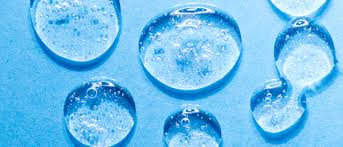
The IIT Gandhinagar team, whose work was recently highlighted in reports through April 2026 and earlier in the journal Small, believes they have solved the saline problem. Their hydrogel is “shear-thinning.” To understand this, imagine a bottle of ketchup: it stays thick until you shake it, at which point it flows easily. Similarly, this hydrogel becomes thin enough to pass through a fine needle under pressure. Once it reaches the space beneath the tumor, it instantly regains its gel-like structure, staying firm and elevated for the duration of the surgery.
“The material’s ability to maintain its height during the procedure is a potential game-changer,” says Dr. Ananya Sharma, a gastroenterologist not involved with the study. “If we don’t have to rush against a disappearing cushion, we can ensure cleaner margins and significantly lower the risk of complications like bowel perforation.”
From the Lab to the Operating Room
Preclinical testing has been rigorous. According to the Press Information Bureau (PIB) and institutional reports, the hydrogel has undergone successful evaluations in rat and porcine (pig) models. These large-animal studies are vital because a pig’s digestive anatomy closely mirrors that of a human.
In these trials, the hydrogel demonstrated:
-
Superior Elevation: It held the “lift” significantly longer than traditional saline.
-
Bleeding Control: The gel-like consistency helped tamponade (plug) small blood vessels during the cutting process.
-
Efficiency: Because fewer reinjections were needed, the overall procedure time was reduced.
The team at IIT Gandhinagar emphasizes that the material is designed for scalability and affordability. “The long shelf life and ease of production could make this accessible even in resource-limited settings,” the researchers noted in earlier institutional coverage.
Navigating the “Valley of Death”
Despite the optimism, the medical community remains pragmatically cautious. Moving from animal models to human patients is a transition often called the “valley of death” in biotechnology, where many promising innovations fail.
“Animal models provide a controlled environment, but humans come with varied anatomies, comorbidities like diabetes or hypertension, and different tumor characteristics,” explains Dr. Sharma. “We need to see if this gel remains inert and safe in the human body over the long term and whether it truly improves survival rates or reduces recovery time across a diverse patient population.”
Furthermore, while the hydrogel improves the removal of tumors, it does not replace the need for early detection. The WHO emphasizes that the most effective tool against colorectal cancer is still timely screening and the prompt evaluation of symptoms such as persistent bowel changes or rectal bleeding.
The Path Ahead
The next phase for the IIT Gandhinagar team involves human clinical trials, which will focus on safety and efficacy in a hospital setting. If successful, this hydrogel could represent a shift toward “organ-sparing” treatments—allowing patients to have tumors removed endoscopically and return home the same day, rather than undergoing invasive open surgery that requires removing sections of the colon.
For the average reader, the news is a sign of progress in the fight against cancer. While the “perfect cushion” isn’t in your local clinic just yet, the science suggests that the future of colon surgery will be steadier, safer, and more precise.
References
-
IIT Gandhinagar / IANS Reporting: Hydrogel-based technology for colon tumor surgery, April 2026.
Medical Disclaimer: This article is for informational purposes only and should not be considered medical advice. Always consult with qualified healthcare professionals before making any health-related decisions or changes to your treatment plan. The information presented here is based on current research and expert opinions, which may evolve as new evidence emerges.