 0
0
 0
0
CAMPO, CAMEROON — In the dense, emerald mangroves of the Campo region, a silent war is nearing its end. Human African trypanosomiasis (HAT)—the parasitic disease known colloquially as “sleeping sickness”—is on the brink of elimination in Cameroon. Yet, for the health workers navigating the humid riverbanks bordering Equatorial Guinea, this is the most dangerous phase of the fight.
History has shown that when sleeping sickness fades from the headlines, it quietly regroups. A new report from the World Health Organization (WHO) confirms that while cases have plummeted to historic lows, the humid forests of southern Cameroon remain a critical “hot zone” where unwavering vigilance is the only thing standing between success and a devastating resurgence.
A Parasite That Steals the Night
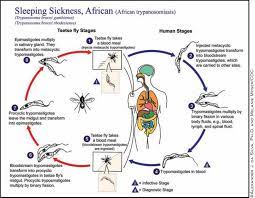
Sleeping sickness is transmitted through the bite of an infected tsetse fly. In Cameroon, the primary culprit is the parasite Trypanosoma brucei gambiense. For rural communities reliant on fishing, farming, and hunting, the tsetse fly is more than a nuisance; it is a vector for a disease that is nearly 100% fatal if left untreated.
The disease progresses in two harrowing stages. Initially, the parasite multiplies in the blood and lymph, causing symptoms that easily masquerade as malaria: fever, headaches, and joint pain. If missed, the parasite crosses the blood-brain barrier, invading the central nervous system. This second stage disrupts the victim’s sleep-wake cycle, leading to the profound lethargy and confusion that gave the disease its name.
“Most patients come to us after trying malaria treatments without success,” says Dr. Arthur Elemva Nkoumba, medical officer at the Campo District Medical Centre. “By then, the parasite may already be moving toward the brain.”
The Numbers: From Thousands to Ten
The progress achieved over the last two decades is a triumph of modern public health. Globally, cases of the gambiense strain have dropped from nearly 28,000 in 1999 to just 546 in 2024—a staggering 98% reduction.
Cameroon has mirrored this success. Once plagued by high prevalence rates, the country now reports between one and ten cases annually. However, regional spikes serve as a sobering reminder of the parasite’s resilience. In Campo, an area with historically high transmission, cases jumped to 20 as recently as 2019, underscoring the volatility of the elimination path.
New Tools: Pills Instead of Needles
A primary driver of recent success is a breakthrough in treatment: fexinidazole. For decades, treating the second stage of sleeping sickness required grueling, sometimes toxic, intravenous infusions that necessitated long hospital stays—a massive barrier for impoverished rural families.
Fexinidazole, an all-oral treatment, has revolutionized care. It allows patients with both first- and non-severe second-stage disease to be treated as outpatients. “The introduction of fexinidazole has simplified care,” Dr. Nkoumba explains. This accessibility ensures that patients like Philippe, a 21-year-old local fisherman who initially dismissed his fatigue as a minor ailment, can receive life-saving medication without losing his livelihood to a hospital bed.
Complementing this medical advancement is “vector control.” In the Campo trial, researchers deployed “Tiny Targets”—small, blue-black screens impregnated with deltamethrin. These screens attract and kill tsetse flies, reducing fly densities by 73% and trypanosome infections by 75% over two years.
The Challenge of Success: Fighting Complacency
Ironically, the greatest threat to elimination is the absence of the disease itself. When cases disappear, funding often follows, and communities lower their guard.
“When there are almost no more cases, some people think the disease no longer exists,” says Ingrid Djowe, a community health worker who has spent 15 years in Campo Centre. “Our job is to keep talking to communities, explain the signs in simple terms, and encourage people to get checked when symptoms persist.”
Dr. Marie Françoise Ngo Sol, an epidemiologist with Cameroon’s National Programme for the Control of HAT, echoes this sentiment. “Today, we have very few cases, but that doesn’t mean the disease is gone. Every case detected in time brings us closer to elimination.”
Obstacles on the Horizon
While the finish line is in sight, several “wild cards” remain:
-
Environmental Changes: Mangrove deforestation and shifting land use can alter tsetse fly habitats, potentially pushing them closer to human settlements.
-
Population Movement: Increased activity around deep-water ports and soldier movements across borders can introduce the parasite to “clean” areas.
-
Resource Intensity: Detecting the “last mile” of cases is disproportionately expensive. Finding one case among thousands of people requires robust, expensive surveillance systems that are hard to justify to donors when the “crisis” appears over.
What This Means for Public Health
The goal is the complete interruption of transmission by 2030. For the 55 million people still living in at-risk areas across Africa, elimination would remove a significant barrier to economic development.
For the general public, the message remains clear: persistence is key. Health authorities recommend that those living near or traveling to endemic riverine areas wear protective clothing and seek immediate medical consultation for any persistent fever that does not respond to standard malaria treatment.
“Cameroon has made significant progress,” says Dr. Étienne Nnomzo’o, WHO Neglected Tropical Diseases Programme Officer in Cameroon. “To consolidate these gains, continuous surveillance and sustained access to treatment are essential.”
The victory in Campo is not yet won, but for the first time in history, it is within reach.
Reference Section
- https://www.afro.who.int/countries/cameroon/news/cameroon-remains-vigilant-against-sleeping-sickness
Medical Disclaimer: This article is for informational purposes only and should not be considered medical advice. Always consult with qualified healthcare professionals before making any health-related decisions or changes to your treatment plan. The information presented here is based on current research and expert opinions, which may evolve as new evidence emerges.