 0
0
 0
0
April 22, 2026
NEW DELHI — Law enforcement and regulatory agencies in the national capital have dismantled two major illegal pharmaceutical operations in the Shahdara district this month, exposing a sophisticated network of counterfeit life-saving drugs. In back-to-back operations ending April 20, 2026, officials seized over 1.2 lakh spurious tablets and capsules, including fake versions of essential medications for diabetes and hypertension, and uncovered a massive “shadow” supply chain involving tax fraud and diverted government hospital supplies.
The Breakdown of the Busts: A Two-Pronged Strike
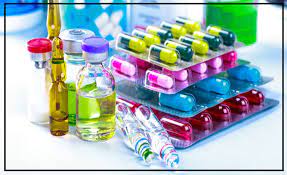
The first major blow to the syndicate came following a deep-cover investigation by the Delhi Police Crime Branch’s Cyber Cell. On March 11, 2026, officers raided a wholesale outlet in the notorious Bhagirathi Palace market and a residence in Shahdara, arresting Nikhil Arora (alias Sunny). The raid yielded a staggering 1.2 lakh counterfeit pills designed to mimic high-demand branded drugs like Metformin (for diabetes) and various anti-hypertensives.
Subsequent interrogations led to the arrest of five more accomplices—Shivam Tyagi, Mayank Aggarwal, Mohit Sharma, Shahrukh, and Rahul—and the discovery of a 1,000-square-yard illegal manufacturing facility in Roorkee, Uttar Pradesh.
In a separate action concluded on April 20, the Delhi Drugs Control Department targeted Rashid Market in Khureji. Using a decoy customer, inspectors caught operators selling prescription drugs without licenses or receipts. This raid resulted in the seizure of 104 different drug varieties and 23 types of expired medications. Notably, the outlet’s license had been cancelled since September 2024, yet it continued to trade in high-risk pharmaceuticals.
Anatomy of a Counterfeit: How the Racket Operated
The Shahdara syndicate was more than just a basement bottling operation; it was a sophisticated financial and industrial machine.
-
The Manufacturing Hub: The Roorkee unit housed industrial-grade tablet presses and capsule fillers, along with 2,000 kg of raw materials, including lactose and Metformin HCL, used to create bulk quantities of substandard pills.
-
The GST Scam: Investigators uncovered a parallel “paper” network of fictitious firms used to generate fake GST invoices totaling nearly ₹50 crore. This allowed the criminals to launder the proceeds of their illegal trade and provide a thin veneer of legitimacy to their “wholesale” transactions.
-
The Theft of Public Trust: Most alarmingly, the Crime Branch found that the group was diverting life-saving drugs like Meropenem (a potent antibiotic) and Ceftriaxone—originally intended for free distribution in government hospitals—back into the private black market for profit.
The Silent Killer: Health Risks of “Empty” Pills
Counterfeit medicines pose a dual threat: they may contain toxic impurities, or, more commonly, they lack the active pharmaceutical ingredient (API) required to treat the disease.
For the 101 million Indians living with diabetes and the 315 million dealing with hypertension (based on 2023 ICMR-INDIAB data), a fake pill is a death sentence in slow motion.
“When a patient takes a counterfeit diabetes medication like Metformin that lacks the active ingredient, their blood sugar remains dangerously high,” explains Dr. Ananya Rao, a senior clinical pharmacologist. “This leads to chronic hyperglycemia, which over time causes irreversible damage to the kidneys, retina, and cardiovascular system. In acute cases, it can trigger diabetic ketoacidosis, a medical emergency.”
Similarly, counterfeit hypertension drugs like Telma 40 (telmisartan), which have been frequently flagged by the Central Drugs Standard Control Organisation (CDSCO), fail to regulate blood pressure. This leaves patients at immediate risk of “silent” strokes or heart attacks while they believe they are protected by their daily regimen.
A Systemic Challenge: The “Bhagirathi” Hub
The recurrence of these raids highlights a persistent vulnerability in India’s $42 billion pharmaceutical industry. Bhagirathi Palace in Delhi remains a focal point for investigators. In 2025 alone, the CDSCO flagged 143 “Not of Standard Quality” (NSQ) drugs, many of which were spurious batches of household names like Taxim-O and Telma.
“The government is committed to safeguarding public health,” stated Delhi Health Minister Pankaj Kumar Singh following the Rashid Market raid. “We urge citizens to remain vigilant. Any violation of the Drugs and Cosmetics Act will be met with the strictest action.”
However, experts argue that the “shadow market” thrives on the public’s desire for cheaper medications and the ease of unverified online sales. A 2022 study suggested that up to 62% of drugs sold through unverified online pharmacies for chronic conditions could be falsified or substandard.
How to Protect Yourself: A Patient’s Checklist
While authorities continue to track the “faceless” suppliers behind these syndicates, the burden of vigilance often falls on the consumer. Public health officials recommend the following steps:
-
Verify the Source: Only purchase medications from pharmacies with a visible, valid retail license. Avoid “too good to be true” discounts from unverified online vendors.
-
Inspect the Packaging: Look for inconsistencies in fonts, colors, or spelling on the box. Check for the mandatory QR codes/barcodes now required on many top-selling brands.
-
Insist on a Bill: Always demand a computer-generated tax invoice that includes the batch number and expiry date of the medication.
-
Monitor Your Response: If a chronic medication that previously controlled your symptoms suddenly seems ineffective, or if you experience unusual side effects, consult your doctor immediately and report the batch to the CDSCO.
The Road Ahead: Limitations and Logistics
Despite the success of the Shahdara raids, challenges remain. Tracing the full extent of a ₹50 crore fake-billing network across state lines is a monumental task for understaffed regulatory bodies. Furthermore, as long as demand for low-cost life-saving medicine exists, syndicates will find ways to exploit the supply chain.
For now, the dismantling of the Roorkee unit and the Shahdara outlets marks a significant victory for Delhi’s enforcement agencies—a necessary step in purging the “silent killers” from the city’s shelves.
Medical Disclaimer: This article is for informational purposes only and should not be considered medical advice. Always consult with qualified healthcare professionals before making any health-related decisions or changes to your treatment plan. The information presented here is based on current research and expert opinions, which may evolve as new evidence emerges.
References
-
Hindustan Times. “Delhi: Illegal medicine sale racket busted in Shahdara, 104 varieties of drugs seized.” April 21, 2026. [hindustantimes.com]