 0
0
 0
0
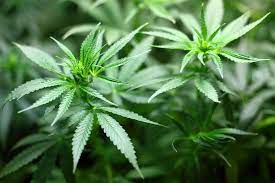
Recent studies conducted in early 2026 are challenging the perception of cannabis as a low-risk intervention for teenagers. Findings from two major research initiatives—a cross-sectional analysis in the American Journal of Preventive Medicine and a massive longitudinal study by Kaiser Permanente—suggest that even when cannabis is recommended by a clinician, adolescents face a significantly higher risk of developing substance use disorders and severe psychiatric conditions, including psychosis and bipolar disorder.
The “Medical” Paradox: Guidance vs. Dependency
For years, the term “medical cannabis” has carried a connotation of safety and oversight. However, a new analysis of 3,906 adolescents (ages 12 to 17) published in the American Journal of Preventive Medicine suggests that clinical recommendations do not necessarily shield teens from the risks of dependency.
The study found that while only 5.2% of cannabis-using teens reported using it under a clinician’s recommendation, this small group exhibited much more frequent and problematic use patterns. On average, these adolescents used cannabis 27.8 more days per year than their peers who used it recreationally. Furthermore, they were 57% more likely to meet the clinical criteria for moderate to severe Cannabis Use Disorder (CUD).
Perhaps most concerning was the link to other substances. Teens using cannabis for medical reasons were more likely to report the use of high-risk substances in the previous year, including:
-
Opioids
-
Stimulants
-
Cocaine
“These findings suggest that a medical recommendation may actually be a marker for more frequent use and potential escalation to other substances,” notes the research team. The study highlights a critical gap in how “medical” use is monitored in the pediatric population.
Long-Term Mental Health Implications
While the first study focused on usage patterns, a second landmark study published in JAMA Health Forum by Kaiser Permanente tracked the long-term mental health trajectories of nearly 464,000 adolescents.
Following these individuals from age 13 through young adulthood, researchers discovered a stark correlation between past-year cannabis use and the later onset of psychiatric disorders. The strongest associations were found in “heavy-hitting” diagnoses:
-
Psychotic Disorders: Teens who used cannabis were twice as likely to develop psychosis.
-
Bipolar Disorder: The risk for bipolar disorder also doubled in the cannabis-using group.
-
Anxiety and Depression: Significant, though slightly lower, increases in risk were also observed.
Chronologically, the cannabis use typically occurred 1.7 to 2.3 years before the psychiatric diagnosis was officially recorded. While this timeframe suggests a sequence of events, researchers remain cautious about claiming direct causation.
Why the Adolescent Brain is at Risk
The biological “why” behind these findings lies in the unique vulnerability of the developing brain. During adolescence, the brain undergoes a period of intense “pruning” and reorganization, particularly in the prefrontal cortex—the area responsible for decision-making, impulse control, and emotional regulation.
Modern cannabis products often contain high concentrations of Tetrahydrocannabinol (THC), the primary psychoactive compound. High-potency THC can interfere with the endocannabinoid system, which plays a vital role in guiding this brain development.
“Adolescence is a particularly vulnerable time for cannabis-related harms,” says Kelly Young-Wolff, PhD, a research scientist at the Kaiser Permanente Division of Research. “Our results support the need for early prevention efforts and routine screening in pediatric care.”
Expert Perspectives: A Growing Consensus
The scale of the Kaiser Permanente study has captured the attention of the wider medical community. Dr. Ryan Sultan, a psychiatrist at Columbia University who was not involved in the study, described the findings as “extremely concerning.”
“The fact that this study followed nearly half a million teens over time strengthens the case that cannabis use often precedes mental illness,” Dr. Sultan noted in an interview with NPR. “It moves us past the idea that this is just a coincidence.”
However, the medical community also acknowledges the “chicken and egg” dilemma. Some adolescents may engage in self-medication, using cannabis to cope with early, undiagnosed symptoms of anxiety or mood disorders. This creates a bidirectional relationship where cannabis use and mental health issues exacerbate one another.
Public Health and Equity Concerns
The research also shed light on socio-economic disparities. The Kaiser Permanente study found that cannabis use was more prevalent among adolescents living in neighborhoods with higher socioeconomic deprivation and those insured by Medicaid.
This suggests that public health messaging and prevention strategies must be tailored to reach at-risk communities where access to alternative mental health resources may be limited. For parents and clinicians, the practical takeaway is a move toward more rigorous screening. Instead of viewing cannabis as a primary solution for adolescent distress, experts recommend prioritizing established, evidence-based treatments.
Understanding the Limitations
As with all large-scale observational research, these studies have limitations that should be noted:
-
Causality: Neither study can definitively prove that cannabis causes mental illness or harder drug use. Factors like genetics, family environment, and pre-existing trauma play significant roles.
-
Data Nuance: The Medscape-reported study was cross-sectional, meaning it captured a “snapshot” in time. It could not track whether the medical recommendation caused the heavy use or if teens with more severe initial symptoms simply sought medical cannabis more often.
-
Potency Tracking: The Kaiser study relied on clinical records rather than biological testing, making it difficult to track exactly how much THC each teen was consuming.
Conclusion: A Call for Caution
As cannabis legalization continues to expand, the “normalization” of the drug may lead families to underestimate its impact on the teenage brain. The latest evidence suggests that even under the guise of “medical” use, cannabis carries a risk profile that requires careful clinical oversight and honest conversations between parents, teens, and doctors.
For now, the most effective way to mitigate risk is delayed initiation. As the International Journal of Drug Policy guidelines state, the most effective way to avoid cannabis-related harms in youth is abstinence during these critical developmental years.
Reference Section
- https://www.medscape.com/viewarticle/medical-use-cannabis-poses-risks-adolescents-2026a1000bl2
Medical Disclaimer: This article is for informational purposes only and should not be considered medical advice. Always consult with qualified healthcare professionals before making any health-related decisions or changes to your treatment plan. The information presented here is based on current research and expert opinions, which may evolve as new evidence emerges.