 0
0
 0
0
Published: April 15, 2026
For decades, the mantra in cardiovascular medicine has been “lower is better.” As hypertension guidelines have tightened, clinicians have aggressively pushed blood pressure numbers down to shield patients from the catastrophic risks of stroke and heart failure. However, a provocative new report suggests that for a significant portion of patients with established heart disease, the pendulum may have swung too far.
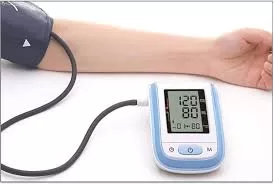
According to a Medscape report published April 14, 2026, more than one-third of people with coronary heart disease (CHD) are now running blood pressure levels below 120/70 mm Hg. While these numbers might be a badge of honor for a healthy young adult, they are sparking an urgent debate among cardiologists. For patients whose arteries are already narrowed, “too low” might be just as dangerous as “too high.”
The finding has renewed focus on the delicate mechanics of how the heart feeds itself and whether intensive treatment is inadvertently starving the heart muscle of oxygen.
The Diastolic Dilemma: How the Heart Breathes
To understand why low blood pressure is a concern for heart patients, one must look at the timing of a heartbeat. Most organs in the body receive blood flow while the heart is contracting (systole). The heart muscle itself is the exception.
Because the heart’s vessels are compressed during contraction, the myocardium (heart muscle) receives the vast majority of its oxygen-rich blood during the relaxation phase between beats, known as diastole.
“In coronary artery disease, the plumbing is already compromised,” explains the Medscape analysis. If the diastolic pressure—the bottom number on a blood pressure reading—drops too low, there may not be enough “push” to drive blood through narrowed coronary arteries. This can lead to reduced coronary perfusion, potentially triggering ischemia (lack of oxygen) or even a heart attack, despite the patient’s blood pressure appearing “perfect” on paper.
The Return of the J-Curve
This phenomenon is known in medical circles as the J-curve. The concept suggests that while cardiovascular risk decreases as blood pressure drops, it eventually hits a floor. Beyond that point, the risk curve stops falling and begins to hook upward again, resembling the letter “J.”
Evidence suggests this effect is most pronounced in those with preexisting CHD. Observational studies have consistently linked diastolic readings below 60 mm Hg to worse clinical outcomes.
“We are seeing a tension between two different goals,” says Roger S. Blumenthal, MD, of the American College of Cardiology. “On one hand, we want to prevent strokes by keeping systolic pressure low. On the other, we must ensure the heart muscle is adequately perfused during diastole.”
Deciphering the Data: SPRINT vs. Reality
The push for intensive control was largely fueled by landmark trials like SPRINT, which showed that targeting a systolic pressure below 120 mm Hg reduced major cardiovascular events by 25% and all-cause mortality by 27%. More recently, the 2025 BPROAD trial in patients with type 2 diabetes echoed these findings, showing a 21% reduction in major events with intensive control.
However, experts caution that trial participants are often “the healthiest of the sick.” In the real world, patients are older, more frail, and may have multiple blockages.
The 2025 American Heart Association (AHA) and American College of Cardiology (ACC) guidelines reaffirmed a general target of below 130/80 mm Hg for most high-risk adults. Yet, they also emphasized the need for individualized treatment. The concern raised by the latest report is that a “one-size-fits-all” approach to these targets may be leading to over-treatment in roughly 35% of the CHD population.
The Risks of Intensive Treatment
Beyond the theoretical risk to the heart muscle, aggressive blood pressure lowering carries immediate practical risks, including:
-
Hypotension (Low Blood Pressure): Leading to dizziness, fainting, and dangerous falls.
-
Acute Kidney Injury: Intensive treatment can sometimes place undue stress on renal function.
-
Syncope: Brief loss of consciousness caused by a temporary drop in blood flow to the brain.
A 2024 review in the European Journal of Cardiovascular Prevention warned that while lower targets benefit many, they can become harmful if they drive pressure so low that the body’s autoregulation fails—especially in older adults whose arteries are less flexible.
What This Means for Patients
For the millions of people living with coronary heart disease, the takeaway is not to discard their medication. High blood pressure remains a “silent killer” and the primary driver of strokes worldwide.
Instead, this report serves as a prompt for a more nuanced conversation with healthcare providers. Patients should be particularly vigilant if:
-
Their diastolic (bottom) number is consistently near or below 60 mm Hg.
-
They experience orthostatic hypotension (feeling lightheaded when standing up).
-
They are over the age of 75 and taking multiple blood pressure medications.
“The goal is ‘Goldilocks’ blood pressure,” says the report—not too high, not too low, but just right for the individual’s specific anatomy and risk profile.
The Path Forward: Individualized Care
As medical institutions move through 2026, the focus is shifting away from “treating to a number” and toward “treating the patient.”
“We have to move beyond the idea that a single blood pressure target fits every human being,” the Medscape report concludes. Future clinical decisions will likely involve a more sophisticated balance of age, symptom burden, kidney health, and the presence of specific coronary blockages.
For now, the message to the public is clear: know both your numbers—systolic and diastolic—and talk to your doctor about whether your current treatment plan is hitting the “sweet spot” for your heart’s health.
References
- https://www.medscape.com/viewarticle/bp-lower-than-target-many-coronary-heart-disease-2026a1000bkv
Medical Disclaimer: This article is for informational purposes only and should not be considered medical advice. Always consult with qualified healthcare professionals before making any health-related decisions or changes to your treatment plan. The information presented here is based on current research and expert opinions, which may evolve as new evidence emerges.