 0
0
 0
0
PALO ALTO, CA – In a discovery that challenges over two centuries of medical orthodoxy, researchers at Stanford University have developed a “universal” nasal spray vaccine that provides broad protection against a vast array of respiratory threats—ranging from the common cold and COVID-19 to deadly antibiotic-resistant bacteria and even seasonal allergens.
The study, published Feb. 19, 2026, in the journal Science, describes a radical shift in vaccinology. Unlike traditional vaccines that train the body to recognize a specific “fingerprint” of a single virus, this new formula puts the lungs’ own immune cells on a state of “amber alert,” ready to intercept almost any invader on sight.
“I think what we have is a universal vaccine against diverse respiratory threats,” said Dr. Bali Pulendran, the Violetta L. Horton Professor and a professor of microbiology and immunology at Stanford, who served as the study’s senior author. “The principle by which this vaccine works is a radical departure from the principle by which all vaccines have worked so far.”
A Radical Departure: How the “Amber Alert” Works
Since the 18th century, vaccines have relied on “antigen-specific” memory—teaching the immune system to recognize a specific protein from a specific pathogen. This approach, while successful against diseases like polio and measles, struggles against rapidly mutating viruses like influenza or the ever-evolving variants of SARS-CoV-2.
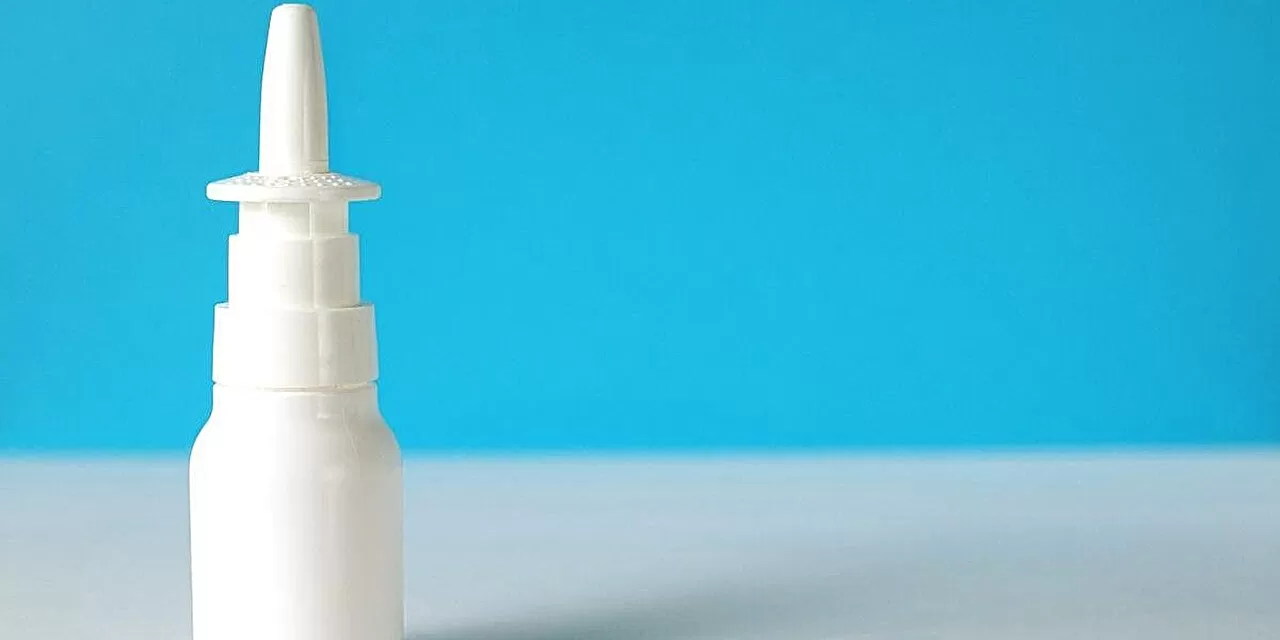
The Stanford team’s approach focuses instead on the innate immune system, the body’s first responders. The vaccine, currently labeled GLA-3M-052-LS+OVA, is delivered via a nasal spray. Once inhaled, it mimics the chemical signals immune cells use to communicate during an active infection.
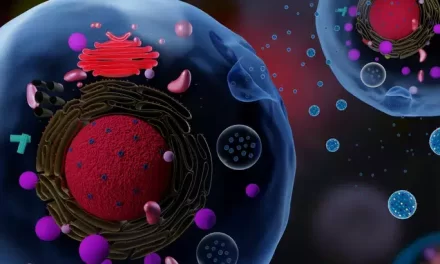
This process activates white blood cells in the lungs known as macrophages. These cells enter a heightened state of readiness—an “amber alert”—that allows them to destroy pathogens before they can take hold.
Key Research Findings
In rigorous animal trials, the researchers observed several breakthrough results:
-
Broad Protection: Vaccinated mice showed resistance to SARS-CoV-2 and other coronaviruses, as well as common “hospital bugs” like Staphylococcus aureus and Acinetobacter baumannii.
-
Viral Reduction: The heightened immune state led to a 100-to-1,000-fold reduction in the amount of virus entering the body through the lungs.
-
“Warp Speed” Response: For pathogens that did manage to slip through the first line of defense, the rest of the immune system was “tuned up” and ready to respond in just three days—compared to the usual two weeks in an unvaccinated subject.
-
Allergy Relief: Surprisingly, the vaccine also reduced inflammatory reactions to house dust mites, a primary trigger for allergic asthma.
“Normally, it takes two weeks for the immune system to launch a full-scale response. With this, the system is poised and ready to fend off threats in warp speed time,” explained Dr. Pulendran.
Expert Perspectives: Cautious Optimism
The global medical community has reacted with significant interest, though many emphasize that the path from mice to humans is complex.
Dr. Daniela Ferreira, Professor of Vaccinology at the University of Oxford, who was not involved in the study, called the research “really exciting.” She noted that the study’s strength lies in its clear explanation of how the new vaccine manipulates existing “memory” immune cells in the nose and lungs to provide broad protection.
However, other experts warn of potential “friendly fire.”
“We have to ensure that keeping the body on ‘high alert’ doesn’t lead to a hyper-ready immune system accidentally triggering unwelcome side effects or autoimmune disorders,” cautioned Dr. Jonathan Ball, Professor of Molecular Virology at the Liverpool School of Tropical Medicine.
Public Health Implications
If human trials prove successful, this technology could redefine how we manage respiratory health:
-
Pandemic “Stop-Gap”: During the early stages of a new outbreak (similar to 2020), this vaccine could be deployed immediately to build “immune resilience” while scientists spend months developing a targeted vaccine.
-
Seasonal Protection: One could imagine a seasonal spray administered every autumn to provide three months of protection against the “winter bug” season.
-
Vulnerable Populations: For regions like India, where air pollution and humid monsoons exacerbate respiratory infections and asthma, such a spray could significantly reduce hospital visits and mortality among the elderly and children.
The Path Forward
Despite the promise, the transition to human use faces challenges. While a simple spray worked for mice, humans may require a nebulizer to ensure the formula reaches the deeper tissues of the lungs.
The Stanford team is currently planning Phase I human clinical trials. These will likely involve “controlled human infection models,” where vaccinated volunteers are deliberately exposed to a virus in a safe, clinical environment to test efficacy. Dr. Pulendran estimates that, with adequate funding, a universal respiratory vaccine could be available to the public within five to seven years.
“Imagine getting a nasal spray in the fall months that protects you from all respiratory viruses… as well as bacterial pneumonia and early spring allergens,” said Pulendran. “That would transform medical practice.”
Reference Section
Medical Disclaimer: This article is for informational purposes only and should not be considered medical advice. Always consult with qualified healthcare professionals before making any health-related decisions or changes to your treatment plan. The information presented here is based on current research and expert opinions, which may evolve as new evidence emerges.