 0
0
 0
0
NEW DELHI — For decades, breast cancer was widely viewed in India as a disease of the elderly or a misfortune of genetic inheritance. However, a shifting biological landscape is telling a different story. Recent data from the Indian Council of Medical Research (ICMR) reveals a sobering trend: breast cancer cases among Indian women are rising at an annual rate of 6%, with a striking increase in diagnoses among women aged 35 to 50.
As clinical researchers look beyond traditional risk factors, a triad of modern lifestyle “disruptors”—chronic sleep deprivation, persistent stress, and central obesity—has emerged as a primary driver of this public health crisis.
The Metabolic Connection: Why “Belly Fat” Matters Most
While Body Mass Index (BMI) has long been the standard for measuring health, oncologists are increasingly concerned with central obesity—the accumulation of visceral fat around the abdomen.
“Waist circumference is often a more potent predictor of cancer risk than total body weight,” explains Dr. Shubham Garg, Director of Surgical Oncology at Dharamshila Narayana Hospital. “Visceral fat is not just stored energy; it is an active endocrine organ.”
This abdominal fat acts as a chemical factory, producing inflammatory proteins called cytokines. In post-menopausal women, this tissue becomes the primary source of estrogen. High levels of estrogen, coupled with the chronic inflammation and insulin resistance triggered by central obesity, create a “perfect storm” for the development of hormone-sensitive breast tumors.
The Midnight Toll: Sleep as a Carcinogen?
The modern “always-on” culture is taking a measurable toll on the female endocrine system. Data from the National Centre for Disease Informatics and Research (NCDIR) suggests that disrupted circadian rhythms—the body’s internal 24-hour clock—are closely linked to rising cancer rates in urban India.
When we deprive ourselves of sleep or work irregular night shifts, we suppress the production of melatonin. Often called the “hormone of darkness,” melatonin does more than help us sleep; it is a powerful antioxidant that regulates estrogen and assists in DNA repair.
-
Immune Surveillance: Sleep is when the immune system “scans” the body for mutated cells.
-
Hormonal Regulation: Chronic exhaustion leads to elevated cortisol, which can interfere with the body’s ability to regulate estrogen.
While sleep deprivation is rarely the sole cause of cancer, experts warn it acts as an “amplifier” of risk when combined with a sedentary lifestyle and poor diet.
The Biology of Stress
It is a common refrain in medical offices: “I’ve been under so much stress lately.” While stress is a subjective experience, its biological impact is quantifiable. Persistent stress keeps the body in a state of “fight or flight,” flooding the system with cortisol and adrenaline.
Over time, this hormonal imbalance:
-
Suppresses natural killer (NK) cells, which are the body’s first line of defense against tumors.
-
Promotes chronic inflammation, which can damage healthy DNA.
-
Alters glucose regulation, feeding the metabolic dysfunction associated with obesity.
A Growing Concern for Younger Women
In Western nations, breast cancer typically peaks in a woman’s 60s. In India, however, the peak is shifting a full decade earlier, into the 40s.
Beyond biology, sociodemographic shifts are playing a role. Delayed childbirth and reduced periods of breastfeeding—both common in India’s growing urban professional class—mean women are exposed to more menstrual cycles and higher cumulative levels of estrogen over their lifetimes.
“We are seeing a convergence of factors,” says Dr. Garg. “Late-30s clinical breast exams and individualized screening are no longer just for those with a family history. They are becoming necessary for those with high lifestyle risk factors.”
Shifting the Narrative: Modifiable Risk
The most empowering takeaway from recent research is the distinction between non-modifiable factors (age, genetics) and modifiable factors (lifestyle). While you cannot change your DNA, you can influence your metabolic environment.
Strategies for Risk Reduction:
-
Prioritize Sleep Hygiene: Aim for 7–8 hours of consistent sleep to maintain melatonin levels.
-
Monitor the Waistline: Focus on reducing abdominal fat through high-fiber diets and strength training to manage insulin sensitivity.
-
Stress Management: Incorporate mindfulness or physical activity to lower chronic cortisol levels.
-
Breastfeeding: Where possible, breastfeeding for at least 6–12 months has a documented protective effect against certain types of breast cancer.
The Limitations of Lifestyle
It is vital to maintain perspective: lifestyle changes are not a guarantee of immunity. Many women who lead “perfectly healthy” lives are still diagnosed with breast cancer due to genetic mutations like BRCA1 or BRCA2, or environmental factors beyond their control.
Furthermore, some researchers argue that focusing too heavily on lifestyle can inadvertently lead to “patient-blaming.” Public health experts emphasize that while individual choices matter, systemic issues—such as the lack of walkable urban spaces and the high cost of nutritious food—also contribute to the rise in obesity and stress.
Looking Ahead
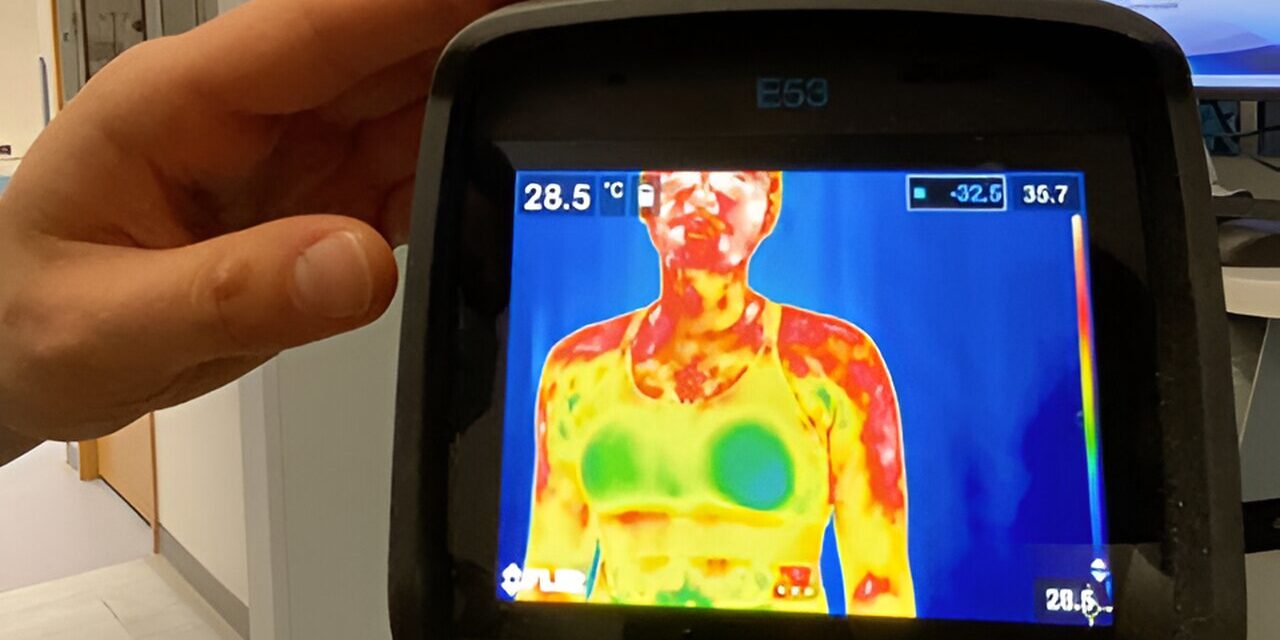
As India continues to grapple with this epidemic, the medical community is calling for a “risk-stratified” approach to screening. Rather than a one-size-fits-all model, doctors are beginning to recommend earlier mammograms or ultrasounds for women who exhibit markers of metabolic syndrome, even in the absence of a family history of cancer.
The message is clear: the fight against breast cancer begins long before a lump is felt. It begins with the quiet rhythms of sleep, the management of stress, and the health of our metabolic systems.
Reference Section
- https://www.daijiworld.com/news/newsDisplay?newsID=1307143
Medical Disclaimer: This article is for informational purposes only and should not be considered medical advice. Always consult with qualified healthcare professionals before making any health-related decisions or changes to your treatment plan. The information presented here is based on current research and expert opinions, which may evolve as new evidence emerges.