 0
0
 0
0
Published: February 22, 2026
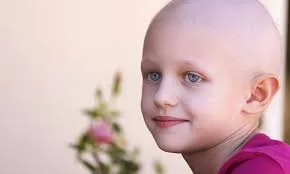
NEW DELHI — In a definitive shift for pediatric oncology in middle-income nations, a multi-center nationwide study has revealed that children treated for cancer in India are achieving survival rates that rival global benchmarks. The Indian Childhood Cancer Survivorship (C2S) study, the country’s first structured registry of its kind, reported a 94.5% five-year overall survival rate among its participants, signaling a new era of hope and a pressing need for long-term survivorship care.
The findings, published in The Lancet Regional Health – Southeast Asia, represent a collaborative effort initiated in 2016 involving 20 centers across India, including the All India Institute of Medical Sciences (AIIMS) and the Rajiv Gandhi Cancer Institute and Research Centre. By tracking 5,419 children diagnosed before age 18, researchers have provided the first large-scale evidence that high-quality cancer care in resource-limited settings can yield world-class outcomes.
A New Benchmark for Resource-Limited Settings
For decades, childhood cancer data was largely dominated by high-income Western nations. The C2S study changes that narrative. Of the 5,140 participants with available survival data, the study found:
-
94.5% Five-Year Overall Survival (OS): The percentage of patients alive five years after their initial diagnosis.
-
89.9% Event-Free Survival (EFS): The percentage of patients who remained free of complications, such as relapse or secondary tumors, after primary treatment.
-
Acute Leukaemia Predominance: The most common diagnosis, accounting for 40.9% of cases.
“This is a watershed moment for Indian pediatrics,” says Dr. Ananya Iyer, a pediatric oncologist not involved in the study. “For years, we operated under the shadow of ‘treatment abandonment’ and high mortality. These figures prove that when children reach tertiary care centers in India, the clinical success is extraordinary.”
The treatment modalities reflected a comprehensive approach: 94.7% of participants received chemotherapy, 30% underwent surgery, and 26.3% received radiotherapy. Interestingly, for survivors who were followed for at least two years post-treatment, the survival rate climbed even higher to 98.2%.
Defining the “Late Effects” Challenge
While the high survival rates are cause for celebration, the study also issues a sobering reminder: curing the cancer is only the first step. As these children grow into adulthood, they face a unique set of health risks known as “late effects.”
Late effects are health problems that appear months or years after treatment ends. These can include:
-
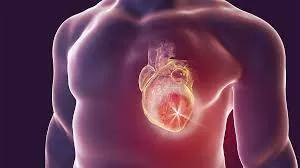
Cardiovascular issues (often linked to specific chemotherapy agents).
-
Secondary cancers resulting from previous radiation.
-
Endocrine disruptions, such as growth hormone deficiencies or infertility.
-
Neurocognitive delays, particularly in children treated for brain tumors.
Researchers estimate that one-third to one-half of childhood cancer survivors will experience at least one long-term late effect, with nearly half of those being potentially life-threatening.
“In a country like India, the challenge isn’t just the cure; it’s the ‘aftercare’,” notes Dr. Iyer. “We are now seeing a massive population of survivors who need specialized monitoring for the rest of their lives. We cannot afford to lose these children ten years later to a preventable heart condition or a secondary malignancy.”
Bridging the Gap: Public-Private Collaboration
One of the study’s most significant achievements is its structural diversity. The C2S registry successfully integrated data from both public and private sector institutions across all four geographic regions of India (North, South, East, and West).
This collaboration addresses a critical evidence gap. Historically, data from low- and middle-income countries (LMICs) has been fragmented. By creating a unified cohort, the C2S study provides a blueprint for other LMICs to track survivors and develop indigenous protocols for long-term care that are culturally and economically appropriate.
Statistical Snapshot: The C2S Cohort
| Category | Data Point |
| Total Participants | 5,419 |
| Most Common Cancer | Acute Leukaemia (40.9%) |
| Chemotherapy Usage | 94.7% |
| 5-Year Overall Survival | 94.5% |
| 5-Year Event-Free Survival | 89.9% |
Implications for Public Health and Policy
The findings are expected to influence National Health Policy in India. With nearly 50,000 new cases of childhood cancer diagnosed in the country annually, the registry highlights the necessity of:
-
Integrated Survivorship Clinics: Moving beyond oncology to include cardiologists, endocrinologists, and psychologists in follow-up care.
-
Digital Health Records: Ensuring survivors have portable “survivorship passports” that detail their treatment history for future doctors.
-
Financial Protection: Expanding insurance coverage to include long-term screening for late effects, not just the initial acute treatment.
Limitations and the Road Ahead
Despite the impressive numbers, experts urge a cautious interpretation. The study focused on patients who were already in remission and receiving care at premier tertiary centers.
“We must acknowledge the ‘selection bias’ inherent in hospital-based registries,” says Dr. Rajesh Verma, a public health researcher. “These 5,000+ children had access to some of the best medical facilities in India. The survival rates in rural areas or among those who cannot afford to complete treatment may still be significantly lower. The next step is ensuring this 94.5% survival rate is a reality for every child in India, regardless of their postal code.”
The C2S team intends for this cohort to be followed for decades, providing a continuous stream of data on how Indian survivors age differently compared to their Western counterparts.
What This Means for Families
For parents and caregivers, the message is clear: a childhood cancer diagnosis is no longer a terminal sentence in India. However, the role of the caregiver extends far beyond the final round of chemotherapy.
Practical Steps for Survivors:
-
Keep a Treatment Summary: Ensure you have a detailed record of all drugs (and dosages) and radiation sites.
-
Routine Screening: Do not skip annual follow-ups, even if the child appears perfectly healthy.
-
Healthy Lifestyle: Because survivors are at higher risk for metabolic and heart issues, nutrition and exercise are even more critical than for the general population.
As India continues to refine its pediatric oncology protocols, the C2S study stands as a testament to clinical excellence and a roadmap for the future of survivorship.
References
Medical Disclaimer: This article is for informational purposes only and should not be considered medical advice. Always consult with qualified healthcare professionals before making any health-related decisions or changes to your treatment plan. The information presented here is based on current research and expert opinions, which may evolve as new evidence emerges.