 0
0
 0
0
Published: March 31, 2026
The landscape of obesity treatment, currently dominated by the massive success of weekly GLP-1 receptor agonists like semaglutide (Wegovy) and tirzepatide (Zepbound), may be on the verge of a logistical and biological shift.
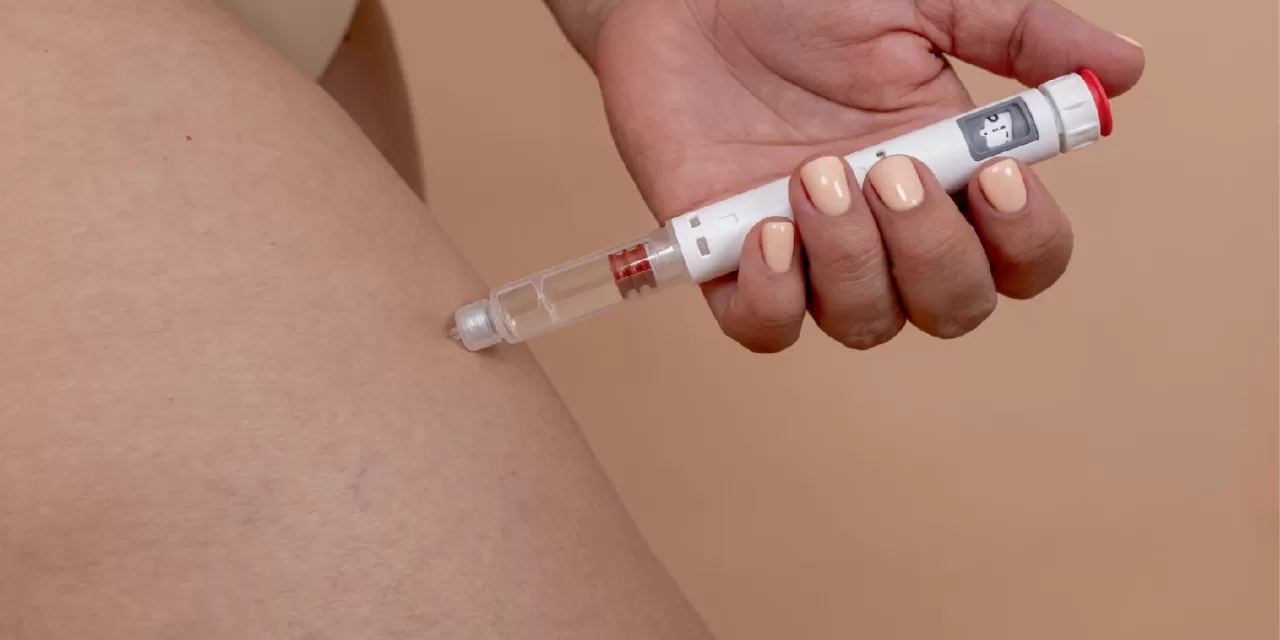
On March 26, 2026, Wave Life Sciences announced promising interim Phase 1 data from its INLIGHT clinical trial. The study evaluates WVE-007, an investigational siRNA (small interfering RNA) therapeutic that targets visceral fat—the dangerous “hidden” fat surrounding internal organs—with a dosing schedule as infrequent as once or twice per year.
While the pharmaceutical industry and patients have embraced the “weight loss revolution” of the last three years, the burden of weekly injections and the unintended loss of muscle mass remain significant hurdles. WVE-007 aims to solve both by silencing a specific genetic “brake” on fat burning, potentially offering a more sustainable, body-composition-focused approach to managing a condition that now affects over one billion people worldwide.
Targeted Fat Loss: The INLIGHT Trial Findings
The Phase 1 portion of the INLIGHT trial (NCT06842186) enrolled 32 participants with overweight or obesity, maintaining an average BMI of approximately $32 \text{ kg/m}^2$. Researchers administered a single 240 mg subcutaneous dose of WVE-007 to observe its safety profile and its effect on body composition over six months.
The results revealed a distinct “quality over quantity” trend in weight loss:
-
Visceral Fat Reduction: Participants saw a 14% placebo-adjusted reduction in visceral fat.
-
Total Fat & Waistline: Total body fat dropped by 5%, with a 3% decrease in waist circumference.
-
Muscle Preservation: Unlike many current therapies where lean mass loss is a concern, WVE-007 participants saw a stabilization of lean mass, including a slight 2% increase.
-
Body Composition Ratio: The visceral fat-to-muscle ratio improved by 16.5% from baseline.
For comparison, historical data for weekly 2.4 mg semaglutide showed a 12.2% improvement in this ratio at the six-month mark, albeit in a trial with participants having a higher average BMI ($37 \text{ kg/m}^2$).
Perhaps most significant for public health logistics is the drug’s durability. WVE-007 achieved up to 88% suppression of Activin E—the protein target—with suppression levels remaining above 70% for seven months following a single shot. This supports the potential for a “set it and forget it” dosing regimen.
The Science: Releasing the “Fat Brake”
To understand how WVE-007 works, one must look at the liver. The drug utilizes RNA interference (siRNA) to silence the INHBE gene. This gene is responsible for producing a protein called Activin E.
In individuals with obesity, the liver overproduces Activin E, which then travels to adipose (fat) tissue and acts as a biological “brake,” inhibiting lipolysis—the natural breakdown of fats. By silencing the gene, WVE-007 effectively cuts the brake lines.
“Think of Activin E as a lock on your body’s fat furnace,” says one industry analyst. “WVE-007 removes that lock, allowing the body to burn fat for energy more consistently without the need to break down muscle tissue for fuel.”
This mechanism differs fundamentally from GLP-1 drugs, which primarily work by slowing digestion and signaling the brain to reduce appetite. While effective, roughly 15% to 40% of the weight lost on GLP-1s can come from lean muscle mass, a side effect that can lead to frailty, especially in older populations.
Expert Perspectives: Composition vs. Scale Weight
The medical community’s reaction to the data has been a mix of scientific intrigue and market caution. Following the announcement, Wave Life Sciences’ stock experienced a sharp 50% decline, largely attributed to the modest 1% total body weight loss observed in the trial.
However, obesity specialists suggest the market may be overlooking the clinical value of “healthy” weight loss.
“The news of a 1% weight loss triggered a significant drop in the company’s stock,” noted Dr. Fatima Cody Stanford, an obesity medicine physician at Massachusetts General Hospital, who was not involved in the trial. “But the improvement in body composition—specifically the reduction in harmful visceral fat while preserving muscle—was actually greater than that achieved with weekly semaglutide in some comparisons.”
Christopher Wright, MD, PhD, Wave’s Chief Medical Officer, remains optimistic about the drug’s niche. “We are seeing our differentiated chemistry translate into clinically meaningful levels of fat loss, particularly harmful visceral fat, with muscle preservation,” Wright stated. He anticipates more pronounced effects in patients with higher BMIs and envisions the drug as a “maintenance therapy” for those who have reached their goal weight on GLP-1s but want to stop weekly injections.
Context: A Growing Global Crisis
The urgency for diverse obesity treatments has never been higher. The 2026 World Obesity Atlas highlights a staggering crisis in developing nations; in India alone, 41 million school-age children are living with obesity, ranking the nation second globally.
Obesity is the primary driver for Metabolic Dysfunction-Associated Steatotic Liver Disease (MASLD, formerly MASH), Type 2 diabetes, and cardiovascular disease. Visceral fat is the chief culprit in these conditions because it is metabolically active, secreting inflammatory cytokines directly into the portal vein leading to the liver.
Reducing visceral fat specifically—even if the number on the scale doesn’t drop as dramatically as with other drugs—could yield outsized benefits for heart and liver health.
Public Health and Future Outlook
If Phase 2a trials, set to begin in the second quarter of 2026, confirm these findings, WVE-007 could democratize obesity care. Weekly injections require a cold chain (refrigeration) and consistent pharmacy access, which is often a barrier in rural or underserved regions. A twice-yearly injection administered in a clinic could significantly improve adherence and reduce the long-term healthcare costs associated with obesity-related complications.
Limitations to Consider
Despite the excitement, several questions remain:
-
The Dose-Response Paradox: Curiously, higher doses (400 mg) in the trial showed less visceral fat loss at three months than the 240 mg dose at six months, raising questions about the optimal “sweet spot” for dosing.
-
Statistical Power: As a Phase 1 trial with only 32 people, the study was designed to test safety, not to prove definitive efficacy.
-
Economic Factors: The cost of siRNA therapies is traditionally high, which may limit initial accessibility.
The upcoming Phase 2a trial will move into a more “real-world” cohort: patients with BMIs between 35 and $50 \text{ kg/m}^2$ and existing comorbidities. This 12-month study will use advanced MRI and DEXA imaging to provide a definitive map of how WVE-007 reshapes the human body.
For now, WVE-007 represents a shift in the medical philosophy of obesity: moving away from simply “getting smaller” and toward “getting healthier” by targeting the fat that matters most.
Medical Disclaimer: This article is for informational purposes only and should not be considered medical advice. Always consult with qualified healthcare professionals before making any health-related decisions or changes to your treatment plan. The information presented here is based on current research and expert opinions, which may evolve as new evidence emerges.
References
- https://www.medscape.com/viewarticle/once-or-twice-yearly-injection-weight-loss-2026a10009n4