 0
0
 0
0
Published: March 31, 2026
A highly mutated new subvariant of SARS-CoV-2, informally dubbed “Cicada” due to its emergence patterns and designated scientifically as BA.3.2, is currently under intense global scrutiny. First identified in South Africa in late 2024, the variant has now been detected in over 20 countries, including the United States. Its defining characteristic—a staggering 75-plus mutations in the spike protein—has raised questions about the future of vaccine efficacy and the potential for a new wave of infections.
However, while the genetic profile of the Cicada variant is complex, infectious disease experts and public health officials are emphasizing a message of prepared readiness rather than a return to the emergency footing of 2020. Thanks to a global foundation of “hybrid immunity” and an expanded medical toolkit, the risk profile for the general population remains distinct from the early years of the pandemic.
Decoding the Spike: Why 75 Mutations Matter
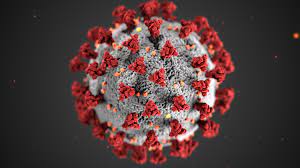
The spike protein is the “key” the virus uses to unlock and enter human cells. It is also the primary target for the antibodies produced by vaccines and prior infections. When a variant accumulates 70 to 75 changes—substitutions and deletions—in this specific region, it essentially changes its “locks.”
Compared to the JN.1 variant, which served as the basis for the most recent vaccine boosters, BA.3.2 represents a significant evolutionary leap. According to reports from the Center for Infectious Disease Research and Policy (CIDRAP) at the University of Minnesota, this level of divergence suggests a high potential for immune evasion. In simpler terms, the virus may more easily bypass the first line of antibody defense in people who were vaccinated or previously infected.
“The evolution of SARS-CoV-2 continues, but this does not mean we are back in a full-blown pandemic crisis,” says Dr. S. M. Fayaz, Lead and Senior Consultant in Internal Medicine at KIMS Hospitals, Bengaluru. Dr. Fayaz, who has been monitoring the clinical implications of the strain, notes that while the virus is changing, our bodies’ ability to recognize it has also evolved.
Understanding “Immune Escape” and Hybrid Immunity
The term “immune escape” often sparks fear of a total loss of protection, but immunologists clarify that immunity is not a binary “on/off” switch.
Most of the global population now possesses hybrid immunity—a combination of protection from vaccinations and natural infections. While the Cicada variant may be better at causing “breakthrough” infections or reinfections, the T-cell response (the part of the immune system that prevents severe illness and death) tends to be more robust and less affected by spike mutations than antibodies are.
“The primary health-related consequence of this new spread is that its capacity to partially evade immunization can lead to an increase in new infections and multiple instances of reinfection,” explains Dr. Fayaz. However, for the majority of healthy individuals, these infections are expected to remain manageable.
Symptoms and Clinical Outlook: What to Expect
Current data suggests that for most healthy adults, an infection with the BA.3.2 variant will mirror the experience of recent Omicron-driven waves. The illness typically presents as:
-
Fever and chills
-
Persistent cough and sore throat
-
Significant fatigue and muscle aches
-
General malaise
For those without underlying conditions, these symptoms can generally be managed at home with standard supportive care, such as rest, hydration, and over-the-counter fever reducers. Dr. Fayaz points out that while the variant is highly transmissible, there is currently no evidence that it causes more inherently severe disease than its predecessors in the general population.
Protecting the Vulnerable: The True Public Health Priority
While the outlook is optimistic for the general public, the Cicada variant poses a continued threat to specific high-risk groups. Public health resources are being pivoted toward protecting:
-
The elderly (65+ years)
-
Individuals with chronic conditions (Diabetes, heart disease, or chronic lung disease)
-
Pregnant women
-
Immunocompromised patients (Those on cancer treatments or organ transplant medications)
For these groups, a reinfection is not just a nuisance; it carries a higher risk of complications like pneumonia or respiratory failure. “We must focus on protecting the vulnerable—through vaccination, early testing, and timely use of antiviral therapies,” says Dr. Fayaz.
The Role of Global Surveillance
The emergence of BA.3.2 highlights a critical gap in global health: genomic surveillance. As many countries have scaled back their testing and sequencing efforts, the true geographic spread of the Cicada variant may be under-reported.
Public health monitoring bodies, including CIDRAP, caution that staying ahead of the virus requires consistent sequencing to identify new sublineages that might acquire even more concerning traits. The current strategy is one of “watchful waiting”—maintaining the infrastructure to detect surges before they overwhelm local healthcare systems.
Practical Steps for the Public
Experts suggest that instead of panicking over mutation counts, individuals should focus on practical, evidence-based precautions:
-
Stay Current on Boosters: Even if vaccines do not perfectly prevent infection, they remain highly effective at preventing the severe outcomes that lead to hospitalization.
-
Prompt Testing: If you develop symptoms, test immediately. This is especially vital before visiting high-risk settings like nursing homes or hospitals.
-
Strategic Masking: Consider wearing a high-quality mask (like an N95 or KF94) in crowded, poorly ventilated indoor spaces during periods of high local transmission.
-
Early Treatment: If you are in a high-risk group and test positive, contact your physician immediately to discuss antiviral treatments like Paxlovid, which are most effective when started early.
The Bottom Line
The “75 mutations” headline is a reminder that SARS-CoV-2 is a permanent fixture in the global viral landscape, much like the seasonal flu. While the Cicada variant represents a sophisticated move by the virus to bypass our current defenses, the combination of medical advancement and population immunity means the world is better prepared than ever before.
As Dr. Fayaz concludes: “The new findings imply the need to maintain genomic surveillance and readiness, not panic. COVID-19 case surges may occur episodically… but we are better equipped to meet them now.”
Medical Disclaimer: This article is for informational purposes only and should not be considered medical advice. Always consult with qualified healthcare professionals before making any health-related decisions or changes to your treatment plan. The information presented here is based on current research and expert opinions, which may evolve as new evidence emerges.
References
-
Economic Times Health. (March 2026). “New COVID variant with 75 mutations raises concerns: Doctor says stay alert, do not panic.”