 0
0
 0
0
DHAKA, Bangladesh — A rapidly intensifying measles outbreak has claimed the lives of at least 38 children in Bangladesh since the start of 2026, health officials confirmed Monday. The surge, which began quietly in December, has escalated into a public health crisis this month, with 32 of the recorded fatalities occurring in March alone. While the capital city of Dhaka serves as the current epicenter, the virus is spreading through several districts, highlighting critical vulnerabilities in the nation’s immunization infrastructure and the impact of widespread malnutrition on child survival.
A Sharp Spike in Fatalities
According to data from the Infectious Diseases Hospital (IDH) in Mohakhali, Dhaka, the facility has been overwhelmed by a sudden influx of patients. Of the 38 total deaths nationwide, 21 occurred at the IDH, including three children who passed away this past Sunday.
The scale of the current surge is stark when compared to previous years. Hospital records show that 560 suspected measles cases were recorded at the IDH in the first three months of 2026, a massive jump from the 69 cases reported during the same period in 2025.
“The ward is operating well beyond its capacity,” said Dr. ARM Sakhawat Hossain, a consultant of Child Health at the IDH. “In a single day this weekend, we admitted 117 patients, approximately 70% of whom were confirmed to have measles. Many of these children are arriving with severe complications because they were never vaccinated.”
Gaps in the “Shield” of Immunity
Public health experts point to a “perfect storm” of factors driving the outbreak. Foremost is a significant gap in routine immunization. While Bangladesh has historically maintained high vaccination coverage through its Expanded Programme on Immunisation (EPI), recent years have seen disruptions.
Experts note that the country has not conducted a large-scale, nationwide measles-rubella (MR) “catch-up” campaign since 2020. These campaigns are vital for reaching “zero-dose” children—those who missed their scheduled shots due to migration, lack of awareness, or systemic barriers.
“Measles is one of the most contagious diseases known to medicine; one infected person can spread it to 15 to 18 others,” explained Professor Mahmudur Rahman, Chairman of the National Verification Committee for Measles and Rubella Elimination. “When you have a buildup of susceptible, unvaccinated children over several years, the virus eventually finds them. We are seeing the result of that accumulated vulnerability now.”
Furthermore, logistical hurdles have played a role. Reports from the Directorate General of Health Services (DGHS) indicate that vaccine supply chain issues and a shortage of field-level health workers in certain regions have hindered the delivery of the two-dose measles regimen, typically administered at 9 and 15 months of age.
The Role of Malnutrition and Complications
The outbreak is proving particularly lethal due to a high prevalence of childhood malnutrition in affected areas. Measles severely weakens the immune system, making children susceptible to secondary infections.
According to the World Health Organization (WHO), the most common causes of death from measles include:
-
Pneumonia: The leading cause of measles-related mortality.
-
Severe Diarrhea: Leading to life-threatening dehydration.
-
Encephalitis: Swelling of the brain that can cause permanent disability.
-
Blindness: Often resulting from severe Vitamin A deficiency exacerbated by the virus.
Doctors at Rajshahi Medical College Hospital, which reported 12 deaths this month, noted that many of the fatal cases involved children who were already underweight or vitamin-deficient, leaving them with no reserves to fight the high fever and respiratory strain caused by the virus.
Emerging Scientific Concerns
Medical professionals are also raising alarms about a shift in the age of infection. While measles traditionally affects children over nine months old, doctors in Dhaka and Rajshahi have reported cases in infants as young as four months.
“This is a concerning trend that requires immediate investigation,” said Dr. Md. Rafiqul Islam, a public health official. “Infants usually carry maternal antibodies that protect them for several months. If younger infants are falling ill, it may suggest that their mothers lack sufficient immunity themselves, or that the viral load in the community is high enough to overcome those natural barriers.”
Public Health Response and Outlook
In response to the crisis, the DGHS has deployed additional medical teams to the hardest-hit hospitals and announced plans for a massive vaccination campaign in June, aiming to reach 20 million children. However, experts warn that June may be too late to prevent further loss of life during the current peak.
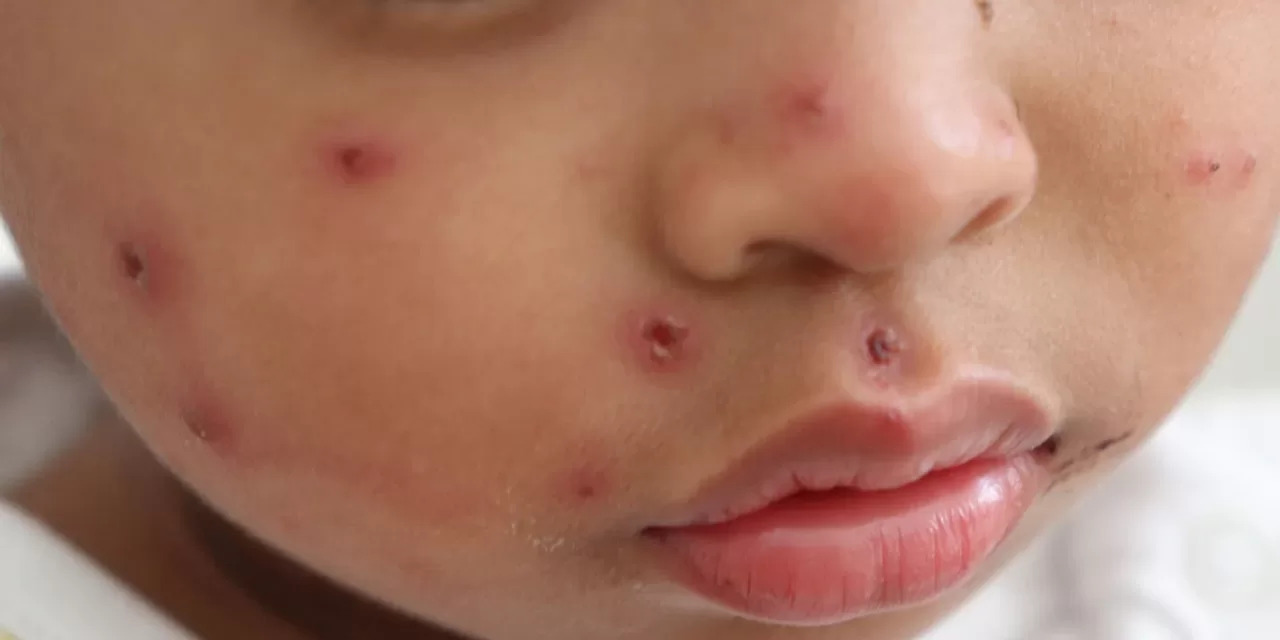
Nizam Uddin Ahmed, Chair of the Steering Committee of Gavi, the Vaccine Alliance, emphasized that the situation requires “strengthened surveillance and immediate field-level monitoring.” He urged parents not to panic but to ensure their children’s vaccination cards are up to date and to seek medical help immediately if a child develops a high fever and the characteristic red, blotchy rash.
As the government works to stabilize the vaccine supply, the current outbreak serves as a grim reminder that in the race against highly infectious diseases, even a small gap in the line of defense can lead to tragedy.
Reference Section
-
https://english.news.cn/asiapacific/20260330/e2646a0416444d5fbd866c8d0a0b3310/c.html
Medical Disclaimer: This article is for informational purposes only and should not be considered medical advice. Always consult with qualified healthcare professionals before making any health-related decisions or changes to your treatment plan. The information presented here is based on current research and expert opinions, which may evolve as new evidence emerges.