 0
0
 0
0
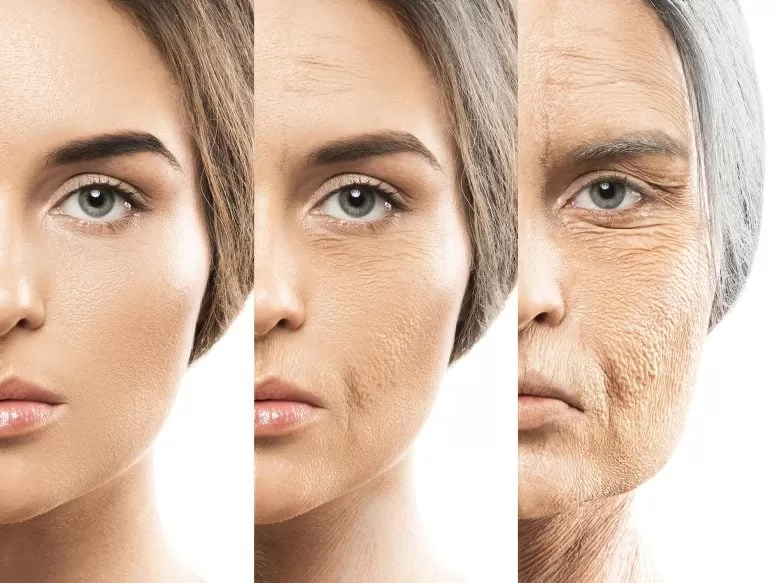
NEW YORK — A groundbreaking study involving a common amino acid has sent ripples through the scientific community, suggesting that a well-known nutrient found in meat, fish, and popular energy drinks may hold the key to extending “healthspan”—the period of life spent in good health. Research led by scientists at Columbia University and published in the journal Science reveals that levels of taurine decline precipitously as we age, and restoring them can significantly slow the biological clock in animal models. While the findings have sparked excitement among longevity enthusiasts, experts warn that the transition from mouse models to human prescriptions requires rigorous clinical validation before the public rushes to supplement.
The “Taurine Gap”: A Driver of Decline?
Taurine is a conditionally essential micronutrient, meaning while our bodies can produce it, we often rely on dietary sources to maintain optimal levels. It is one of the most abundant amino acids in the human body, crucial for bile salt formation, electrolyte balance, and central nervous system function.
The landmark study, “Taurine deficiency as a driver of aging,” analyzed blood plasma concentrations across species. The data was stark: taurine levels drop by approximately 80% in middle-aged humans and animals compared to their younger counterparts. By the time a person reaches 60, their taurine levels are often a mere fraction of what they were in childhood.
To test if this decline was a symptom or a cause of aging, researchers initiated a series of large-scale animal trials:
-
Mice: Middle-aged mice given daily taurine supplements lived 10% to 12% longer than control groups. More importantly, their “healthspan” improved; they showed increased bone density, improved muscle strength, and reduced anxiety-like behaviors.
-
Monkeys: In a one-year study of middle-aged rhesus monkeys, taurine supplementation prevented age-associated weight gain, lowered fasting blood glucose, and increased spinal bone density.
-
Worms: Even simple organisms like C. elegans saw lifespan increases of up to 23% when treated with the nutrient.
“For 25 years, scientists have been trying to find factors that not only let us live longer but also increase healthspan,” said Dr. Vijay Yadav, assistant professor of genetics at Columbia University and the study’s lead author. “This study suggests that taurine could be an elixir of life within us that helps us live longer and healthier lives by restoring levels that decline with age.”
The Cellular “Engine Oil”
Why does one amino acid have such a profound effect? Researchers point to taurine’s role in addressing the “hallmarks of aging.”
Think of taurine as the high-quality oil in a complex engine. As we age, the “oil” runs low, causing parts to grind, overheat, and eventually fail. Specifically, taurine appears to:
-
Protect Mitochondria: It boosts the efficiency of the cell’s powerhouses, ensuring energy production remains stable while reducing the “exhaust” of oxidative stress.
-
Reduce Cellular Senescence: It prevents cells from becoming “zombie cells”—damaged cells that refuse to die and instead secrete inflammatory signals that harm neighboring healthy tissue.
-
DNA Preservation: Evidence suggests taurine helps protect telomeres, the protective caps on our chromosomes that shorten as we age.
Research from a Brazilian clinical trial involving older women further supports these mechanisms, showing that taurine preserved the activity of superoxide dismutase (SOD), an essential antioxidant enzyme that neutralizes free radicals before they can damage DNA.
Expert Skepticism and Recent Challenges
Despite the enthusiasm, the path from the lab to the pharmacy is rarely a straight line. Many substances that extend the life of a mouse—such as resveratrol or rapamycin—have faced significant hurdles in human translation.
“The multi-species evidence is compelling, but we must be cautious,” notes Dr. Nora Franceschini, an epidemiologist and professor at the University of North Carolina. “Human biology is infinitely more complex than that of a mouse or a worm. We need randomized, double-blind human trials that measure actual clinical outcomes—like cardiovascular events or cognitive decline—rather than just changes in blood markers.”
Adding a layer of complexity, a follow-up study published in Science in 2025 challenged the idea of taurine as a definitive biomarker of aging. Researchers at the National Institutes of Health (NIH) found that in some longitudinal human cohorts, taurine levels remained relatively stable or even rose slightly in certain individuals, suggesting that the decline might be more related to lifestyle, diet, or specific health conditions rather than a universal “clock” of aging.
Practical Implications: Should You Supplement?
For the average consumer, the temptation to buy taurine capsules or reach for an energy drink is high. However, medical professionals advise a more measured approach.
Dietary Sources vs. Supplements
Taurine is naturally abundant in shellfish (scallops and clams), dark poultry meat, and organ meats. For those following a vegan or vegetarian diet, taurine levels are typically lower, as plant-based foods contain virtually no taurine. For these groups, monitoring levels through a healthcare provider may be beneficial.
The “Energy Drink” Trap
While many energy drinks contain roughly 1,000mg (1 gram) of taurine, they are also loaded with high doses of caffeine and sugar. Experts warn that the negative cardiovascular and metabolic effects of excessive sugar and stimulants far outweigh any potential anti-aging benefits provided by the taurine content.
Current Human Trials
The medical community is currently awaiting results from several key trials:
-
The TauAge Trial (NCT06613542): Currently investigating the effects of 4 grams of taurine daily in adults aged 55–75, using “epigenetic clocks” to see if the supplement can actually reverse biological age.
-
Oxidative Stress Studies (NCT05149716): Exploring how taurine affects postmenopausal health and systemic inflammation.
Looking Ahead: A Low-Cost Public Health Tool?
If human trials confirm even a fraction of the benefits seen in animal models, the public health implications would be massive. Unlike many expensive, “designer” longevity drugs, taurine is off-patent, inexpensive, and generally recognized as safe (GRAS) by the FDA in doses up to 3 grams per day.
“We are looking at a potentially low-cost intervention that could reduce the burden of age-related diseases like osteoporosis and metabolic syndrome,” says Dr. Yadav.
For now, the best prescription remains the basics: regular exercise (which naturally increases taurine levels), a balanced diet, and adequate sleep. Taurine may eventually become a standard part of the healthy aging toolkit, but until the human data is in, it remains a promising chapter in the ongoing story of longevity science.
Reference Section
- https://scitechdaily.com/this-popular-supplement-may-actually-slow-biological-aging-scientists-reveal/
Medical Disclaimer: This article is for informational purposes only and should not be considered medical advice. Always consult with qualified healthcare professionals before making any health-related decisions or changes to your treatment plan. The information presented here is based on current research and expert opinions, which may evolve as new evidence emerges.