 0
0
 0
0
April 17, 2026
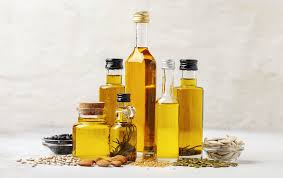
NEW DELHI — In a move that bridges the gap between the kitchen pantry and national security, Prime Minister Narendra Modi has issued a strategic call for Indian households to reduce edible oil consumption by 10%. This initiative, championed throughout late 2025 and into 2026, aims to address two of India’s most pressing challenges: a burgeoning epidemic of diet-related noncommunicable diseases (NCDs) and a heavy economic reliance on imported vegetable oils. By linking the reduction of “visible fats” with the promotion of millets and natural farming, the government is attempting to pivot the national plate toward a more resilient, heart-healthy future.
A Nation at a Metabolic Crossroads
The health case for trimming oil intake is rooted in a sobering reality. India is currently witnessing a “metabolic transition” where traditional undernutrition persists alongside a sharp rise in obesity. According to data from the National Family Health Survey (NFHS-5) and recent 2025 briefs from the Press Information Bureau (PIB), obesity rates—once considered a “rich man’s problem”—are climbing across all socio-economic strata.
The ICMR-INDIAB study, a landmark nationally representative survey, recently highlighted a widespread prevalence of metabolic risk factors, including hypertension and abdominal obesity. Because oils are the most calorie-dense component of the human diet—providing approximately 9 calories per gram—excessive use in deep-frying and “tadkas” (tempering) significantly contributes to a caloric surplus that leads to weight gain.
“We are seeing a shift where calorie-dense, nutrient-poor diets are becoming the norm,” says Dr. Aranya Sen, a public health researcher (not involved in the policy drafting). “A 10% reduction might seem small at the individual level, but across a population of 1.4 billion, it represents a massive shift in the collective metabolic burden.”
The Policy Pulse: Health Meets Self-Reliance
The government’s “10% push” is not a mandate or a ban, but a behavioral “nudge.” It functions as part of a broader agricultural and economic strategy managed by the Department of Food and Public Distribution and NITI Aayog.
India remains one of the world’s largest importers of vegetable oils, primarily palm, soybean, and sunflower oil. By slowing the growth of domestic demand, the policy aims to:
-
Enhance Edible Oil Self-Sufficiency: Complementing the National Mission on Edible Oils – Oil Palm (NMEO-OP) to boost domestic oilseed production.
-
Promote “Natural Farming”: Encouraging agricultural practices that reduce chemical inputs, which the government links to better long-term soil health and food quality.
-
Mainstream Millets: Reintroducing ancient grains (Shree Anna) as fiber-rich alternatives to refined carbohydrates, which can help mitigate the insulin spikes often exacerbated by high-fat diets.
Understanding the “Fat Gap”
Current guidelines from the ICMR-National Institute of Nutrition (NIN) suggest that a healthy adult should consume between 20 to 40 grams of “visible fat” (the oil you pour from a bottle) per day, depending on their physical activity level. However, many urban Indian diets far exceed this, especially when “invisible fats” from snacks, dairy, and processed foods are factored in.
The World Health Organization (WHO) maintains strict benchmarks for fat intake to prevent unhealthy weight gain:
-
Total Fat: Should not exceed 30% of total energy intake.
-
Saturated Fats: Should be less than 10%.
-
Trans Fats: Should be less than 1% (essentially eliminated).
Medical experts emphasize that the quality of oil is just as vital as the quantity. While the 10% reduction focuses on volume, cardiologists urge consumers to prioritize unsaturated fats (like those found in mustard, groundnut, or rice bran oil) over saturated fats (like palm oil or vanaspati).
Expert Commentary: Balance Over Restriction
While the medical community largely welcomes the initiative, experts caution against demonizing fats entirely.
“Fats are essential macronutrients,” explains Dr. Meera Deshmukh, a senior clinical nutritionist. “They are required for the absorption of fat-soluble vitamins like A, D, E, and K, and they provide essential fatty acids that the body cannot produce on its own. The goal shouldn’t be zero oil, but ‘mindful oil.'”
Experts also point out a significant communication hurdle: the “reheating” problem. In many Indian households and street-food stalls, oil is reused multiple times for frying. This process creates trans-fats and toxic compounds. Public health advocates argue that the 10% reduction message should be paired with education on the dangers of oil degradation.
Limitations and Counterarguments
Critics of the policy suggest that a 10% reduction in household cooking oil may not be enough to move the needle on obesity if the consumption of ultra-processed foods continues to rise. “You can cut 10% of the oil in your home-cooked dal, but if you eat one packet of highly processed chips, you’ve negated those gains,” says a public health analyst.
Furthermore, there is no single randomized controlled trial proving that a 10% reduction in visible oil alone will reverse obesity rates. Most experts agree that obesity is a multi-factorial issue requiring:
-
Clearer front-of-pack labeling (FOPL) on packaged foods.
-
Increased urban infrastructure for physical activity.
-
Subsidies for healthier food options like pulses and millets.
Practical Steps for Consumers
For the average reader, the “10% push” can be translated into simple, daily habits:
-
Measure, Don’t Pour: Use a tablespoon to measure oil for cooking instead of pouring directly from the bottle.
-
Alternative Cooking Methods: Adopt steaming, pressure cooking, or air-frying for traditional dishes.
-
The Millet Switch: Replace at least one meal of refined rice or wheat with millets (Bajra, Jowar, Ragi). Their high fiber content promotes satiety, meaning you feel full longer and are less likely to overeat.
-
Watch the “Invisible”: Be mindful of fats in biscuits, namkeens, and bakery items, which often contain hidden saturated fats.
Reference Section
- https://health.economictimes.indiatimes.com/news/policy/modi-pitches-10-cut-in-edible-oil-use-pushes-natural-farming-and-millets/130295900?utm_source=latest_news&utm_medium=homepage
Medical Disclaimer: This article is for informational purposes only and should not be considered medical advice. Always consult with qualified healthcare professionals before making any health-related decisions or changes to your treatment plan. The information presented here is based on current research and expert opinions, which may evolve as new evidence emerges.