 0
0
 0
0
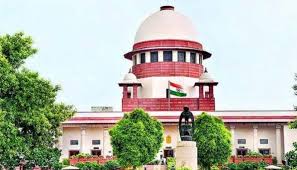
NEW DELHI — The Supreme Court of India on July 15, 2026, dismissed a public interest litigation (PIL) petition challenging the National Testing Agency’s (NTA) decision to cancel the May 3 National Eligibility-cum-Entrance Test for Undergraduates (NEET-UG) 2026 paper and hold a nationwide re-test. The division bench termed the legal challenge “infructuous” because the re-examination has already been completed and results are actively pending. The landmark ruling effectively clears the final major legal hurdle for more than 2.2 million registered medical aspirants, allowing the highly anticipated counselling and seat allocation processes for undergraduate medical and dental seats to begin across the country without further interruption.
The Legal Turning Point
The bench, comprising Justices P.S. Narasimha and Alok Aradhe, declined the petition seeking to block the re-test on the grounds that the matter no longer survives practical intervention. Because the NTA had already administered the re-examination on June 21, 2026, the court noted that the petition’s primary objective—to halt the second exam—had been rendered moot by the passage of events.
Earlier hearings this summer saw intense legal debates, including separate pleas from student groups and advocates seeking an immediate shift to a computer-based test (CBT) format for the re-examination to eliminate paper-handling vulnerabilities. However, the apex court had previously refused urgent hearings on those specific requests and declined to mandate an electronic format, ultimately allowing the traditional pen-and-paper OMR re-test to proceed as scheduled.
By utilizing the legal term “infructuous,” the Supreme Court highlighted a fundamental judicial principle: when a contested action has already been executed, an injunction seeking to prevent it loses its practical utility. For the broader educational and healthcare systems, this dismissal carries immense weight. It completely removes the immediate risk of a legal stay that could have paralyzed the admissions calendar, providing much-needed clarity for millions of anxious households waiting on result tabulations.
Context and Background: A Summer of Uncertainty
NEET-UG serves as India’s highly competitive, single-window national entrance test for admission to Bachelor of Medicine, Bachelor of Surgery (MBBS), Bachelor of Dental Surgery (BDS), and other undergraduate medical courses. The exam dictates the trajectory of medical education and public healthcare staffing across the nation.
This year’s cycle was thrown into unprecedented turmoil when the initial nationwide test on May 3, 2026, was cancelled following credible allegations of systemic paper leaks and institutional compromises. Recognizing the threat to exam integrity, the NTA ordered a sweeping, nationwide re-examination on June 21, forcing over 2.2 million students to undergo testing a second time.
The cancellation reignited fierce nationwide debates regarding test security, structural oversight, and whether high-stakes examinations of this magnitude should permanently transition away from the OMR pen-and-paper format toward secure digital testing platforms—a shift that proponents argue would drastically reduce physical supply chain leaks.
Expert Perspectives: Stability vs. Structural Reform
While the ruling brings immediate logistical relief, experts within the medical and educational spheres view it as a double-edged sword that solves structural timelines but leaves foundational vulnerabilities unaddressed.
Dr. Rakesh Mehra, an education policy researcher who has closely monitored the litigation, emphasized the dual nature of the decision:
“The Supreme Court’s ruling reduces short-term uncertainty for candidates and institutions, which is a massive relief for academic calendars. However, it does not resolve the longer-term questions about testing security, data integrity, and institutional governance that continue to hover over medical admissions in India.”
From a healthcare delivery standpoint, delays in the academic calendar create a dangerous domino effect that extends far beyond the classroom. Dr. Anita Kulkarni, a practicing physician and veteran medical educator, explained the direct correlation between timely admissions and hospital operations:
“Timely completion of medical counselling is absolutely critical to maintaining teaching hospital staffing and standard academic timelines. If the first-year medical batch is delayed by months, it disrupts residency cycles, places additional burdens on junior doctors, and eventually impacts community health programs. While this clearance allows us to move forward, absolute transparency in the upcoming result processing and seat allocation will be essential to sustain public trust.”
Public Health Implications and Healthcare Continuity
The Supreme Court’s decision directly influences two vital components of India’s healthcare infrastructure:
-
Operational Continuity: Medical colleges operate on tight, interconnected schedules. By allowing the NTA and counselling authorities to proceed without judicial pauses, teaching hospitals can maintain steady intake numbers. A prolonged freeze on admissions would threaten the steady pipeline of graduating physicians and dentists, causing downstream staffing shortages in regional healthcare facilities and rural clinics that rely heavily on fresh medical graduates.
-
Systemic Trust and Integrity: The integrity of entrance testing directly correlates with the public’s trust in the quality of the medical workforce. This episode underscores the critical need for sustained structural reforms in test security, independent audit mechanisms for examination bodies like the NTA, and definitive, transparent contingency protocols to protect candidates from localized malpractice.
Institutional Limitations and Equity Concerns
Despite the resolution of the immediate legal impasse, critics note that dismissing a case as infructuous is a technical resolution rather than a substantive exoneration.
Legal analysts point out that this dismissal does not thoroughly adjudicate underlying structural complaints regarding the NTA’s past oversight procedures or the absolute adequacy of the newer security measures implemented prior to the June 21 re-test. These core administrative issues may still face separate investigative scrutiny or future independent litigation.
Furthermore, student advocacy groups have raised severe equity concerns. The compressed timelines, the sudden requirement to re-study under high-stress conditions, and the uneven access to continuous preparation resources—particularly for marginalized or rural students who faced greater financial and emotional strains during the re-test period—remain unaddressed by the court’s technical closure of the petition.
Practical Takeaways for Students and Families
With legal ambiguities set aside, candidates and their support networks must pivot quickly toward the upcoming admissions cycle. Healthcare experts and educational advisors recommend the following immediate steps:
-
Rigorously Monitor Official Portals: Candidates must frequently check the official NTA and relevant counselling authority websites for immediate announcements regarding verified answer keys, final merit lists, and customized counselling schedules to avoid missing critical registration windows.
-
Centralize and Verify Documentation: Ahead of seat allocation, applicants must ensure they possess clean physical and authenticated digital copies of all essential paperwork, including national identity proofs, high school and higher secondary educational certificates, admit cards, and relevant category or quota documentation. Missing paperwork remains a primary cause for automated seat forfeitures during active counselling.
-
Prioritize Mental Health and Support Systems: The emotional strain of preparing for, losing, and repeating a high-stakes exam has caused documented surges in student anxiety. Families are strongly encouraged to monitor candidates for signs of burnout or severe stress. Educational institutions, local health professionals, and dedicated mental health helplines offer confidential support to help students navigate the high-pressure transition into professional medical training.
Reference Section
Legal and Media Citations
-
“Supreme Court rejects plea against NEET-UG 2026 re-test, says matter now infructuous,” Medical Dialogues, July 15, 2026.
Statistical Sources
-
Candidate registration data, institutional metrics, and testing timelines verified via public releases from the National Testing Agency (NTA) and comprehensive tracking data provided by The Hindustan Times and The Times of India.
Medical Disclaimer: This article is for informational purposes only and should not be considered medical advice. Always consult with qualified healthcare professionals before making any health-related decisions or changes to your treatment plan. The information presented here is based on current research and expert opinions, which may evolve as new evidence emerges.