 0
0
 0
0
In the bustling wards of India’s premier medical institutes, the “bedside manner” is often considered the soul of the profession. However, a growing disparity in how future doctors are trained has prompted a high-level call for reform. India’s Parliamentary Standing Committee on Health and Family Welfare has formally urged the government to implement uniform faculty-student and patient-student ratios across all medical colleges.
The committee’s landmark report, presented in February 2024, warns that inconsistent teaching norms are creating a “quality gap” between institutions. While one student might have ample access to supervised clinical cases, another in a different state or private institution may struggle for hands-on experience. The panel argues that if all graduates are expected to meet the same national benchmark for practice, the standards of their training must be equally rigorous and consistent.
The Core of the Crisis: Why Ratios Matter
Medical education is a delicate balance of classroom theory and clinical reality. At its heart are two critical metrics:
-
Faculty-to-Student Ratio: This determines the level of direct supervision a learner receives in labs and wards. Without enough teachers, complex procedures are observed from the back of a crowded room rather than practiced under a mentor’s watchful eye.
-
Patient-to-Student Ratio: This ensures that students encounter a diverse range of medical conditions. Clinical competence is built through repeated exposure to real-world cases—learning to listen to a heart murmur or navigate the nuances of patient history.
The committee’s concern stems from the fact that medical colleges currently operate under varying standards depending on their location, ownership, and resource levels. “The quality of every training seat is vital,” the report suggests, particularly as India scales up its infrastructure. In the 2023-24 academic year, over 1.1 million students qualified for the NEET exam, competing for approximately 100,000 MBBS seats. With such high stakes, ensuring that every seat provides a world-class education is a public health priority.
The Patient Perspective: A Willingness to Teach
A common concern in standardizing patient-student ratios is the comfort of the patients themselves. However, evidence suggests that the “teaching ward” can be a positive environment for those receiving care.
A 2020 study published in PubMed found that 90% of hospitalized patients valued the time they spent with medical students. Furthermore, 78% reported that participating in student teaching actually made them feel happier during their stay. Another study indicated that 83.5% of patients were comfortable with student involvement in bedside teaching, provided their privacy and dignity were respected.
“Patient participation is the cornerstone of clinical empathy,” says one veteran educator. “When students are integrated into the care team under proper supervision, patients often feel they are receiving more thorough attention, while students learn the human side of medicine.”
Expert Insights: Beyond the Numbers
While the committee focuses on ratios, experts emphasize that “paper compliance” is not enough. Dr. Sandeep Budhiraja, Group Medical Director at Max Healthcare (who was not involved in the committee report), has previously noted that the quality of medical education depends on a “functioning ecosystem.” This includes not just the number of beds or teachers, but the actual clinical load and the quality of supervision.
The Parliamentary Committee echoed this sentiment, highlighting the persistent issue of “ghost faculty”—teachers who exist on paper to satisfy inspections but are not present to teach. To combat this, the panel recommended:
-
A national institute dedicated to training medical teachers.
-
Digital reporting systems allowing students to report low faculty attendance.
-
Upskilling programs to ensure that veteran doctors remain effective educators.
Public Health and the “Safety Dividend”
The implications of these reforms extend far beyond the classroom. For the general public, uniform teaching ratios are a matter of patient safety.
“A doctor who has had 500 hours of supervised clinical interaction is fundamentally different from one who has had 50,” notes the report summary. By standardizing training, the government aims to ensure that whether a patient is treated in a rural clinic or an urban specialty hospital, the quality of care remains high. Better-trained graduates translate into fewer clinical errors, better communication, and a more resilient healthcare system.
| Key Metric | 2023-24 Context | Importance |
| MBBS Seats | ~100,000 | Direct impact on doctor-to-population ratio. |
| NEET Qualifiers | 1.1 Million+ | High demand necessitates high-quality standards. |
| PG Seats | ~68,000 | Specialized training requires even tighter ratios. |
Challenges to Implementation
Despite the clear benefits, the path to uniformity faces hurdles. A “one-size-fits-all” approach may be difficult to implement in remote or newly established colleges. The committee acknowledged this, suggesting that while the standard of education must be uniform, the application should allow for region-specific flexibility.
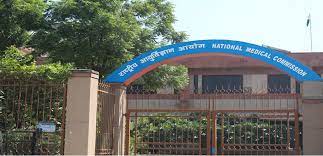
For instance, a rural college might have a different case mix than an urban center. The challenge for the National Medical Commission (NMC) will be to create guidelines that are strict enough to ensure quality but flexible enough to accommodate local resource realities.
What This Means for You
For aspiring medical students and their families, these recommendations suggest that the value of a medical degree should be judged by more than just the name of the college. Prospective students should look for institutions that prioritize faculty availability and clinical exposure.
For the average citizen, this reform is a promise of better care. As India continues to expand its medical footprint, the focus is shifting from quantity—simply producing more doctors—to quality—producing doctors who are ready to lead, heal, and care with confidence.
Medical Disclaimer: This article is for informational purposes only and should not be considered medical advice. Always consult with qualified healthcare professionals before making any health-related decisions or changes to your treatment plan. The information presented here is based on current research and expert opinions, which may evolve as new evidence emerges.
References
- https://medicaldialogues.in/news/education/ensure-uniformity-in-faculty-student-patient-student-ratios-across-all-medical-institutes-parliamentary-panel-168632