 0
0
 0
0
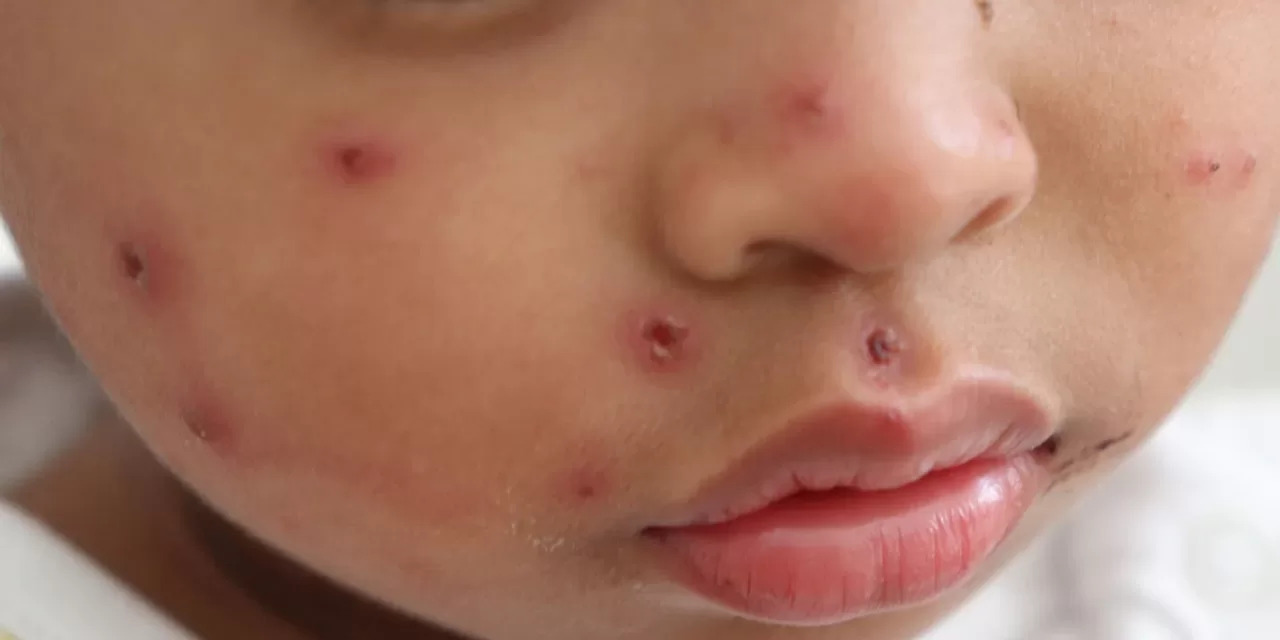
COLUMBIA, S.C. — The South Carolina Department of Public Health (DPH) confirmed on February 10, 2026, that the state’s ongoing measles outbreak has reached 933 confirmed cases. This surge, centered in the Upstate region around Spartanburg County since October 2025, represents the largest single measles outbreak in the United States in over three decades. While the rate of new infections appears to be slowing, health officials warn that low vaccination pockets continue to fuel the spread, prompting an aggressive mobile immunization campaign.
Outbreak Timeline and the Scale of the Surge
The current crisis began on October 2, 2025, when the first cases were identified in the northwestern corner of the state, primarily involving Greenville and Spartanburg counties. The virus found fertile ground in communities with lower-than-average immunization rates, leading to a rapid escalation.
By mid-January 2026, the tally stood at 434 cases; it jumped to 700 by late January and has now reached 933 as of the latest update. To put this in perspective, South Carolina accounts for the vast majority of the 733 national cases reported to the CDC as of February 5, 2026.
The most recent data, however, offers a glimmer of hope. DPH reported 13 new cases since the last update, a significant drop from the 44 new cases reported on February 6. State epidemiologist Dr. Linda Bell noted during a press briefing that this slowdown is directly tied to a surge in public participation in vaccination clinics.
Currently, 235 individuals remain in quarantine and six are in isolation. While no deaths have been reported in South Carolina during this specific outbreak, the 2025 national data recorded three fatalities, reminding officials of the potential stakes.
The Vaccination Gap: Demographics and Risks
The profile of the outbreak underscores the protective power of the Measles, Mumps, and Rubella (MMR) vaccine. Of the 933 confirmed cases, 859 occurred in unvaccinated individuals. * Unvaccinated: 859 cases
-
Partially Vaccinated (One dose): 20 cases
-
Fully Vaccinated (Two doses): 25 cases
-
Unknown Status: 29 cases
Children aged 5–17 make up approximately two-thirds of the cases, followed closely by children under age five. Nationally, the CDC reports that 95% of 2026 cases involve people who are either unvaccinated or have an unknown status.
Public health experts point to a decline in “herd immunity” as the primary driver. For a community to be protected against a virus as contagious as measles, at least 95% of the population must be vaccinated. While South Carolina’s state-wide kindergarten MMR coverage is 91.2%, some specific schools in Spartanburg have reported rates as low as 20%.
Expert Perspectives: Why Measles is Different
“Measles is the most contagious virus known to man,” says Dr. Paul Offit, a pediatrician and vaccine expert at Children’s Hospital of Philadelphia. “In a susceptible community, one person can infect up to 18 others. Because it is airborne, the virus can linger in a room for up to two hours after an infected person has left.”
Dr. Offit, who is not involved in the South Carolina response, emphasized that while “breakthrough” cases in vaccinated people do occur (about 4% nationally), they are rare and typically result in much milder illness.
Dr. William Schaffner, an infectious disease specialist at Vanderbilt University Medical Center, adds that the South Carolina situation reflects a broader national trend. “The U.S. saw 2,276 cases in 2025—the worst year since 1992. We lost our ‘measles elimination’ status because of these sustained outbreaks. Boosting coverage back above that 95% threshold is the only way to end this quickly.”
Public Health Response and Practical Implications
In response to the crisis, the DPH has deployed mobile vaccine units across the Upstate. These efforts have yielded results: Spartanburg County saw a 162% increase in immunizations in January 2026 compared to the previous year. State-wide, over 16,800 doses have been administered, a 72% jump.
For residents, the DPH and CDC offer the following guidance:
-
Check Status: Ensure children have completed the two-dose MMR series (usually given at age 1 and age 4–6).
-
Adult Immunity: Adults born after 1957 should have at least one dose of the MMR vaccine unless they have laboratory proof of immunity.
-
Travel Precautions: Measles is often imported by travelers. Ensure you are protected before international or interstate travel.
-
Symptom Awareness: High fever, cough, runny nose, and red eyes typically precede the characteristic rash. If symptoms appear, call your doctor before arriving at the clinic to prevent exposing others in the waiting room.
Challenges and Limitations
Despite the progress, significant challenges remain. Vaccine hesitancy, fueled by post-COVID-19 misinformation, persists in several South Carolina communities. Some parents cite concerns over rare side effects, though medical experts counter that the risk of measles-related complications—such as pneumonia (the most common cause of death in children) and encephalitis (brain swelling)—is far higher.
“The issue is that there are areas, sometimes very localized, where vaccination rates dip so low that the virus can jump from person to person with ease,” Dr. Bell explained. Furthermore, surveillance relies on the onset of a rash, meaning “probable” cases often lag behind confirmed totals, making the true scope of the outbreak difficult to pin down in real-time.
As the state pushes toward the March 5 target for lifting the current quarantines, the focus remains on closing the immunity gaps that allowed the virus to take hold in the first place.
Medical Disclaimer
Medical Disclaimer: This article is for informational purposes only and should not be considered medical advice. Always consult with qualified healthcare professionals before making any health-related decisions or changes to your treatment plan. The information presented here is based on current research and expert opinions, which may evolve as new evidence emerges.
References
Study and Statistical Citations:
-
South Carolina Department of Public Health (DPH). (2026, February 10). 2025-2026 Measles Outbreak Updates. https://dph.sc.gov/
-
Reuters. (2026, February 10). Measles cases in South Carolina rise by 13 to 933.