 0
0
 0
0
February 11, 2026
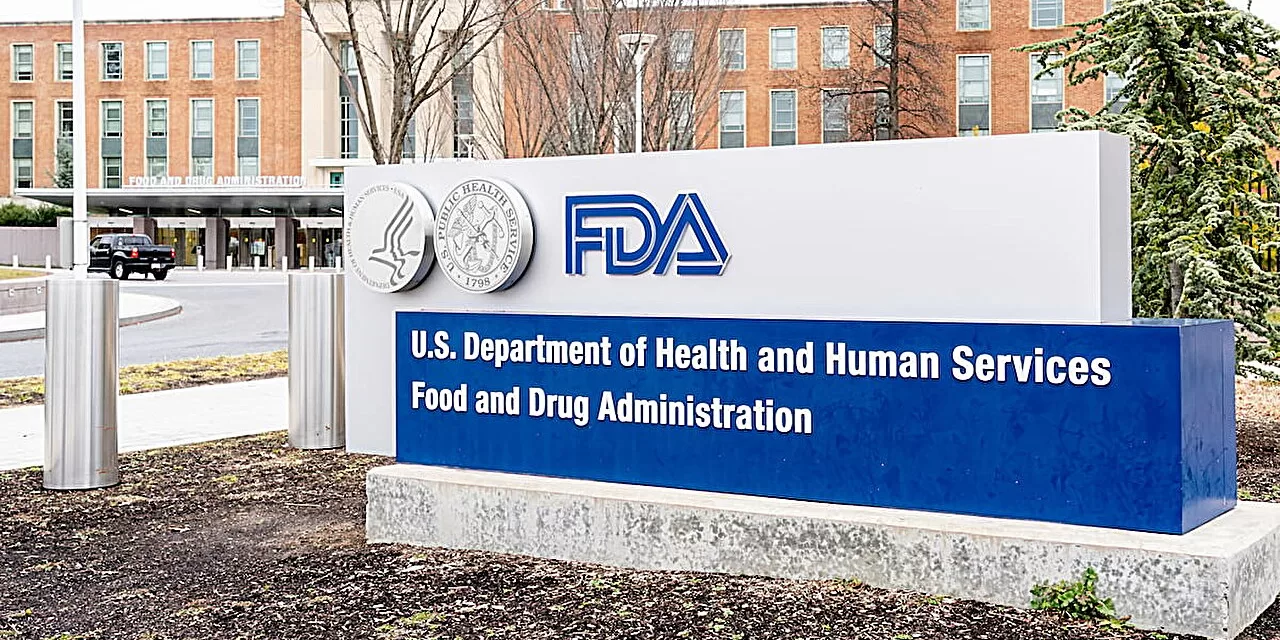
WASHINGTON — In a move that signals a seismic shift in U.S. food safety oversight, the Food and Drug Administration (FDA) announced on February 10, 2026, a formal reassessment of butylated hydroxyanisole (BHA). The synthetic antioxidant, a staple in the American pantry for over 60 years, is now under the microscope due to long-standing concerns regarding its potential as a human carcinogen. This review serves as the flagship initiative of the FDA’s 2026 Human Foods Program, aiming to determine if BHA—currently found in everything from breakfast cereals to sausages—meets modern safety standards for a new generation of consumers.
A Legacy Additive Under New Scrutiny
BHA is a petroleum-derived preservative primarily used to prevent fats and oils from turning rancid. By slowing down the oxidation process, it extends the shelf life of processed foods, ensuring that “fresh-baked” crackers or bagged potato chips don’t develop “off” flavors during months of storage.
Originally granted “Generally Recognized as Safe” (GRAS) status in 1958, BHA is currently limited by federal law to 0.02% of a product’s fat or oil content. However, the chemical’s ubiquity in the modern diet has raised alarms about “cumulative exposure.” While a single serving of cereal may contain a negligible amount, health advocates point out that children, in particular, may consume BHA across multiple snacks and meals throughout the day.
Where You’ll Find BHA:
-
Breakfast Favorites: Fortified cereals and dehydrated potatoes.
-
Snack Foods: Potato chips, crackers, and chewing gum.
-
Meats: Sausages, pepperoni, and active-dry yeast.
-
Beyond the Plate: Food packaging (where it migrates into food), cosmetics, and pharmaceuticals.
The Core of the Controversy: Animal Studies vs. Human Risk
The tension surrounding BHA is not new. For decades, the National Toxicology Program (NTP) has classified BHA as “reasonably anticipated to be a human carcinogen.” This classification stems from 1980s research showing that high doses of BHA consistently caused tumors in the forestomachs of rats, hamsters, and mice.
Critics of the current regulations, such as the Center for Science in the Public Interest (CSPI), argue that even if humans lack a forestomach, the biological mechanism of tumor promotion remains a significant red flag. Conversely, industry proponents argue that the doses used in these rodent studies were “massive”—often thousands of times higher than what any human would consume in a lifetime.
“Reassessing legacy additives like BHA with today’s toxicology tools is long overdue,” says Dr. Laura Vandenberg, an environmental health researcher at the University of Massachusetts Amherst. “While animal data warrants caution, we must use modern modeling to bridge the gap between rodent forestomachs and human biology.”
A New Era of Food Safety
The review is part of a broader 2026 overhaul led by FDA Commissioner Marty Makary, who emphasized a “decisive action” approach to food chemistry. The initiative also aims to evaluate other controversial substances like BHT (butylated hydroxytoluene) and phthalates.
Health and Human Services Secretary Robert F. Kennedy Jr. characterized the move as “the end of the ‘trust us’ era.” Under the new framework, the FDA is inviting manufacturers, toxicologists, and the public to submit data until mid-2026. The goal is simple: if the data does not support safety under modern, rigorous standards, the additive will be phased out.
| Agency/Organization | Status of BHA |
| U.S. FDA | Under active safety reassessment (2026) |
| National Toxicology Program (NTP) | Reasonably anticipated to be a human carcinogen |
| California (Prop 65) | Listed as a known carcinogen |
| European Union | Permitted, but with stricter limit thresholds than the U.S. |
Expert Perspectives: A Divided Field
The scientific community remains split on whether BHA poses a genuine threat at current consumption levels.
The Precautionary View:
“BHA promotes tumors even without direct DNA damage,” says Lisa Lefferts, a senior scientist at CSPI. “In an era where safer, natural alternatives like tocopherols (Vitamin E) and rosemary extract are readily available and effective, there is no reason to keep a suspected carcinogen in our food supply.”
The Dose-Response View:
Dr. Thomas Buckley, a food safety toxicologist at Johns Hopkins University, suggests the risk is overstated. “Decades of monitoring have not shown a clear link between BHA and human cancer at approved levels. Equating a rat eating 2% of its body weight in BHA to a human eating a handful of chips is scientifically tenuous.”
What This Means for Consumers
While the FDA review is underway, no immediate recalls have been ordered. BHA remains legal and widely used. However, for those looking to reduce their exposure, experts suggest several practical steps:
-
Read the Labels: In the U.S., BHA must be listed on the ingredient deck. In Europe, it is often labeled as E320.
-
Seek “Preservative-Free”: Many organic and health-focused brands have already swapped BHA for natural antioxidants.
-
Whole Foods Over Processed: Reducing intake of ultra-processed snacks and pre-packaged meats naturally limits exposure to most synthetic additives.
Potential Economic Impact
Should the FDA move toward a ban, the food industry may face significant reformulation costs. Replacing synthetic antioxidants with natural ones can sometimes shorten shelf life or increase the price of goods. However, public health advocates argue that the long-term savings in healthcare costs and the benefit to vulnerable populations, such as children, far outweigh these industrial hurdles.
The Road Ahead
The FDA’s Request for Information (RFI) will remain open until June 2026. Following the comment period, the agency is expected to issue a final determination on BHA’s “GRAS” status by the end of the year. This decision could redefine the American grocery aisle, potentially triggering a domino effect for other long-standing food chemicals.
As science evolves, the definition of “safe” is shifting from “not immediately toxic” to “no long-term chronic risk.” The BHA review is the first major test of this new standard.
References
-
Bloomberg Law. (2026). “FDA Launches Safety Review of Synthetic Food Preservative BHA.” [Link]
Medical Disclaimer: This article is for informational purposes only and should not be considered medical advice. Always consult with qualified healthcare professionals before making any health-related decisions or changes to your treatment plan. The information presented here is based on current research and expert opinions, which may evolve as new evidence emerges.