 0
0
 0
0
Wednesday, May 6, 2026
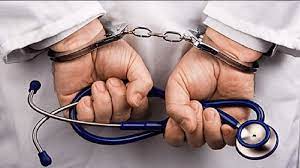
PAWAPURI, BIHAR — In a high-stakes operation just hours before the nation’s most critical medical entrance exam, Nalanda police intercepted a sophisticated “solver gang” operation, arresting three individuals—including a second-year medical student. The crackdown, which took place on the evening of May 2, underscores the persistent vulnerabilities in India’s medical admissions process and has reignited urgent discussions regarding the long-term impact of academic malpractice on the quality of the nation’s future healthcare workforce.
The Midnight Crackdown: A System Under Siege
The arrests occurred during a routine security sweep on Pawapuri Road, a region already under heightened vigilance due to Bihar’s history with exam irregularities. Police stopped two suspicious vehicles, leading to the apprehension of Avdhesh Kumar, 31, a second-year MBBS student at Bhagwan Mahavir Institute of Medical Sciences (BMIMS), along with accomplices Aman Kumar Singh, 23, and Pankaj Kumar Sah, 25.
Authorities recovered Rs 2 lakh in cash and mobile devices containing digital footprints of a sprawling network. The evidence included fake admit cards and transaction logs suggesting that families were being charged upwards of Rs 25 lakh to secure a “solver”—a qualified surrogate who sits for the exam in place of the candidate.
Rajgir Deputy Superintendent of Police (DSP) Sunil Kumar Singh confirmed that the operation successfully neutralized threats to at least three exam centers in the Nalanda district. While the immediate threat was contained, the primary kingpin, Ujjwal Raj (alias Raja Babu), another medical student from the 2022 batch, remains at large, highlighting the organized, “insider” nature of these rackets.
The High Stakes of NEET-UG
The National Eligibility cum Entrance Test (NEET-UG) is the sole gateway for over 20 lakh aspirants vying for approximately 1 lakh seats across India’s medical, dental, and AYUSH colleges. This staggering ratio—nearly 20 applicants for every one seat—creates a pressure cooker environment where merit often battles desperation.
| NEET-UG 2026 Snapshot | Figures |
| Total Aspirants | 20+ Million |
| Available MBBS/BDS Seats | ~105,000 |
| Suspected Cost of “Solvers” | Rs 20–50 Lakh |
| Legal Penalty for Malpractice | Up to Rs 1 Crore fine & Jail |
The 2026 exam cycle was meant to be a showcase of the National Testing Agency’s (NTA) improved security, featuring advanced biometrics and AI-monitored surveillance. Yet, as this bust proves, human ingenuity often finds ways to bypass technological barriers through impersonation rather than technical leaks.
Expert Perspectives: Why Ethics Matter Before the Residency
Medical ethics experts warn that the involvement of current medical students in these rackets is particularly corrosive to the profession.
“This arrest of an MBBS student exposes how insiders undermine the system they benefit from,” says Dr. Sanjay Nagral, a Mumbai-based surgeon and medical ethics expert. “Solvers—often qualified students—charge exorbitant fees, displacing meritorious candidates and eroding trust in medical admissions. It creates a cycle where wealth, not skill, dictates who gets to wear the white coat.”
The public health implications are equally grim. Dr. Meenakshi Jain, a prominent educationist, emphasizes that cheating in medical exams is not a victimless crime. “Impersonation risks unqualified individuals entering a rigorous field. If a student cannot pass an entrance exam honestly, their ability to handle the complexities of human life during a surgical residency or a public health crisis is deeply suspect,” Jain warns.
Public Health: The Quality of Care at Risk
India currently faces a doctor-patient ratio of approximately 1:834, according to recent estimates aligned with WHO standards. While the government aims to increase the number of medical seats to 1.5 lakh by 2027, experts argue that quantity must not come at the expense of quality.
The Ripple Effect of Academic Fraud
-
Clinical Competency: Students who bypass the rigors of competitive entry may lack the foundational knowledge required for medical school, potentially leading to diagnostic errors later in their careers.
-
Psychological Toll: For the millions of honest aspirants, these scandals lead to “exam fatigue” and a loss of faith in the national meritocracy, often driving top talent to seek education abroad.
-
Economic Inequity: With solver fees reaching eight times the annual income of an average Indian household, these rackets ensure that medical education remains an elitist stronghold, further widening the gap in healthcare representation for rural and marginalized communities.
Challenges in Enforcement and the Path Forward
Despite the implementation of “The Public Examinations (Prevention of Unfair Means) Act,” which imposes life-changing fines and imprisonment, dismantling these networks remains a game of cat-and-mouse.
Dr. Priya Nair, a public health specialist at AIIMS Delhi, suggests that while policing is necessary, it is insufficient. “Recurrent cheating reflects systemic issues like poverty-driven desperation and the extreme scarcity of seats. We need a multi-pronged approach: AI-driven proctoring to detect impersonation in real-time, coupled with faster CBI probes to de-incentivize the financial backers of these gangs.”
The National Medical Commission (NMC) issued fresh guidelines in April 2026, urging medical colleges to conduct “ethical sensitization” programs. The goal is to remind students like Avdhesh Kumar that their involvement in such rackets doesn’t just end their careers—it jeopardizes the sanctity of the entire healthcare system.
As the investigation expands into the Muzaffarpur and Vaishali districts, the message from the NTA remains one of “zero tolerance.” However, for the millions of students who sat for the exam on May 3, the shadow of the Nalanda bust serves as a stark reminder that the journey to becoming a doctor in India remains as much a test of character as it is of intelligence.
References
-
Free Press Journal. (2026, May 4). Nalanda Police Bust NEET Cheating Racket: Three Arrested Including MBBS Student. Link
-
Times of India. (2026, May 4). NEET ‘solver gang’ busted in Nalanda, 3 held. Link
Medical Disclaimer: This article is for informational purposes only and should not be considered medical advice. Always consult with qualified healthcare professionals before making any health-related decisions or changes to your treatment plan. The information presented here is based on current research and expert opinions, which may evolve as new evidence emerges.