 0
0
 0
0
Published: May 6, 2026
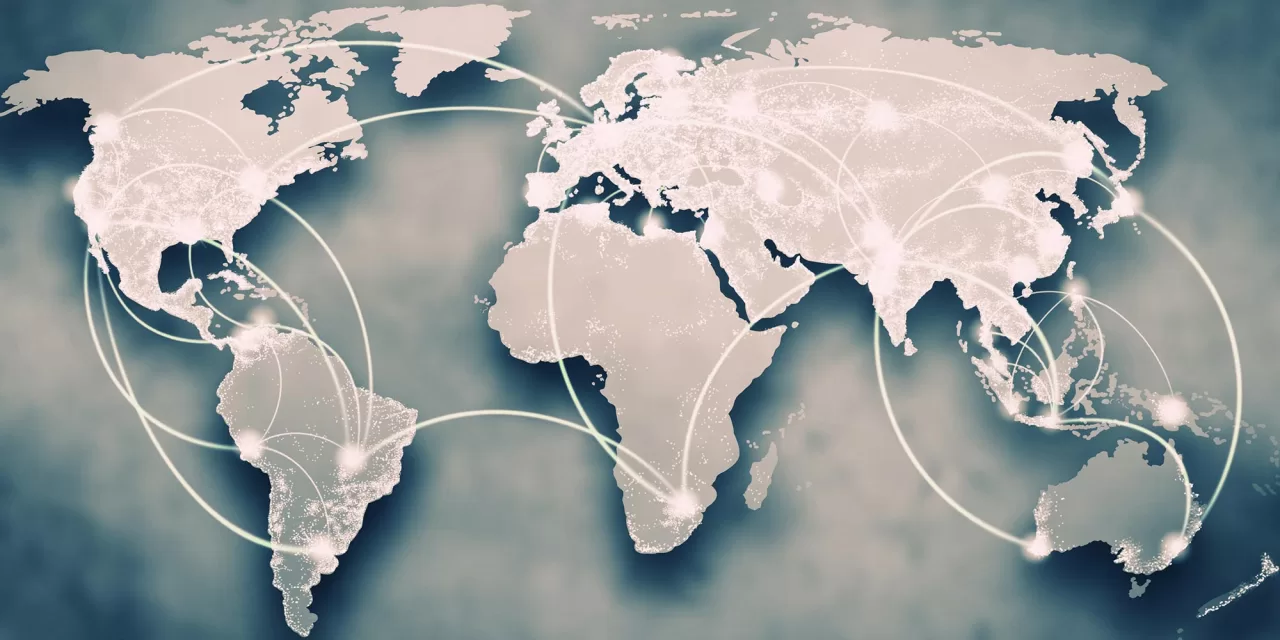
In a world where a virus can cross an ocean in less than 24 hours and chronic lifestyle diseases account for 74% of all deaths globally, the infrastructure of human safety is often invisible until it is tested. A comprehensive analysis released on May 4, 2026, underscores a vital reality: our global health security is not a monolith, but a sophisticated, interconnected web maintained by seven pivotal agencies. From the high-tech laboratories of the American NIH to the field-operations of the World Health Organization (WHO), these institutions serve as the world’s early warning system and its primary defense against the biological and systemic threats of the 21st century.
1. World Health Organization (WHO): The Global Conductor
Founded in 1948 as a specialized agency of the United Nations, the WHO remains the only organization with the mandate to coordinate international health work. With 194 member states and headquarters in Geneva, it acts as the “brain” of global health policy.
The WHO’s impact is most visible in its historical triumphs, such as the total eradication of smallpox in 1980. Today, its mission has expanded to include the “Triple Billion” targets: one billion more people enjoying better health and well-being, one billion more protected from health emergencies, and one billion more enjoying universal health coverage.
“We connect nations to promote health for all,” says Dr. Tedros Adhanom Ghebreyesus, WHO Director-General. “Our role is to ensure that no country, regardless of its wealth, is left to face a pandemic or a health crisis alone.”
While the WHO faced criticism during the early stages of COVID-19 regarding geopolitical pressures, its role in facilitating the COVAX initiative proved essential for vaccine equity in developing nations.
2. Centers for Disease Control and Prevention (CDC): The Watchdog
While the CDC is a national agency under the U.S. Department of Health and Human Services, its reach is profoundly global. Established in 1946 to combat malaria, the CDC has evolved into the world’s premier center for epidemiologic research.
The CDC’s “boots-on-the-ground” approach—sending elite “Disease Detectives” (Epidemic Intelligence Service officers) to the source of outbreaks—has been instrumental in containing Ebola in West Africa and monitoring avian flu strains. Its lab networks provide the “gold standard” protocols used by hospitals worldwide to identify new pathogens.
3. UNICEF: The Guardian of the Vulnerable
Public health is not merely about treating disease; it is about ensuring the next generation survives to adulthood. The United Nations Children’s Fund (UNICEF) operates in over 150 countries, focusing on the social determinants of health: nutrition, clean water, and maternal care.
UNICEF is the world’s largest buyer of vaccines, reaching nearly half of the world’s children with life-saving immunizations annually. By integrating health with education and crisis response, UNICEF ensures that children in conflict zones or impoverished regions receive the same basic health protections as those in developed urban centers.
4. National Institutes of Health (NIH): The Innovation Engine
If the WHO is the conductor and the CDC is the watchdog, the NIH is the laboratory. As the primary agency of the U.S. government responsible for biomedical and public health research, the NIH invests billions of dollars into the “how” and “why” of disease.
From the mapping of the human genome to the development of mRNA technology used in recent vaccines, the NIH provides the raw scientific data that other agencies use to create policy. Its influence extends globally through grants that fund researchers in every corner of the world, fostering a global community of scientific inquiry.
5. National Centre for Disease Control (NCDC): India’s Strategic Backbone
In a nation of 1.4 billion people, disease surveillance is a monumental task. India’s NCDC, with roots dating back to 1909, serves as the nerve center for monitoring outbreaks of dengue, tuberculosis, and zoonotic diseases.
Through the Integrated Disease Surveillance Programme (IDSP), the NCDC tracks health trends across diverse climates and populations. “NCDC’s vigilance prevents local outbreaks from becoming national disasters,” notes an Indian public health specialist. By providing decentralized lab support, the agency allows for rapid response in rural areas where healthcare infrastructure may be thin.
6. UK Health Security Agency (UKHSA): The Prevention Specialist
Following the restructuring of Public Health England (PHE), the UKHSA (working within the NHS framework) has emerged as a leader in health security and prevention. Its primary focus is on protecting the population from infectious diseases and environmental hazards.
The UK’s model is unique for its seamless integration of public health data with a nationalized clinical care system (the NHS). This allows for highly effective vaccination campaigns and screening programs—such as for cervical cancer or cardiovascular risk—that serve as blueprints for national health systems globally.
7. Food and Drug Administration (FDA): The Gold Standard of Safety
The U.S. FDA regulates more than $2.4 trillion worth of food, drugs, and medical devices. While it is a domestic agency, its rigorous approval process is often viewed as the global benchmark.
When the FDA approves a new medication or issues a safety recall on a contaminated food product, the ripple effects are felt in international markets. By enforcing strict standards on clinical trials and manufacturing, the FDA ensures that the tools of modern medicine are both safe and effective before they reach the patient.
The Interconnected Reality: Why It Matters to You
These seven agencies do not operate in silos. When a new respiratory virus is detected in a local market, the sequence is often a rapid-fire relay:
-
NCDC or CDC detects the anomaly through surveillance.
-
NIH begins analyzing the genetic structure.
-
WHO declares a global concern and coordinates international travel and safety protocols.
-
FDA fast-tracks the review of diagnostics and treatments.
-
UKHSA implements national screening and prevention strategies.
-
UNICEF ensures the eventual treatment or vaccine reaches the world’s most remote children.
For the average citizen, this network is the reason your food is safe, your vaccines work, and your travel is monitored for safety. However, the system faces significant hurdles. Funding gaps, “vaccine nationalism,” and the spread of misinformation remain persistent threats to this collective security.
As we move further into 2026, the evolution of digital surveillance and AI-driven predictive modeling offers hope for even faster responses. But as history has shown, the strength of global health depends less on the technology and more on the continued cooperation between these seven vital sentinels.
Medical Disclaimer: This article is for informational purposes only and should not be considered medical advice. Always consult with qualified healthcare professionals before making any health-related decisions or changes to your treatment plan. The information presented here is based on current research and expert opinions, which may evolve as new evidence emerges.
References
-
NDTV Health. (2026, May 4). 7 Global Public Health Agencies And What They Actually Do. https://www.ndtv.com/health/7-global-public-health-agencies-and-what-they-actually-do-11452532