 0
0
 0
0
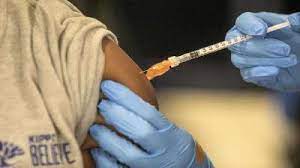
KARACHI, PAKISTAN — In a major breakthrough for urban public health infrastructure, the World Health Organization (WHO) and the Sindh Health Department officially inaugurated Pakistan’s first 24/7 Expanded Programme on Immunization (EPI) Model Centre on June 15, 2026. Located at the National Institute of Child Health (NICH) in District South, Karachi, this pioneering facility is strategically designed to provide round-the-clock, year-round immunization services to an estimated 2.5 million residents in one of the country’s most densely populated urban sectors. The initiative specifically targets historically underserved populations, including working families, “defaulter” children who missed follow-up doses, and “zero-dose” children who have never received a single vaccine.
Expanding the Frontlines of Urban Immunization
The establishment of the NICH model centre marks a structural evolution in how routine immunization is delivered in Pakistan’s mega-cities. By operating 24 hours a day, seven days a week, the facility eliminates the rigid scheduling barriers that frequently force low-income and working-class parents to choose between a day’s wages and their children’s health.
According to public health data, the centre provides comprehensive, integrated immunization services that extend well beyond standard infant care. The facility’s medical mandate includes:
-
Routine EPI Vaccinations: Full immunization courses protecting children against 12 deadly, vaccine-preventable childhood diseases, including tuberculosis, diphtheria, pertussis, tetanus, hepatitis B, Haemophilus influenzae type b, pneumococcal diseases, rotavirus diarrhea, rubella, and measles.
-
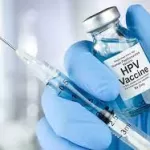
Adolescent Oncology Prevention: Human Papillomavirus (HPV) vaccinations tailored for eligible young girls between the ages of 9 and 14.
-
Maternal Healthcare Integration: Tetanus-diphtheria (Td) vaccinations for eligible women of childbearing age.
-
Active Disease Surveillance: Comprehensive Vaccine-Preventable Disease (VPD) tracking to catch early warning signs of localized outbreaks.
-
Safety Monitoring: A dedicated framework for evaluating and managing Adverse Events Following Immunization (AEFI) to ensure strict clinical safety oversight.
Collaborative Governance and Expert Perspectives
The round-the-clock facility was realized through a robust public-private-international coalition. The Sindh Government collaborated closely with a consortium of international development partners, including the WHO, the United Nations Children’s Fund (UNICEF), Gavi (the Vaccine Alliance), and the Bill & Melinda Gates Foundation (BMGF).
Inaugurating the facility, Dr. Azra Fazal Pechuho, Sindh Minister for Health and Population Welfare, emphasized that institutional flexibility is critical to modern healthcare delivery.
“The newly established EPI Model Center will provide immunization services round the clock, seven days a week,” Dr. Pechuho stated during the opening ceremony. “This collaborative model directly addresses the logistical realities of working families and vulnerable communities who simply cannot access clinics during standard business hours.”
Independent public health experts have noted that the success of the initiative hinges on this shift in delivery philosophy. By embedding the vaccination infrastructure within NICH—a premier, highly trafficked tertiary care pediatric hospital—the program capitalizes on existing patient traffic, capturing children who enter the hospital for unrelated ailments but lack up-to-date immunizations.
Context: Bridging the Immunization Gap
Pakistan’s Expanded Programme on Immunization was originally launched in 1978 in partnership with the WHO. Today, the national program targets roughly 7.5 million children and 5.5 million pregnant women annually. However, structural gaps have historically limited its efficacy. Data from health authorities indicates that approximately 20% of healthcare facilities across Pakistan still lack adequate, functioning immunization centres—with the steepest deficits concentrated in rural and peri-urban tracts of Balochistan, Sindh, and Punjab.
The NICH 24/7 centre builds upon recent incremental infrastructure expansions. In May 2025, the WHO and the Pakistani government deployed 26 prefabricated vaccination centres across underserved areas to protect 750,000 people. Notably, 24 of those units were outfitted with solar-power grids to maintain the vaccine cold chain—the precise temperature control required to keep vaccines viable—during the region’s frequent electrical blackouts and extreme weather events.
The new Karachi center takes this operational resilience a step further by anchoring its operations within a major metropolitan hospital grid, ensuring that life-saving biologicals remain continuously refrigerated and available.
Public Health Implications and Broadened Mandates
The societal implications of a 24/7 delivery model are vast, particularly for highly localized campaigns. In September 2025, Sindh launched a historic HPV vaccination drive seeking to shield 4.1 million girls from cervical cancer—which remains the third most common cancer among Pakistani women. Incorporating the HPV vaccine into a permanent, round-the-clock clinical setting supports the World Health Assembly’s global initiative to eliminate cervical malignancies.
Furthermore, the facility acts as a stabilizing anchor following mass emergency campaigns. The WHO recently collaborated with local authorities to administer vaccines to 2.8 million children during its “Big Catch-Up” campaigns, alongside an aggressive push that vaccinated more than 9.4 million children against typhoid fever in Sindh. A continuous, non-stop center ensures that children missed during those massive, short-term drives can easily be integrated back into the healthcare safety net at any time.
Operational Limitations and Persistent Challenges
Despite the optimism surrounding the NICH facility, seasoned epidemiologists urge a realistic view of the systemic hurdles ahead. Pakistan remains one of the final global frontiers in the fight against wild poliovirus. The Polio Eradication Initiative launched a massive nationwide campaign early in 2026 to protect 45 million children under the age of five, backed by fresh operational grants from Rotary International to support WHO field operations in high-risk districts.
The success of the 24/7 model cannot rely on infrastructure alone. Medical experts point out several key operational dependencies:
-
Sustained Funding: Maintaining uninterrupted utility services, medical supplies, and technological cold-chain monitoring requires steady fiscal commitments.
-
Human Resource Allocation: Staffing a facility across three shifts demands dedicated, well-trained vaccinators and surveillance officers to prevent staff burnout and administrative errors.
-
Community Engagement: Overcoming vaccine hesitancy and raising awareness about the clinic’s night and weekend hours requires aggressive, localized community outreach.
While the Government of Sindh and district health departments have formally committed to providing ongoing land, staffing, and operational financing, historical precedents in public health remind observers that long-term political will is just as vital as initial capital investments.
What This Means for Everyday Health Decisions
For families residing in South Karachi and its surrounding peripheral communities, the opening of this model center completely rewrites the logistics of family healthcare. Parents who work irregular shifts, day laborers, or families reliant on public transportation can now seek medical protection at midnight, during early morning hours, or over the weekend without risking lost wages.
Beyond convenience, the integration of comprehensive Adverse Events Following Immunization (AEFI) tracking means that if a child experiences an unexpected reaction, qualified medical staff are available on-site immediately to address the issue. For health-conscious consumers, this provides a highly reliable, safe, and cost-free destination to secure the foundational health of their households.
Reference Section
Institutional and News Citations
-
World Health Organization (WHO) EMRO: “WHO and Sindh inaugurate a vaccination centre to serve 2.5 million people in District South, Karachi.” Published June 18, 2026. Source Link
Medical Disclaimer: This article is for informational purposes only and should not be considered medical advice. Always consult with qualified healthcare professionals before making any health-related decisions or changes to your treatment plan. The information presented here is based on current research and expert opinions, which may evolve as new evidence emerges.