 0
0
 0
0
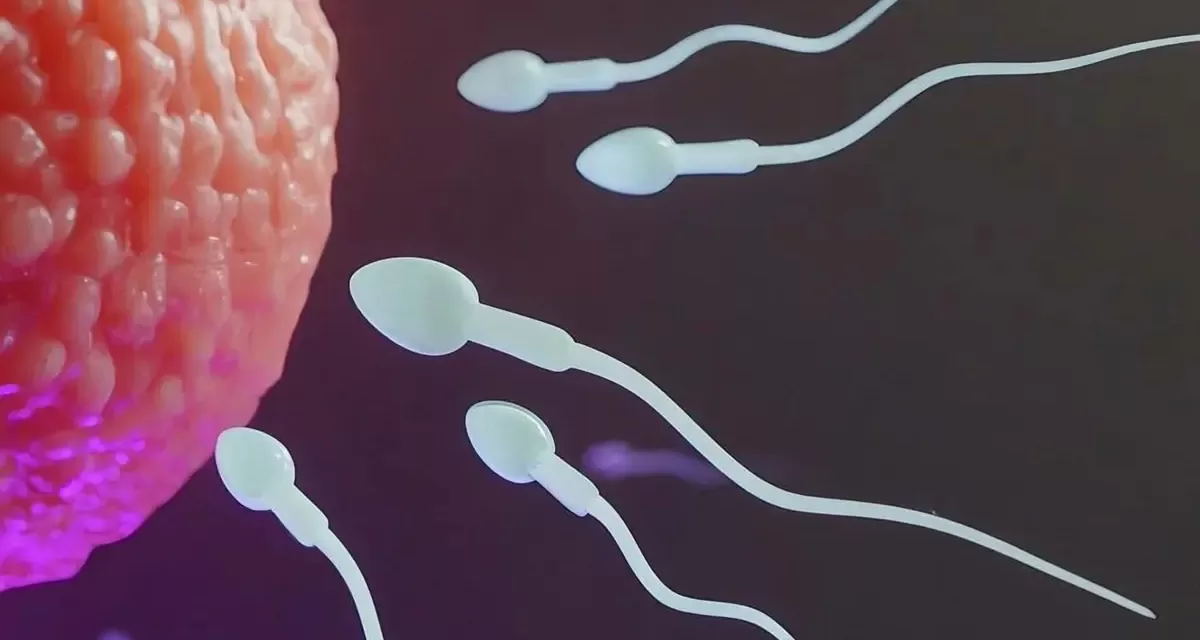
Washington, October 1 – In a landmark achievement published in Nature Communications, researchers have successfully created human eggs from skin cells and fertilized them with sperm in laboratory conditions. Though still in its nascent stages, this breakthrough in reproductive science holds the promise of transforming infertility treatment options and expanding family-building possibilities for millions worldwide.
The Science Behind the Breakthrough
Using a technique known as in-vitro gametogenesis (IVG), scientists have, for the first time, demonstrated the ability to generate viable human eggs from somatic (body) cells. The process involved advanced cellular engineering methods, primarily somatic cell nuclear transfer—the same process used to clone Dolly the sheep in 1996. In this method, the nucleus of skin cells was extracted and inserted into donor eggs from which the nucleus had been removed.
One critical innovation was the application of mitomeiosis, a process mimicking natural cell division that reduces the chromosomal number from 46 (in skin cells) to 23, the necessary number for egg formation. This approach addressed a longstanding barrier: how to convert genetically diploid somatic cells to haploid gametes compatible with fertilization.
The study resulted in the creation of 82 developing eggs, which were subjected to in-vitro fertilization (IVF). After six days, fewer than 9% of these embryos showed the potential to be transferred into a uterus, although many displayed abnormalities, leading researchers to halt further development for safety reasons.
Expert Perspectives on the Significance
Reproductive medicine experts have lauded the progress as a “foundational step” in reproductive biology. Dr. Ying Cheong, a prominent researcher at the University of Southampton, emphasized the significance, stating, “For the first time, DNA from ordinary body cells can be placed into an egg, activated, and made to halve its chromosomes” . She noted that while the research remains preliminary, it opens avenues for understanding and treating infertility and miscarriage.
Paula Amato, co-author of the study from the Oregon Health & Science University, highlighted the potential implications beyond traditional fertility challenges. “This technology could, someday, enable older women or those without viable eggs to have genetically related children. It could also assist same-sex couples in creating genetically linked offspring,” she explained, although she cautioned that practical applications are at least a decade away .
Other approaches to creating eggs from skin cells include reprogramming skin cells into induced pluripotent stem (iPS) cells, which can then be turned into eggs. Amato remarked that it remains uncertain which pathway will ultimately yield safe, effective human eggs, underscoring the early nature of this research .
Context and Potential Impact
Infertility affects approximately one in six couples globally, with causes ranging from age-related decline in egg quality to genetic and medical issues . Current treatment options, including IVF with donor eggs or surrogacy, often face ethical, legal, or biological constraints. The development of lab-created eggs could significantly alter this landscape, providing new hope to individuals and couples who face barriers to natural conception.
The potential to generate eggs in the laboratory also raises profound ethical questions and regulatory challenges. Ensuring the safety and genetic stability of lab-produced eggs will be paramount before any clinical application is considered. Nonetheless, the scientific progress indicates a future where personalized reproductive options could become a reality.
Challenges and Limitations
Despite the progress, significant hurdles remain. The majority of lab-generated embryos in the study exhibited abnormalities, and only a small percentage showed developmental potential. Further research is needed to enhance the efficiency and safety of the process .
Additionally, ethical concerns about the creation and use of lab-made human eggs continue to provoke debate. Regulatory agencies worldwide will need to establish guidelines governing such advanced reproductive technologies.
Public Health and Future Directions
This breakthrough offers a glimpse into a future where infertility treatments could become more effective, especially for women of advanced reproductive age or those with genetic disorders affecting egg production. For the millions affected globally, such advances could mean more families with biologically related children.
However, scientists stress that these techniques are unlikely to reach clinical use in the immediate future. Rigorous testing, ethical oversight, and societal dialogue are essential to ensure responsible development and application.
Practical Implications
For now, the key takeaway is that reproductive science is on the cusp of potentially revolutionary changes. While lab-grown eggs are not yet a clinical reality, ongoing research continues to push the boundaries—potentially giving many the chance to conceive with their own genetic material in decades to come.
Conclusion
The creation of human eggs from skin cells represents a seminal step toward overcoming age-related and biological barriers to conception. Although it remains experimental, the progress underscores the rapid advancements in reproductive medicine that could reshape the future of family building.
As research continues, it is vital to balance scientific enthusiasm with careful ethical consideration, ensuring that such innovations serve the best interests of individuals and society.
Medical Disclaimer: This article is for informational purposes only and should not be considered medical advice. Always consult with qualified healthcare professionals before making any health-related decisions or changes to your treatment plan. The information presented here is based on current research and expert opinions, which may evolve as new evidence emerges.
References
https://www.daijiworld.com/news/newsDisplay?newsID=1293888