 0
0
 0
0
By Gemini Health News Service KARACHI, Pakistan — Health authorities in Pakistan’s Sindh province have escalated emergency response measures following the confirmation of two new mpox infections, bringing the provincial total to 25 cases in 2026. While the outbreak was initially linked to travelers entering the country, the recent geographic spread and a troubling cluster of infections among newborns in the Khairpur district have intensified fears of sustained local transmission.
According to data released by the Sindh Health Department on April 15, 2026, the province has identified 122 suspected cases this year. Of the 25 laboratory-confirmed cases, 18 are concentrated in Khairpur, which remains the epicenter of the current outbreak. Karachi has reported four cases, and Sukkur has logged three. Perhaps most distressing are the nine deaths recorded among suspected cases, including a group of newborns in Khairpur, marking a significant shift in the demographic profile of the disease in the region.
A Growing Footprint in Sindh
The latest two confirmed cases—one in Karachi and one in Khairpur—highlight the persistent nature of the virus. While 25 confirmed cases may seem low relative to the population, public health experts warn that the ratio of suspected cases (122) suggests the virus may be circulating more widely than testing currently reflects.
“The geographic distribution from Khairpur to the provincial capital of Karachi indicates that we are no longer looking at an isolated rural event,” says a senior epidemiologist with the Provincial Disease Surveillance and Response Unit (PDSRU), who spoke on condition of anonymity. “The transition from travel-associated cases to local clusters is a critical threshold in any outbreak.”
The Vulnerable: Neonatal Infections in Khairpur
The Khairpur cluster has drawn international attention due to its impact on infants. Investigations into two hospitals in the district—one public and one private—revealed a suspected “nosocomial” or hospital-acquired transmission pattern. Reports suggest that an infected child may have been placed in an incubator that was later used for other newborns without adequate sterilization.
Dr. Azra Pechuho, Sindh’s Health Minister, addressed the fatalities last week, noting that while five of the infants who died tested positive for mpox, the virus was not necessarily the primary cause of death. “These children were already medically vulnerable, suffering from prematurity, low birth weight, and severe malnutrition,” Dr. Pechuho stated.
However, pediatric specialists remain concerned. Speaking at a recent media roundtable at Aga Khan University Hospital, infectious disease specialist Dr. Fatima Mir emphasized that mpox in newborns is a “troubling development.”
“Historically, mpox has been seen primarily in adults,” Dr. Mir noted. “When you see it in a neonatal setting, it points to significant gaps in infection prevention and control (IPC) practices. Hospitals must be the safest places for the vulnerable, not a site for cross-infection.”
Understanding the Disease: Symptoms and Spread
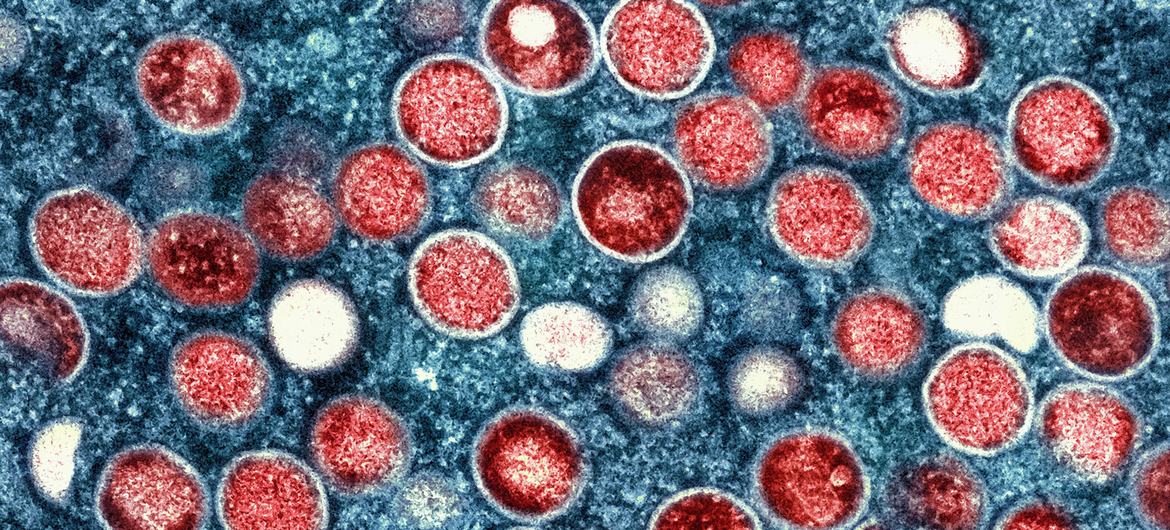
Mpox (formerly known as monkeypox) is a viral zoonotic disease caused by the mpox virus. While it often presents as a self-limiting illness, it can be severe in children, pregnant individuals, and those with compromised immune systems.
-
Symptoms: Fever, intense headache, lymphadenopathy (swollen lymph nodes), muscle aches, and a characteristic rash that progresses from flat spots to painful, pus-filled blisters.
-
Transmission: The virus spreads through close contact with an infected person. This includes skin-to-skin contact, sexual contact, and respiratory droplets during prolonged face-to-face interaction. It can also spread via “fomites”—contaminated materials like bedding, towels, or medical equipment.
-
Incubation: Symptoms typically appear 1 to 21 days after exposure.
Public Health Response and Limitations
The Sindh Health Department has responded by activating isolation wards in all major government and district headquarters hospitals. Surveillance units and contact-tracing teams are working to map the spread in Khairpur and Karachi.
Despite these efforts, several questions remain. Official reports have been sparse on “patient-level” details, making it difficult to determine exactly how many of the nine deaths were directly attributable to the virus versus secondary infections or underlying conditions. Furthermore, the “index case”—the first person to introduce the virus into the Khairpur hospitals—is still under investigation.
“The lack of transparency regarding the progress of the inquiry into the Khairpur hospitals is a hurdle,” says a representative from a local health advocacy group. “To prevent future outbreaks, we need to know exactly where the hygiene protocols failed.”
What This Means for the Public
Health officials stress that while the situation requires vigilance, it should not trigger panic. For the general resident of Sindh, the risk of casual transmission remains low, but awareness is vital.
Recommendations for Readers:
-
Seek Early Assessment: If you or a family member develops an unexplained rash accompanied by fever or swollen glands, visit a healthcare provider immediately.
-
Practice Hand Hygiene: Regular washing with soap and water or using alcohol-based sanitizers remains a front-line defense.
-
Avoid Close Contact: Limit contact with individuals showing symptoms and avoid sharing personal items like towels or bedding.
-
Understand the Rash: Not every rash is mpox. Conditions like chickenpox, measles, and syphilis can present similarly. Professional testing at facilities like Dow University or Aga Khan University is necessary for confirmation.
Conclusion: A Call for Institutional Reform
The Sindh mpox outbreak is a stark reminder of the fragility of healthcare infrastructure. The suspected transmission within neonatal units highlights the urgent need for standardized sterilization and triage procedures across both public and private sectors. As the province continues to monitor the 122 suspected cases, the focus remains on containing the Khairpur hotspot and ensuring that the “local spread” does not become a sustained provincial epidemic.
Medical Disclaimer: This article is for informational purposes only and should not be considered medical advice. Always consult with qualified healthcare professionals before making any health-related decisions or changes to your treatment plan. The information presented here is based on current research and expert opinions, which may evolve as new evidence emerges.
References
-
Dawn. (2026, April 15). Sindh mpox cases climb to 25 after two more infections confirmed.