 0
0
 0
0
Published: April 16, 2026
In a landmark call to action that signals a turning point in global health policy, a coalition of 50 leading researchers from 16 international organizations has issued a comprehensive roadmap to confront the escalating threat of antifungal resistance. Published this week in Nature Medicine, the expert consensus warns that without immediate intervention from governments, hospital systems, and agricultural regulators, the world faces a future where common fungal infections become untreatable.
The proposal arrives as the World Health Organization (WHO) and the Centers for Disease Control and Prevention (CDC) report a “silent surge” in pathogens that have evolved to bypass our limited arsenal of antifungal medications. Unlike the well-documented “superbug” crisis involving bacteria, fungal resistance has historically remained in the shadows—underfunded, under-monitored, and misunderstood.
A Limited Toolbox Under Siege
To understand the gravity of the situation, one must look at the medicine cabinet. While there are dozens of classes of antibiotics to treat bacterial infections, clinicians have only three primary classes of drugs to treat invasive fungal diseases: azoles, echinocandins, and polyenes.
“We are essentially fighting a war with three bullets,” says Dr. Elena Rossi, an infectious disease specialist not involved in the study. “If a fungus develops resistance to even one of those classes, our clinical options shrink by a third. If it develops resistance to all three—as we are increasingly seeing—we are left with almost nothing.”
The Nature Medicine report highlights two primary “bad actors” currently stalking hospital wards and the environment:
-
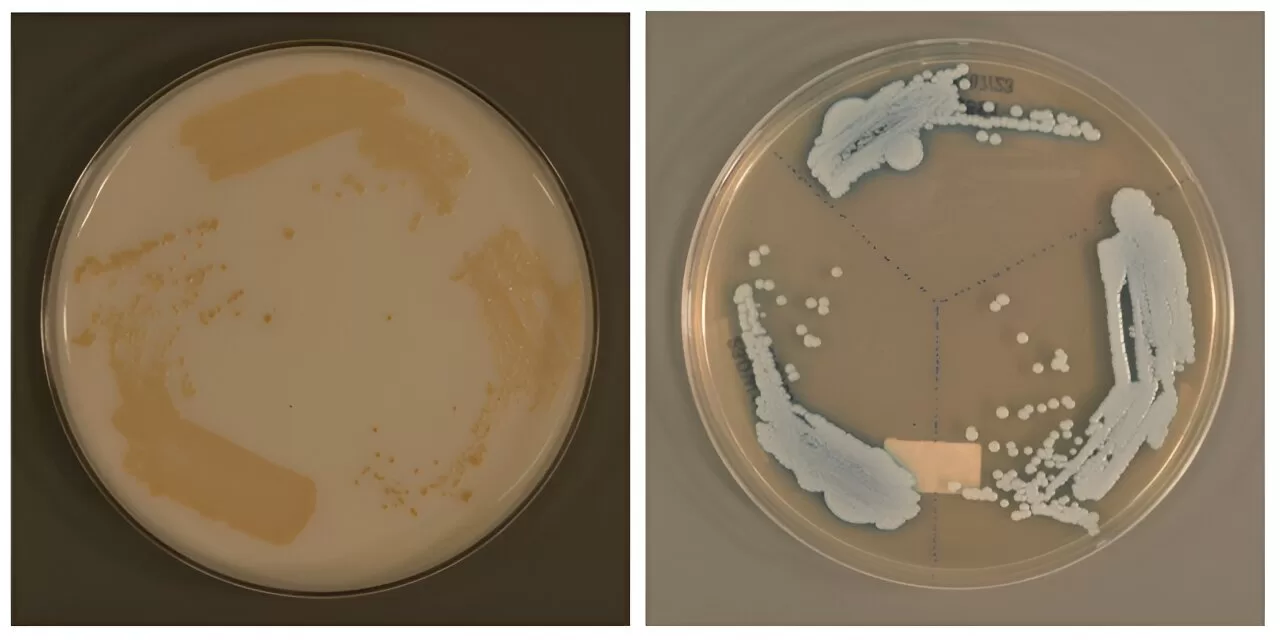
Candida auris: A yeast that spreads rapidly in healthcare settings. It is notoriously difficult to eradicate from surfaces and has shown the ability to become “pan-resistant,” meaning it ignores all three major drug classes.
-
Aspergillus fumigatus: A common mold found in soil and decaying vegetation. While healthy people breathe in its spores daily without issue, resistant strains are becoming more common in patients with lung diseases or weakened immune systems.
The 5-Step Roadmap
The 50-person research team, led by Professor Paul Verweij of Radboudumc, argues that the solution requires more than just new drugs; it requires a systemic overhaul of how we interact with the fungal kingdom. Their plan focuses on five pillars:
1. Global Awareness
Fungal infections are often misdiagnosed or diagnosed too late. The researchers call for increased education for both the public and healthcare providers to recognize the signs of invasive fungal disease early.
2. Enhanced Surveillance
Currently, many countries do not track fungal infections with the same rigor as they do flu or COVID-19. The plan mandates standardized reporting to identify “hotspots” of resistance before they go global.
3. Infection Prevention and Control (IPC)
Because fungi like C. auris can live on bed rails and medical equipment for weeks, the roadmap emphasizes rigorous “environmental hygiene” and handwashing protocols in hospitals to break the chain of transmission.
4. Optimized Use of Antifungals (Stewardship)
Just as overprescribing antibiotics fuels bacterial resistance, the misuse of antifungals in both humans and agriculture accelerates fungal evolution. The researchers advocate for “antifungal stewardship” programs to ensure these drugs are used only when necessary.
5. Investment in Innovation
The biological makeup of fungi is surprisingly similar to human cells, making it incredibly difficult to design drugs that kill the fungus without harming the patient. The researchers are calling for massive “push and pull” financial incentives to jumpstart the development of new diagnostics and treatment classes.
The Agricultural Connection: A “One Health” Problem
One of the most provocative aspects of the new report is its focus on the environment. Many of the antifungals used to treat humans are chemically similar to fungicides sprayed on food crops and timber.
“We cannot solve this in the hospital alone,” says Dr. Michaela Lackner of the Medical University of Innsbruck, a co-author of the study. She argues for a “One Health” approach, noting that the use of azole fungicides in the environment creates a “selection pressure” that allows resistant strains to flourish in the soil long before they ever reach a human lung.
What This Means for the Public
For the average healthy individual, the risk of a life-threatening fungal infection remains low. However, for the millions of people living with compromised immune systems—including cancer patients undergoing chemotherapy, organ transplant recipients, and those in intensive care—the stakes are existential.
According to the CDC, fungal infections already affect over a billion people annually, resulting in approximately 1.5 million deaths. As resistance grows, these numbers are expected to climb.
How patients can help:
-
Follow Prescriptions Exactly: If prescribed an antifungal (like for a yeast infection or athlete’s foot), complete the entire course even if symptoms disappear.
-
Ask Questions: If a prescribed treatment isn’t working, ask your doctor if a resistance test or a fungal culture is appropriate.
-
Advocacy: Supporting policies that fund public health surveillance and limit the non-medical use of critical fungicides.
Limitations and the Road to 2026
While the five-step plan provides a clear strategy, its success depends entirely on political will. The researchers are pushing for this framework to be a central component of the 2026 Global Action Plan on Antimicrobial Resistance.
Critics note that the pace of drug development is agonizingly slow. Because fungi are complex organisms, new drugs often face high failure rates in clinical trials due to toxicity. This reality underscores the importance of the plan’s first four steps: if we cannot easily create new weapons, we must guard the ones we have with absolute vigilance.
“Resistance prevention is significantly cheaper and more effective than trying to invent a way out of a pandemic of untreatable infections,” the authors conclude.
Medical Disclaimer
Medical Disclaimer: This article is for informational purposes only and should not be considered medical advice. Always consult with qualified healthcare professionals before making any health-related decisions or changes to your treatment plan. The information presented here is based on current research and expert opinions, which may evolve as new evidence emerges.
References
- https://ddnews.gov.in/en/50-researchers-reveal-5-steps-to-combat-drug%E2%80%91resistant-fungi/