 0
0
 0
0
NEW DELHI — Fatty liver disease, once brushed aside as a minor, incidental finding on ultrasound reports, is rapidly emerging as one of India’s fastest-growing public health crises. Driven by a surge in metabolic conditions, poor sleep habits, and changing dietary patterns, the silent condition now affects millions. However, prominent medical experts emphasize that a vital window of opportunity exists: when caught in its early stages, liver damage is completely reversible through structured, sustainable lifestyle changes.
The metabolic shift is particularly visible across urban centers. According to a comprehensive data review and meta-analysis published in the Journal of Clinical and Experimental Hepatology, nearly one in three adult Indians—roughly 30% to 38% of the urban population—carries some form of fatty liver disease.
Because the condition rarely presents obvious warning signs during its initial development, the vast majority of cases are found completely by accident during routine corporate health screenings, blood tests, or abdominal ultrasound scans requested for unrelated issues.
Anatomy of a Silent Crisis
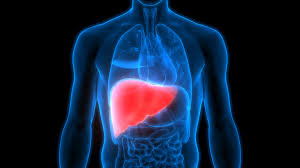
The human liver is a metabolic powerhouse, responsible for performing hundreds of crucial functions every single day. These include processing essential nutrients, filtering toxic substances from the bloodstream, and maintaining balanced glucose levels.
Fatty liver disease occurs when excess lipids (fats) physically pool inside hepatic cells (liver cells). When this fat accumulation exceeds 5% to 10% of the total organ weight, it begins compromising the liver’s intricate architectural layout and its overall ability to regulate your metabolism.
Historically, liver damage was almost exclusively linked to excessive alcohol consumption. Today, healthcare professionals are increasingly diagnosing a distinct variation known clinically as Metabolic Dysfunction-Associated Steatotic Liver Disease (MASLD)—or more traditionally as non-alcoholic fatty liver disease (NAFLD).
This non-alcoholic variant is deeply intertwined with insulin resistance, where the body’s cells stop responding effectively to the hormone insulin. This metabolic gridlock forces the liver to convert excess dietary sugars, especially highly processed fructose found in packaged juices, flavored yogurts, and sodas, straight into stored fat.
The Danger of Dismissal: A Progression to Scarring
“Many people consider a fatty liver as a small, insignificant finding on an ultrasound report and choose to ignore it. That can be a costly mistake,” warns Dr. Shaleen Agarwal, Head of Liver Transplant and Hepatopancreatobiliary (HPB) Surgery at Amrita Hospital in Faridabad.
Dr. Agarwal highlights that while simple fat accumulation can sit quietly for years, it should never be dismissed. If left unmanaged, the persistent cellular stress triggers localized inflammation. This aggressive phase can progress stealthily through several dangerous developmental landmarks:
[ Simple Fatty Liver ]
         │
         ▼
[ Steatohepatitis (Inflammation) ]
         │
         ▼
[ Fibrosis (Early Scarring) ]
         │
         ▼
[ Cirrhosis (Severe, Permanent Scarring) ]
         │
         ▼
[ Liver Failure / Liver Cancer ]
“The primary danger lies in the fact that advanced, serious liver injury can develop completely without causing pain,” Dr. Agarwal explains. “By the time tangible symptoms like chronic fatigue, abdominal swelling, jaundice (yellowing of the skin and eyes), or severe physical discomfort appear, substantial, permanent structural damage may already have occurred.” In terminal stages, a complex and expensive liver transplant becomes a patient’s only lifesaving option.
The Weight-Loss Equation for Total Reversal
Despite the daunting progression path, the message from the hepatology community is fundamentally hopeful: the liver possesses a unique, highly resilient capacity to regenerate and completely heal its own tissue when harmful behavioral triggers are removed in time.
The most potent tool for reversing early-stage fatty liver disease does not come from a pharmacy shelf—it comes from targeted weight management. Clinical data indicates that the organ is highly responsive to even minor decreases in overall body fat:
-
A 5% Reduction in Body Weight: Is clinically shown to significantly clear out accumulated fat from liver cells.
-
A 7% to 10% Reduction in Body Weight: Can actively calm localized cellular inflammation and has been shown to reverse early stages of fibrosis (scarring).
To put this into perspective, consider a baseline visual calculation for an individual currently weighing 80 kilograms:
Shedding just four to eight kilograms can systematically change the internal microenvironment of the organ, allowing healthy tissue to recover.
The Counter-Argument: Why “Detoxes” and Crash Diets Backfire
While the data supporting weight reduction is absolute, liver specialists are quick to present an essential warning regarding how that weight is lost. The internet is flooded with aggressive crash diets, unverified herbal detox smoothies, and miracle weight-loss supplements that promise to rapidly “flush out” liver toxins. Medical experts strongly caution against these approaches.
From a physiological perspective, rapid weight loss achieved through extreme calorie deprivation forces a massive, sudden flood of free fatty acids from your fat stores straight into the bloodstream. The liver is suddenly forced to process this overwhelming tidal wave of incoming lipids, ironically increasing fat accumulation and causing acute cellular stress. Furthermore, unregulated supplements can carry hidden hepatotoxins (substances toxic to the liver), causing drug-induced liver injury that complicates the underlying metabolic issue.
Instead of looking for a quick fix, leading health institutions recommend a long-term, sustainable strategy focused on three core pillars:
-
A Structured, Whole-Food Diet: Prioritizing nutrient-dense items like leafy vegetables, fresh fruits, whole grains, and lean proteins, while completely eliminating high-fructose corn syrup and processed bakery goods.
-
Consistent Physical Activity: Engaging in at least 150 minutes of moderate-intensity exercise per week (such as brisk walking or cycling) to improve overall insulin sensitivity.
-
Rigorous Metabolic Management: Working closely with primary physicians to tightly control blood sugar levels if diagnosed with Type 2 diabetes, and ensuring seven to eight hours of high-quality sleep to properly regulate metabolic hormones.
Ultimately, early-stage fatty liver disease offers a rare, highly valuable second chance. It is a silent warning sign that can be successfully answered. By catching the condition early during routine check-ups and implementing modest, consistent behavioral changes, patients can protect their long-term liver health and halt a silent pandemic in its tracks.
References & Sources
- https://www.daijiworld.com/news/newsDisplay?newsID=1316638
Medical Disclaimer: This article is for informational purposes only and should not be considered medical advice. Always consult with qualified healthcare professionals before making any health-related decisions or changes to your treatment plan. The information presented here is based on current research and expert opinions, which may evolve as new evidence emerges.