 0
0
 0
0
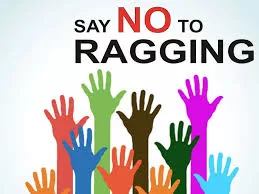
JAMSHEDPUR, JHARKHAND — The National Medical Commission (NMC) has launched a formal intervention following allegations of severe psychological harassment and ragging at Mahatma Gandhi Memorial Medical College (MGMMCH) in Jamshedpur. In early June 2026, a first-year MBBS student submitted an online complaint to India’s apex medical regulator, describing a hostile environment and targeted intimidation within the college hostel. The development has forced an immediate probe by local law enforcement and the institution’s Anti-Ragging Committee, casting a harsh spotlight back onto the systemic vulnerability of medical trainees across Indian campuses.
According to institutional briefs, the complainant reported escalating psychological distress on hostel premises, alleging that senior students systematically pressured him to occupy a room of their choosing, directly defying official assignments issued by the college administration. The NMC has categorized the nature of this intimidation under its expanded guidelines on mental harassment. The regulatory body has since directed the Principal of MGMMCH to deliver a comprehensive, evidence-backed report outlining both the specific accusations and the definitive corrective measures taken by the administration.
The Investigation at MGMMCH
In response to the federal directive, MGMMCH’s Anti-Ragging Committee (ARC) initiated a formal inquiry, collecting physical evidence and questioning individuals across multiple batches. Local authorities have escalated the matter to a criminal and administrative probe.
“The Sub-Divisional Officer (SDO) of Dhalbhum has directed the Deputy Superintendent of Police (DSP) for the Patamda range to investigate the matter extensively and report it soon,” stated Dr. Sanjay Kumar, Principal of MGMMCH. “The ARC is also looking into the issue. We need to wait till the probe is over to conclude anything.”
The joint investigation, led by Patamda DSP Bachan Dev Kujur and MGM Police Station In-charge Ram Lal Mandal, has formally identified five suspects belonging to the 2021–23 MBBS batch. An extraordinary session of the Anti-Ragging Cell Committee is scheduled to evaluate penal trajectories. Under current statutory provisions, the accused students face severe institutional penalties if found guilty, including immediate suspension, permanent expulsion, or financial levies exceeding ₹25,000, alongside independent criminal prosecution under the Indian Penal Code.
A Disproportionate Crisis in Medical Education
The current situation at MGMMCH is part of a broader, documented history. Between 2022 and 2024, the institution recorded seven formal ragging complaints, ranking it among the country’s more highly flagged campuses for student-on-student harassment. This is not the first time the college has had to penalize students; on January 13, 2024, the administration expelled three seniors from the 2019 batch and imposed ₹25,000 fines following verified instances of abuse. Further infractions occurred throughout 2024, including a 15-day suspension of a 2021-batch student in April, and a formal complaint lodged by a female freshman against her seniors in September.
Data compiled by the Society Against Violence in Education (SAVE) in its comprehensive report, State of Ragging in India 2022–24, shows that medical campuses experience a disproportionate amount of harassment compared to other fields of study.
| Metric | Statistical Finding |
| Medical Colleges’ Share of Total National Ragging Complaints | 38.6% |
| Medical Colleges’ Share of Serious Abuse Complaints | 35.4% |
| Medical Colleges’ Share of Ragging-Related Deaths | 45.1% |
| Proportion of Total Higher Education Students Enrolled in Medicine | Only 1.1% |
| Total National Ragging-Related Fatalities (2022–24) | 51 cases (20 occurring in 2024 alone) |
This data indicates that medical undergraduates encounter roughly 30 times more ragging incidents than peers in other academic streams. In 2024, the 20 documented ragging fatalities nationwide surpassed the student suicide totals recorded in the competitive coaching hub of Kota for the same calendar year.
The Psychological Toll on Trainees
The clinical and emotional aftermath of campus harassment creates long-term psychological challenges for victims. A peer-reviewed cross-sectional study published in the Journal of Research in Medical College evaluated 293 first-year health science students across MBBS, Bachelor of Dental Surgery (BDS), Doctor of Physical Therapy (DPT), and Bachelor of Science in Nursing (BSN) pathways.
The findings indicated that an overwhelming 94.5% of surveyed students reported experiencing some form of institutional initiation or ragging, with 46.7% categorizing the encounters as highly negative. The specific behavioral and psychological data from the cohort showed:
-
Verbal Abuse: Experienced by 43% of total participants.
-
Intrusive, Upsetting Memories: Reported by 35% of those subjected to harassment.
-
Physical Abuse: Sustained by 16.6% of the student cohort.
-
Active Suicidal Ideation: Reported by 6.5% of targeted individuals.
Crucially, the study exposed a profound structural breakdown in student trust: only 17.3% of victims chose to lodge an official institutional complaint, and 58.5% explicitly characterized their campus anti-ragging policies as completely ineffective. Supplementary psychological literature highlights that up to 87% of medical students acknowledge ragging as a direct trigger for severe clinical depression, often serving as a gateway to post-traumatic stress disorder (PTSD), generalized anxiety, social phobias, and acute academic decline.
Independent medical experts emphasize that these toxic dynamics warp the professional development of future clinicians.
“Ragging creates a toxic environment that undermines the therapeutic relationship future doctors must learn to establish,” explained Dr. Rajesh Kumar, a psychiatrist specializing in student mental health at the All India Institute of Medical Sciences (AIIMS), New Delhi, who was not involved in the MGMMCH case or the cited studies. “When junior students experience humiliation and fear from seniors, it contradicts the empathy and respect we expect them to demonstrate with patients.”
Dr. Kumar added, “The mental health burden is substantial. Victims often suffer from anxiety, depression, and in severe cases, suicidal ideation. The fact that only 17% report incidents suggests many suffer silently, fearing retaliation or further harassment.”
Statutory Frameworks vs. Implementation Gaps
To suppress institutional abuse, the NMC enforces the National Medical Commission (Prevention and Prohibition of Ragging in Medical Colleges and Institutions) Regulations, 2021. This statutory framework mandates a multi-tiered defense system across all accredited medical colleges:
-
Institutional Squads: The mandatory establishment of Anti-Ragging Committees and independent, mobile Anti-Ragging Squads backed by dedicated campus security.
-
Legal Undertakings: Separate, legally binding anti-ragging affidavits executed independently by both the student and their parents or guardians at the exact time of matriculation.
-
Surveillance Infrastructure: Continuous Closed-Circuit Television (CCTV) monitoring across vulnerable areas, including common rooms, hostel corridors, and dining facilities.
-
Proactive Mental Health Support: Mandatory institutional engagement with professional psychiatrists and counselors prior to the start of each academic session.
-
Institutional Escalation: Individual penalties range from immediate rustication and fines between ₹25,000 and ₹1,00,000 to a total debarment from medical admission. For non-compliant institutions, the NMC retains the authority to scale down annual student intake capacities, stop further admissions, or initiate full derecognition of the medical college.
Limitations in Current Safeguards
Despite these comprehensive regulations, systemic implementation gaps persist. Some institutional representatives argue that minor interpersonal frictions are occasionally misclassified as structured ragging. However, independent advocacy groups like SAVE note that because only a small fraction of victims possess the institutional support or personal safety necessary to report abuse, the true volume of severe ragging remains significantly underreported.
The recurrence of documented violations at campuses like MGMMCH suggests that punitive actions and financial penalties alone fail to reshape deep-seated cultural hierarchies, deeply entrenched power dynamics, or the isolation of hostel environments.
Public Health Implications and Actionable Guidance
From a public health perspective, institutional harassment within medical training threatens the stability of the healthcare workforce. Trainees operating under prolonged psychological trauma exhibit impaired cognitive functioning, diminished diagnostic performance, and elevated dropout rates. Furthermore, individuals subjected to systematic degradation may develop maladaptive coping mechanisms, which can erode the empathy, collaboration, and patient-centered focus essential for effective medical practice.
For Parents and Prospective Medical Students
To navigate these risks during the admission cycle, families should take proactive steps:
-
Verify Compliance Infrastructure: Confirm that the target medical college explicitly displays up-to-date contact details for its internal Anti-Ragging Committee on its primary digital portal.
-
Audit Housing Layouts: Ensure that, in accordance with NMC mandates, first-year hostels are physically segregated from senior residential wings.
-
Evaluate Mental Health Resources: Review the accessibility, privacy, and full-time availability of on-campus psychological counselors.
-
Preserve Evidence: Immediately document any instance of intimidation, and bypass internal administration by escalating directly to the National Anti-Ragging Helpline if local mechanisms show bias or delay.
For Practicing Healthcare Professionals
Established clinicians have a professional responsibility to address this cycle:
-
Identify and support colleagues or junior interns who may be struggling with unresolved training trauma.
-
Actively participate in institutional mentorship programs designed to replace traditional hierarchies with supportive professional development.
-
Maintain zero-tolerance reporting environments within hospitals and clinical wards to ensure junior staff can speak out safely.
While regulatory interventions demonstrate accountability, ending campus harassment requires a fundamental shift in the culture of medical training. As Dr. Kumar noted, professional respect and empathy must be practiced throughout a student’s educational journey—starting in the classroom and the hostel, long before they reach the hospital ward.
Medical Disclaimer
Medical Disclaimer: This article is for informational purposes only and should not be considered medical advice. Always consult with qualified healthcare professionals before making any health-related decisions or changes to your treatment plan. The information presented here is based on current research and expert opinions, which may evolve as new evidence emerges.
References
-
The Times of India (Ranchi Bureau). “NMC seeks report on ragging plaint by MGMMCH student; panel probe underway.” Published June 7, 2026.
-
Medical Dialogues (Education Bureau). “NMC seeks report from MGM Medical College Jamshedpur after MBBS student alleges ragging by seniors.” Reference ID: 172356.