 0
0
 0
0
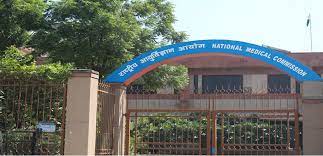
NEW DELHI — In a major administrative push to secure the integrity of India’s healthcare workforce pipeline, the National Medical Commission (NMC) has officially reopened its online admission monitoring portal. The decision allows medical colleges and postgraduate institutes across the country to upload late admission details for students entering via the National Eligibility cum Entrance Test for Postgraduates (NEET PG).
The Post Graduate Medical Education Board (PGMEB) enacted this measure after several institutions lapsed on previous submission deadlines due to technical difficulties. By extending the reporting window into mid-April, regulatory authorities aim to prevent bureaucratic bottlenecks from disrupting the careers of thousands of newly admitted resident doctors. This structural oversight directly influences how the nation tracks, verifies, and deploys its future medical specialists.
Why the Data Window Reopened: A Digital Bottleneck
The online Admission Monitoring Portal serves as India’s central digital ledger for advanced medical education. It covers a vast array of specialized programs, including Doctor of Medicine (MD), Master of Surgery (MS), Post Graduate Diploma, Doctorate of Medicine (DM), and Master of Chirurgiae (MCh) courses.
Under standard operating procedures, institutions must log in using existing secure credentials to submit student-level data shortly after the conclusion of counseling rounds. Hard copies are explicitly rejected to maintain a strict, auditable digital trail.
However, the high volume of traffic during the initial reporting window triggered system-wide technical hurdles. Originally, the NMC mandated that colleges finalize submissions by the end of March. Recognizing widespread IT friction across diverse institutional servers, the commission progressively pushed the deadline to April 7, then April 8, and ultimately granted a final extension through April 15. To guarantee data fidelity, the NMC simultaneously directed state and Union Territory directorates of medical education to submit separate, consolidated admission lists, creating an independent double-check system.
The Public Health Impact: Mapping India’s Specialist Workforce
While a portal reopening appears to be a purely bureaucratic event, its ripple effects bear significant public health weight. Postgraduate residency training shapes the frontline specialist workforce that manages complex clinical care across India’s healthcare system.
NMC Data Portal Verification Flow:
[College Uploads Student Data] ➔ [State Directorate Cross-Checks] ➔ [Official NMC Record Created]
Accurate data tracking is vital for several foundational healthcare infrastructure needs:
-
Addressing Specialist Shortages: Central agencies rely on real-time enrollment data to pinpoint deficits in crucial fields like neurosurgery, pediatrics, and pulmonology.
-
Geographic Distribution Planning: Aggregated data reveals whether medical specialists are concentrating heavily in urban centers or if rural and semi-urban residency quotas are being adequately filled.
-
Capacity Monitoring: Ensuring institutions do not over-enroll beyond their sanctioned infrastructure capacity preserves the quality of training, which directly impacts patient safety.
“Systemic transparency in how we track medical trainees is fundamentally tied to public safety,” says Dr. Arati Rai, an independent health policy analyst and former medical faculty member who was not involved in drafting the NMC notice. “If the central regulator cannot definitively verify who is training in our hospitals, the entire planning structure for national healthcare delivery weakens.”
What This Means for Medical Students and Families
For the student community, the high-stakes nature of this administrative window cannot be overstated. If a medical college fails to register an admitted student on the portal within the sanctioned timeframe, that student’s name will be omitted from the official NMC website for the current academic session.
Historically, such data mismatches have led to grueling legal and administrative hurdles for young doctors trying to register their additional qualifications or secure employment after graduation. The reopening of the portal serves as a vital safety net, protecting student merit from being penalized by local administrative oversights.
Systemic Challenges and Administrative Nuances
Journalistic reporting on health policy requires evaluating structural limitations rather than viewing updates in a vacuum. Media tracking of the NMC’s notices revealed mild initial confusion regarding the absolute closing date, with early publications citing April 8 and subsequent regulatory directives clarifying the final extension to April 15. This pattern highlights a recurring challenge in large-scale digital governance: balancing rigid anti-corruption frameworks with the volatile operational realities of localized institutional infrastructure.
Furthermore, while this portal ensures that seats match merit-based parameters, it does not solve underlying systemic pressures. The need for multiple deadline extensions underscores that digital-first compliance frameworks in medical education still face localized connectivity and administrative friction.
The Long-Term Outlook
As digital governance becomes central to medical education in India, stricter data compliance is expected to weed out irregular admissions and build institutional accountability. For health-conscious consumers and patients, this technical adjustment translates over time into a reliable, legally verified, and equitably distributed pipeline of qualified doctors across all medical specialties.
Medical colleges must treat these digital windows as strict components of their operational mandates. For families and the public, the development emphasizes that modern healthcare quality depends as much on robust data tracking as it does on clinical practice.
References
-
National Medical Commission (NMC): Post Graduate Medical Education Board (PGMEB) official notice regarding the reopening and extension of the online admission monitoring portal for postgraduate courses, April 2026.
Medical Disclaimer
This article is for informational purposes only and should not be considered medical advice. Always consult with qualified healthcare professionals before making any health-related decisions or changes to your treatment plan. The information presented here is based on current research, administrative notices, and expert opinions, which may evolve as new evidence emerges.