 0
0
 0
0
NEW DELHI — The Government of India has officially urged its citizens to avoid non-essential travel to the Democratic Republic of the Congo (DRC), Uganda, and South Sudan. The urgent travel advisory, issued by the Ministry of Health and Family Welfare, comes in immediate response to the World Health Organization (WHO) declaring the deepening Ebola outbreak in the region a Public Health Emergency of International Concern (PHEIC).
The emergency declaration aims to rapidly mobilize international coordination, step up border screenings, and reinforce infection-control measures to prevent the virus from spreading globally. While Indian health authorities emphasize that there are currently zero reported or suspected cases of Ebola within India, the cross-border nature of the current outbreak has prompted proactive domestic surveillance and heightened vigilance at points of entry.
The Scale of the Outbreak: What Health Officials Know
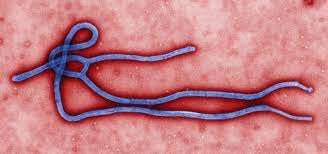
The current crisis is driven by the Bundibugyo virus, one of the six distinct species within the Ebolavirus genus. According to official data compiled by the WHO, as of May 16, 2026, the outbreak in the DRC has escalated to 8 laboratory-confirmed cases, 246 suspected cases, and 80 suspected deaths.
The virus has already demonstrated cross-border mobility. The U.S. Centers for Disease Control and Prevention (CDC) confirmed that the outbreak has breached the DRC border into neighboring Uganda, which has logged two confirmed cases and one fatality. South Sudan has been included in India’s travel advisory due to its high-risk status, driven by geographical proximity and intense, unmonitored cross-border population movements.
A significant challenge for global health teams is the specific strain involved. Unlike the more common Zaire strain of Ebola—which can be countered with existing vaccines like Ervebo—the Bundibugyo strain presents a steeper clinical hurdle.
“There is currently no licensed vaccine or specific antiviral therapeutic treatment available for the Bundibugyo species of Ebola,” states the WHO medical brief. “Consequently, management relies entirely on early intensive supportive care.”
This supportive care includes aggressive intravenous or oral rehydration, maintaining oxygen status, and managing specific symptoms as they arise. When administered early, these basic medical interventions significantly lower mortality rates, making rapid identification and immediate isolation paramount.
Transmission and the Diagnostic Challenge
Understanding how Ebola spreads is vital to preventing unwarranted public panic. Public health agencies reinforce that Ebola is not an airborne disease like influenza or COVID-19. It cannot be transmitted through casual contact, such as breathing the same air or touching a surface an infected person briefly brushed past.
Instead, Ebola spreads strictly through direct contact with the bodily fluids (such as blood, saliva, sweat, vomit, or semen) of an infected person who is actively showing symptoms, or through contact with objects contaminated by these fluids.
[Exposure to Virus] ──> [Incubation Period: 2–21 Days] ──> [Early Symptoms: Flu-like] ──> [Late Symptoms: Gastrointestinal/Bleeding]
The incubation period—the time from initial infection to the onset of symptoms—ranges from 2 to 21 days. This window creates a complex diagnostic challenge for clinicians because the early signs of Ebola are highly non-specific.
Symptom Evolution
-
Early Stage: Sudden onset of fever, profound weakness, muscle aches, and severe headache. These symptoms perfectly mimic highly prevalent tropical diseases such as malaria, typhoid, and severe seasonal influenza.
-
Advanced Stage: As the disease progresses, patients develop severe gastrointestinal distress, including vomiting, diarrhea, and intense abdominal pain.
-
Late Stage: In a subset of advanced cases, patients may exhibit unexplained bleeding, such as bruising or hemorrhaging from the gums or nose. Health officials note that visible bleeding is not present in every patient, and its absence should not rule out the disease.
Global Context and Public Health Vulnerabilities
The declaration of a continental public health emergency by the Africa Centres for Disease Control and Prevention (Africa CDC) underscores the fragile environment in which this virus is circulating. Large portions of the affected zones in central and eastern Africa are experiencing severe health-system strain, localized conflict, and high numbers of displaced populations.
Dr. Aris Patel, an independent infectious disease epidemiologist not involved in the current WHO response, highlights the operational difficulties:
“Containing Ebola depends entirely on breaking the chains of transmission through meticulous contact tracing and immediate isolation,” Dr. Patel explained. “However, when an outbreak occurs in areas with limited medical infrastructure, remote geography, and high population mobility, tracking every exposure becomes an uphill battle. This is why a global response is triggered—not because the virus is unstoppable, but because the local systems require immediate reinforcement to block international transit.”
Past outbreaks have repeatedly proven that when international agencies rapidly deploy laboratory testing facilities, personal protective equipment (PPE), and community engagement teams, transmission chains can be severed within months.
Practical Blueprint for Travelers and Clinicians
For health-conscious citizens, employers, and travel planners, the Ministry of Health’s advisory requires practical alterations to upcoming schedules.
Are you planning travel to DRC, Uganda, or South Sudan?
   ├── YES: Is it absolutely essential?
   │         ├── NO: Postpone the trip immediately.
   │         └── YES: Maintain strict hygiene; avoid healthcare facilities and crowded areas.
   └── NO: Monitor official updates; avoid spreading unverified rumors.
For ordinary travelers, the directive is plain: postpone all non-essential trips to the DRC, Uganda, and South Sudan until further notice. For international corporations, non-governmental organizations, and educational institutions, this necessitates an immediate review of staff deployments, insurance policies, and medical evacuation contingencies.
If travel to these regions is completely unavoidable, or if citizens are already present in the affected countries, health agencies advise the following strict protocols:
-
Practice rigorous hand hygiene: Frequently wash hands with soap and water or use an alcohol-based hand sanitizer.
-
Avoid healthcare facilities: Unless requiring emergency care yourself, stay clear of local hospitals in the outbreak zones where Ebola patients are being treated.
-
Monitor health post-travel: Anyone returning from central or eastern Africa must self-monitor their temperature and health status for a full 21 days.
-
Seek immediate care: If a fever, headache, or muscle pain develops within the 21-day window, individuals must self-isolate immediately and contact local health authorities via designated hotlines, explicitly disclosing their travel history.
Balanced Outlook: Limitations and Uncertainties
While vigilance is necessary, global health experts caution against overreaction. The current numbers—while alarming—indicate a localized outbreak rather than an uncontrolled pandemic. The risk to the general public in countries outside the immediate transmission zone, including India and the United States, remains exceptionally low.
Furthermore, medical authorities note that data coming out of remote regions is subject to constant adjustment. Current case numbers likely reflect a mix of under-reporting due to inaccessible villages, alongside potential over-reporting of suspected cases that may ultimately turn out to be malaria or severe gastroenteritis once laboratory PCR testing catches up.
The critical takeaway for the public is that risk is heavily dependent on direct exposure. Individuals who have not traveled to the specific affected provinces, nor had direct contact with sick individuals or their secretions, face virtually zero threat from this pathogen.
References
-
Government of India / Ministry of Health and Family Welfare. Press Information Bureau (PIB). Official Travel Advisory regarding non-essential travel restrictions to the Democratic Republic of the Congo, Uganda, and South Sudan. Issued May 2026.
Medical Disclaimer: This article is for informational purposes only and should not be considered medical advice. Always consult with qualified healthcare professionals before making any health-related decisions or changes to your treatment plan. The information presented here is based on current research and expert opinions, which may evolve as new evidence emerges.