 0
0
 0
0
KINSHASA — The World Health Organization (WHO) has issued a urgent global warning regarding an escalating Ebola outbreak in the Democratic Republic of the Congo (DRC). Health officials report that the virus is expanding at an “exceptional pace,” marking it as the fastest-growing Ebola outbreak ever recorded. Originally detected in May 2026 within Ituri Province, active transmission of the rare Bundibugyo strain has now reached five provinces: Ituri, North Kivu, South Kivu, Haut-Uélé, and Tshopo across 49 health zones. As of July 30, 2026, health authorities in the DRC have documented 3,605 confirmed cases and 1,587 deaths. Factoring in imported cases and medical evacuations to Uganda, Germany, and France, the cumulative global tally stands at 3,626 cases and 1,589 deaths. The WHO has designated the surge a Public Health Emergency of International Concern (PHEIC), demanding rapid global coordination.
Geographic Expansion in a Complex Conflict Zone
The epicenter of the epidemic remains Ituri Province, which currently accounts for over 90 percent of reported cases and 80 percent of recorded fatalities. However, the recent geographic spread into neighboring provinces has drastically heightened the overall risk profile.
Eastern Congo has long suffered from armed conflict, severe population displacement, and fragile civic infrastructure. These volatile conditions severely hinder standard epidemiological tools like routine disease surveillance and contact tracing. Highly mobile populations—including displaced families, traders, and informal miners—frequently travel across provincial and international borders, carrying the pathogen with them.
Public health officials emphasize that official figures likely undercount the true severity of the situation. Delayed care-seeking, reliance on informal health facilities lacking infection control protocols, and inaccessible, conflict-affected zones create surveillance “blind spots” where transmission chains remain undetected until clusters emerge.
The Biological Threat: Understanding the Bundibugyo Strain
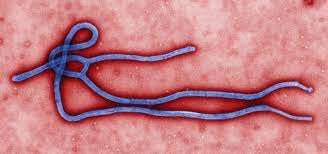
Ebola is a severe, often fatal hemorrhagic fever in humans. The virus is transmitted through direct contact with infected blood, bodily fluids (such as saliva, vomit, or stool), contaminated bedding, or the bodies of individuals who have died from the disease. Individuals carrying the virus do not transmit it before symptoms appear, but infectiousness rises sharply once illness manifests—placing family caregivers, funeral participants, and healthcare workers at elevated risk.
| Feature | Details |
| Pathogen | Bundibugyo virus (Species of Orthoebolavirus) |
| Incubation Period | 2 to 21 days |
| Key Symptoms | High fever, severe fatigue, muscle aches, vomiting, diarrhea, unexplained bleeding |
| Medical Countermeasures | No licensed vaccine or targeted antiviral cure currently approved |
| Primary Containment Pillars | Early detection, supportive care, contact isolation, safe burials, strict IPC protocols |
Unlike the more common Zaire species of Ebola—for which effective licensed vaccines (such as Ervebo) exist—the Bundibugyo strain lacks an approved vaccine or specific monoclonal antibody treatment. Consequently, healthcare teams cannot rely on ring vaccination to halt transmission belts. Response strategies must depend entirely on foundational public health measures.
Expert Insights and Frontline Challenges
Response teams on the ground describe an uphill battle against time and terrain.
“Ituri remains the heavy epicentre of this outbreak, but as population movement continues across trade corridors, every adjacent province faces exponential risk,” noted Dr. Thierno Baldé, WHO Incident Manager for the Ebola response. “Our response teams are working relentlessly to ‘catch up’ with the virus. We are rapidly expanding clinical referral pathways, equipping isolation units, and establishing community-led safe burial teams in areas with the highest active transmission.”
Despite the absence of a pathogen-specific cure, medical experts emphasize that early medical intervention dramatically lowers mortality rates. Rapid intravenous rehydration to combat fluid loss from vomiting and diarrhea, administration of electrolyte balances, pain management, and treating secondary bacterial infections allow the body’s immune system a better chance to recover.
Clinical Research and Scientific Limitations
While routine clinical tools remain foundational, scientists are accelerating clinical research. Human trials for candidate vaccines specifically engineered against the Bundibugyo strain are moving forward in international settings, alongside clinical protocols evaluating experimental therapeutics inside DRC treatment centers.
However, public health communicators caution against overly optimistic assumptions:
-
Experimental Status: Candidate drugs and vaccines are being administered strictly under compassionate-use or clinical trial protocols. They are not yet approved for mass distribution or standard clinical use.
-
Cross-Protection Limits: Existing stockpiles of Ebola Zaire vaccines provide no protection against the Bundibugyo virus.
-
Data Gaps: The Bundibugyo strain has historically caused fewer outbreaks than the Zaire strain, leaving doctors with less epidemiological and clinical data regarding its long-term sequelae or viral persistence.
Public Health Action: Guidance for Communities and Clinicians
Containing an outbreak without a licensed vaccine requires aggressive vigilance at both the healthcare and community levels.
For Healthcare Workers and First Responders:
Strict adherence to Infection Prevention and Control (IPC) measures is critical. Facilities must screen incoming patients for fever and travel history, wear complete Personal Protective Equipment (PPE) when handling suspected cases, and isolate patients immediately to prevent clinical settings from amplifying outbreak clusters.
For the General Public and Travelers:
In or near affected regions, any sudden onset of high fever, severe weakness, gastrointestinal distress, or unusual bleeding should be treated as an immediate medical emergency. Members of the public are advised to avoid physical contact with individuals showing symptoms, abstain from touching objects contaminated by bodily fluids, and ensure that deceased loved ones are buried exclusively through trained, safe-burial teams.
International authorities continue to reinforce cross-border monitoring in neighboring countries like Uganda, South Sudan, and Rwanda, striving to detect imported cases early while avoiding unnecessary disruptions to critical humanitarian and food supply chains.
References
- https://www.thehindubusinessline.com/news/who-warns-of-intensifying-ebola-outbreak-in-dr-congo-as-cases-spread-to-five-provinces/article71297845.ece
Medical Disclaimer: This article is for informational purposes only and should not be considered medical advice. Always consult with qualified healthcare professionals before making any health-related decisions or changes to your treatment plan. The information presented here is based on current research and expert opinions, which may evolve as new evidence emerges.