 0
0
 0
0
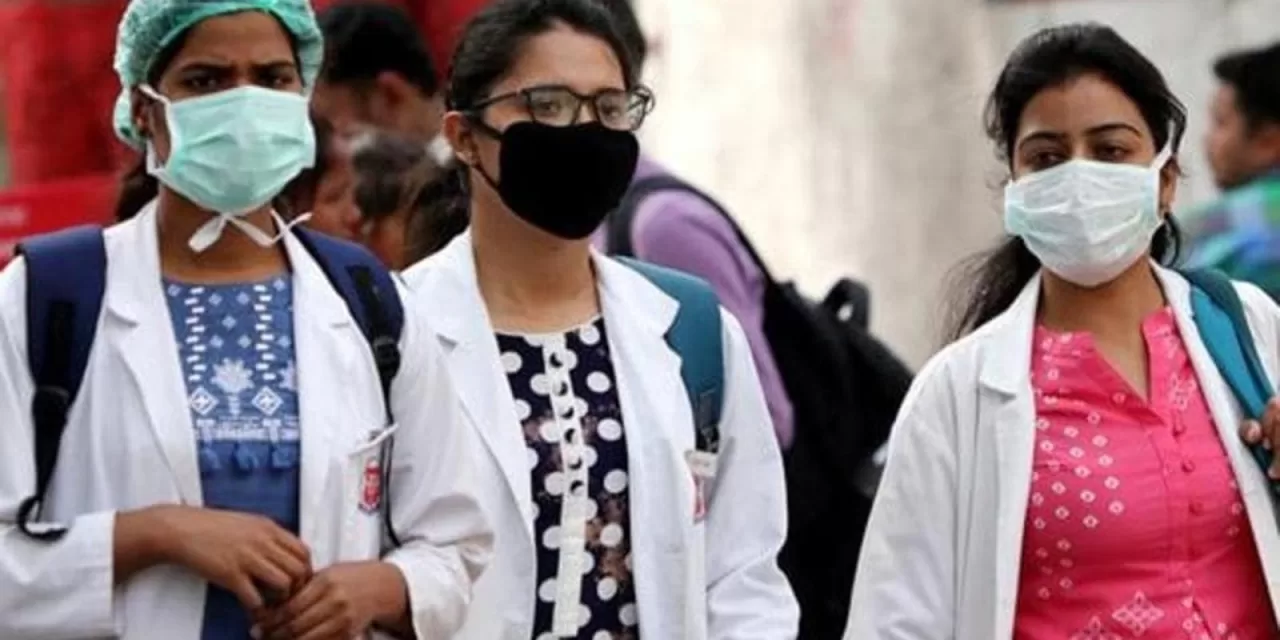
JAIPUR – In a landmark move to address the escalating psychological toll of medical education, the Rajasthan government announced on February 8, 2026, the establishment of a specialized State-Level Mental Health Welfare Cell. This initiative, which mandates the creation of comprehensive well-being centers across all 50 medical colleges in the state, represents one of India’s most proactive institutional responses to the student mental health crisis. Directed by Medical Education Commissioner Naresh Goyal, the reform aims to provide a safety net for thousands of future doctors facing unprecedented levels of academic and emotional distress.
A Structural Shift in Student Support
The directive comes during a period of intense scrutiny regarding the well-being of medical aspirants and practitioners in India. Under the new mandate, every medical college in Rajasthan—from premier urban institutes like SMS Medical College in Jaipur to newer rural facilities—must establish a dedicated Well-Being Center.
These centers are not merely counseling offices; they represent a fundamental shift in administrative priority. Key features of the initiative include:
-
Designated Deans: Each institution will appoint a dean focused exclusively on monitoring student mental health and academic stress.
-
Early Intervention Systems: Staffed with trained professionals to provide counseling and identify psychological “red flags” before they escalate.
-
Peer Support & Mentorship: Formalized peer groups and alumni mentorship programs to foster community and shared resilience.
-
Holistic Integration: Mandatory inclusion of yoga, sports, and cultural events into the rigorous medical schedule to promote work-life balance.
Commissioner Naresh Goyal emphasized that these measures, supported by Chief Minister Bhajan Lal Sharma and Medical Education Minister Gajendra Singh Khimsar, are designed to create a “structured mechanism” for awareness. By prominently promoting the Tele-MANAS national helpline on every campus, the state also ensures that emergency support is a phone call away.
The Weight of the White Coat: Statistical Context
The urgency of Rajasthan’s reform is underscored by sobering national data. Medical education in India is a high-stakes environment characterized by the grueling NEET entrance exam, sleep deprivation, and the heavy emotional burden of patient care.
A 2024 meta-analysis revealed the depth of this crisis among undergraduate medical students nationwide:
-
48% reported symptoms of depression.
-
54% struggled with anxiety.
-
21% experienced suicidal ideation.
Furthermore, Right to Information (RTI) responses from the National Medical Commission (NMC) indicate that between 2020 and 2024, 119 medical students (64 undergraduates and 55 postgraduates) died by suicide. During the same period, 1,166 students dropped out of their programs, citing burnout and psychological distress.
“The pressure is cumulative,” says Dr. Lakshya Mittal, National President of the United Doctors’ Front. “With 1,680 formal complaints filed in five years, Rajasthan’s structured support is vital. However, for this to work, we must ensure surveillance reaches rural colleges where resources are often thinner.”
Learning from Precedents
Rajasthan’s model draws inspiration from Kerala’s JEEVANI program, India’s first statewide college mental health service. JEEVANI demonstrated that placing trained counselors directly on campuses increases the likelihood of students seeking help by reducing logistical barriers and normalizing the experience.
Rajasthan is evolving this model by integrating it into the administrative hierarchy of medical colleges. By involving deans and alumni, the program acknowledges that the “culture” of medicine—often one of stoicism and self-sacrifice—needs to change from the top down.
Expert Perspectives: Implementation is Key
While the medical community has largely lauded the move, experts suggest that the success of the initiative depends on its execution.
Dr. Geeta Guin, Dean at Netaji Subhash Chandra Bose Medical College (who was not involved in the Rajasthan task force), notes that these centers could bridge the gap in early detection. “Much like the NMC’s push for leave policies and anti-ragging measures, implementation is the true test. We need to move from ‘policy on paper’ to ‘presence on campus,'” she stated.
Dr. Viral, a specialist from AIIMS, adds that peer groups are particularly effective for medical students who may fear the stigma of a formal diagnosis. “Confidentiality remains a major barrier; nearly 30% of students in some studies avoid seeking help because they fear it will affect their future career. Peer groups and anonymous helplines like Tele-MANAS help bypass that fear.”
Public Health and Economic Implications
The health of medical students is directly tied to the health of the nation. As India aims to add 75,000 medical seats by 2026, the retention of talent is a public health priority.
-
Workforce Stability: Reducing dropouts ensures the investment in medical education translates into practicing physicians.
-
Patient Safety: High levels of burnout among doctors are linked to increased medical errors. A mentally healthy student becomes a more vigilant, empathetic clinician.
-
Destigmatization: When doctors-in-training prioritize their own mental health, they are better equipped to advocate for their patients’ mental health, helping to close the gap in a country where there are only 0.75 psychiatrists per 100,000 people.
Challenges and Potential Roadblocks
Despite the optimism, several hurdles remain:
-
Staffing Rural Institutions: Smaller, newer medical colleges in remote districts may struggle to recruit and retain qualified mental health professionals.
-
Curriculum Overload: Some critics argue that while well-being centers are helpful, they do not address the root cause: an outdated, high-pressure curriculum that leaves little room for rest.
-
Budgetary Clarity: While the task force has met, specific long-term funding allocations for these centers have yet to be fully detailed.
Looking Forward
Rajasthan’s initiative sets a significant precedent for 2026. As the National Medical Commission (NMC) continues to evaluate student welfare through its own National Task Force, led by experts from NIMHANS, Rajasthan’s “well-being center” model may serve as a blueprint for other states to follow.
For the students currently navigating the halls of Rajasthan’s medical colleges, the message is clear: the government is finally listening, and the “white coat” no longer has to be worn in silence.
Medical Disclaimer: This article is for informational purposes only and should not be considered medical advice. Always consult with qualified healthcare professionals before making any health-related decisions or changes to your treatment plan. The information presented here is based on current research and expert opinions, which may evolve as new evidence emerges.
References
-
Economic Times Health. “Rajasthan govt to set up mental health welfare cell for medical students.” February 8, 2026.