 0
0
 0
0
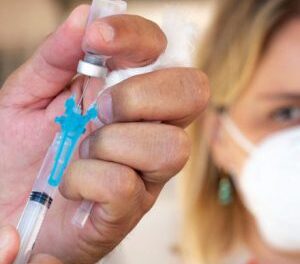
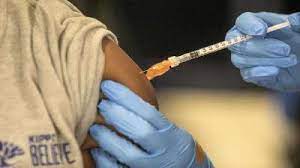
OXFORD, UK — A 37-year-old volunteer in Oxford has received the first dose of an experimental vaccine targeting the rare but deadly Bundibugyo strain of Ebola, marking the start of a historic Phase I clinical trial.
The trial, led by researchers at the University of Oxford in collaboration with the Serum Institute of India, is the world’s first human evaluation of a vaccine candidate specifically designed to combat the Bundibugyo ebolavirus (Bundibugyo virus or BDBV). With no licensed vaccines currently available for this specific viral variant, public health officials view the study as a critical step toward closing a dangerous gap in global epidemic preparedness.
The emergency clinical trial was launched just weeks after public health authorities confirmed a new viral outbreak in the Democratic Republic of Congo (DRC) and neighboring regions.
Why This Trial Marks a Critical Breakthrough
While approved vaccines exist for the well-known Zaire ebolavirus—the strain responsible for the major West African outbreak from 2013 to 2016—they offer limited protection against other distinct species within the filovirus family.
Bundibugyo Ebola causes severe viral hemorrhagic fever, characterized by fever, fatigue, muscle pain, vomiting, diarrhea, and in severe cases, internal and external bleeding. Although historical outbreaks have shown somewhat lower case-fatality rates compared to the Zaire strain, Bundibugyo remains highly lethal, with mortality rates historically hovering around 25% to 40%.
The candidate vaccine, designated ChAdOx1 BDBV, aims to provide rapid protection against this neglected strain.
Key Takeaway: Vaccines designed for one strain of Ebola do not automatically protect against others. The ChAdOx1 BDBV candidate targets a specific structural protein (the outer surface Glycoprotein) unique to the Bundibugyo variant.
What Researchers Are Testing: Inside the Phase I Trial
The main goal of a Phase I trial is to answer two fundamental safety questions before testing whether a candidate works in thousands of people:
-
Is the vaccine candidate safe in humans?
-
Does it successfully stimulate the human immune system?
The trial will enroll 50 healthy adult volunteers aged 18 to 55 in Oxford. Researchers will track their immune responses over several months, specifically evaluating antibody production and T-cell responses against the virus.
The ChAdOx1 Vector Platform
The candidate uses the ChAdOx1 viral vector technology—the same delivery mechanism utilized in the Oxford-AstraZeneca COVID-19 vaccine.
| Feature | Details |
| Delivery Mechanism | Weakened, non-replicating chimpanzee adenovirus vector |
| Genetic Payload | Code for the surface glycoprotein of the Bundibugyo strain |
| Target Dosing | Designed as a single-dose injection for rapid outbreak response |
| Manufacturing Partner | Serum Institute of India (SII) |
By delivering a harmless genetic blueprint to human cells, the vaccine prompts the body to produce the viral surface protein safely. This trains the immune system to recognize and fight the real virus without exposing the recipient to live Ebola.
Rapid Scaling and Public Health Context
Speed is paramount when controlling sudden viral outbreaks. To accelerate potential deployment, the Serum Institute of India—the world’s largest vaccine manufacturer by volume—has already manufactured trial doses at scale ahead of clinical readouts.
Funding and support from international organizations, including the Coalition for Epidemic Preparedness Innovations (CEPI), have helped condense early development timelines from years into weeks.
Epidemiologists note that during an outbreak, public health teams rely heavily on ring vaccination—vaccinating contacts and contacts-of-contacts around a confirmed case. A reliable, single-dose vaccine for the Bundibugyo strain would give frontline health workers and response teams an essential tool to contain transmission clusters quickly.
Expert Perspectives & Critical Limitations
Independent medical experts frame the milestone as encouraging, but emphasize the need for cautious optimism. Phase I trials evaluate safety in a small cohort; they cannot prove whether a vaccine prevents infection in real-world conditions.
Major Considerations Moving Forward
-
Limited Trial Size: Safety data from 50 healthy adults cannot capture rare adverse effects that might only appear in larger populations.
-
Efficacy Unproven: Proving true protection requires Phase II and Phase III field trials, which depend on active outbreak settings and complex field logistics.
-
Logistical Realities: Deploying vaccines in remote or conflict-affected regions requires strict cold-chain infrastructure, community trust, and robust local health networks.
“An early-stage trial is a vital technical milestone, but a vaccine candidate in a vial is only one part of an effective epidemic response,” noted public health researchers monitoring the trial. “Surveillance, rapid isolation, contact tracing, and community engagement remain our first line of defense.”
Practical Takeaways for Healthcare Readers
For health-conscious readers and clinicians, this announcement represents progress in global health security rather than an immediately available medicine.
-
No General Availability: The ChAdOx1 BDBV candidate remains experimental and is restricted to clinical trials.
-
Targeted Strain Protection: Existing Ebola vaccines (such as Ervebo) are engineered specifically for the Zaire strain and do not guarantee cross-protection against Bundibugyo.
-
Core Prevention Remains Essential: Basic infection prevention, strict hygiene protocols, and early medical intervention remain the primary defenses against viral hemorrhagic fevers.
References
- https://www.ndtv.com/health/first-volunteer-injected-with-new-ebola-vaccine-developed-by-oxford-serum-institute-11817436
Medical Disclaimer: This article is for informational purposes only and should not be considered medical advice. Always consult with qualified healthcare professionals before making any health-related decisions or changes to your treatment plan. The information presented here is based on current research and expert opinions, which may evolve as new evidence emerges.