 0
0
 0
0
ATLANTA — Federal health officials have expanded their investigation into a growing multistate outbreak of cyclosporiasis, linking four additional states—Illinois, Kansas, Oklahoma, and Pennsylvania—to the foodborne illness cluster as of July 24, 2026. The U.S. Centers for Disease Control and Prevention (CDC), alongside state health departments and the Food and Drug Administration (FDA), is working to trace contaminated fresh produce through complex agricultural supply chains to prevent further spread.
The additions bring the outbreak’s confirmed footprint to nine states, though broader national surveillance indicates a wider seasonal spike in cases. Investigators are investigating shredded iceberg lettuce imported from central Mexico and served at restaurant locations, including Taco Bell, as a potential source for a portion of the illnesses. However, public health teams emphasize that domestic surveillance includes multiple distinct clusters across the country rather than a single point of origin for every reported infection.
Unraveling the Supply Chain
Foodborne disease investigations rely heavily on supply chain tracing, epidemiological interviews, and laboratory testing. The addition of newly affected states weeks into an investigation reflects the inherent lag in tracking parasitic illnesses.
When individuals consume contaminated produce, symptoms do not appear immediately. After an incubation period of about one week, infected individuals experience gastrointestinal distress before seeking medical care. Subsequent stool testing, laboratory confirmation, and reporting to state health databases add further delays. Public health teams must synthesize patient food histories to establish common exposure patterns before official state linkages occur.
According to CDC surveillance updates published earlier this summer, health officials had recorded 145 domestically acquired cases of cyclosporiasis across 17 states as of mid-June, resulting in 20 hospitalizations and no reported deaths. The broader seasonal surge has seen reported cases across at least 41 states, spanning demographics from children aged 5 to older adults aged 86, with a median age of 42. Notably, female patients account for approximately 61% of these domestic cases.
What is Cyclosporiasis?
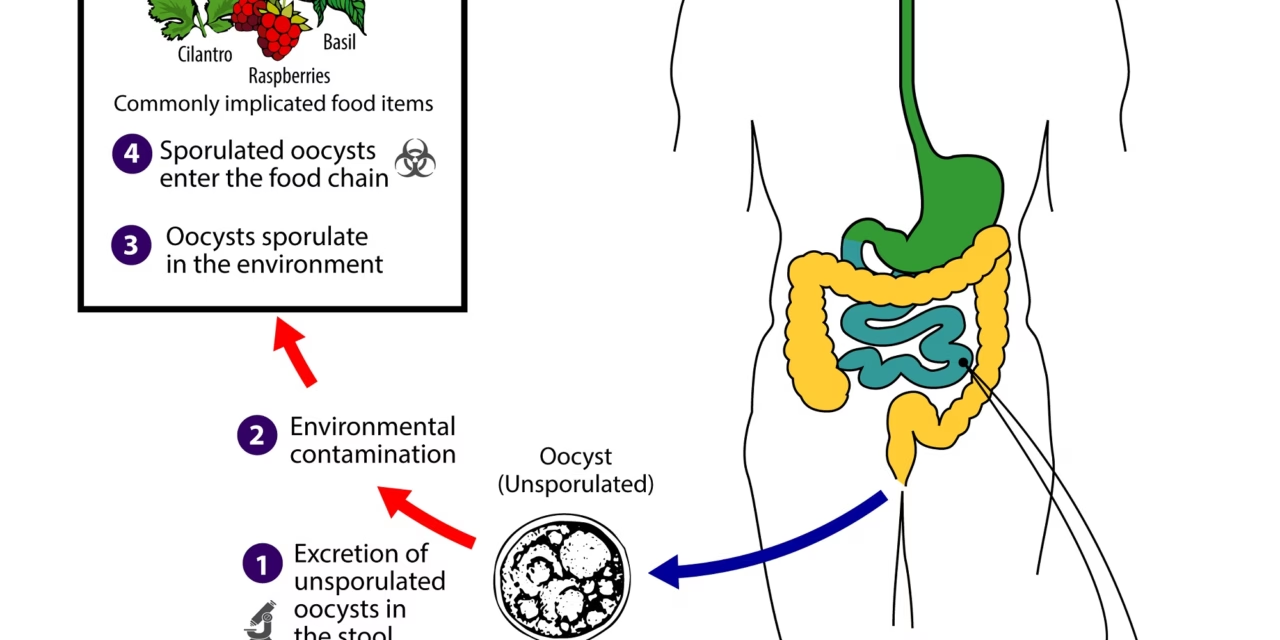
Cyclosporiasis is an intestinal infection caused by Cyclospora cayetanensis, a microscopic single-celled parasite. Unlike bacterial pathogens such as Salmonella or E. coli, Cyclospora requires specific environmental conditions after being shed in human feces to become infectious.
Key Pathogen Characteristics:
Transmission Route: Contaminated food or water (fecal-oral route).
Direct Spread: Extremely rare from person to person because the parasite requires days to weeks outside the host to mature into an infectious state (sporulation).
Primary Vehicles: Fresh produce consumed raw, including leafy greens, berries, basil, and cilantro.
Because the parasite infects fresh produce typically consumed without cooking, there is minimal opportunity to destroy the organism through heat. Washing produce reduces risk but may not completely eliminate the parasite if it has adhered firmly to plant surfaces or crevices.
Typical Clinical Presentation
-
Primary Symptom: Severe, watery diarrhea that can persist for weeks or months if untreated.
-
Accompanying Symptoms: Abdominal cramping, bloating, nausea, fatigue, low-grade fever, and loss of appetite.
-
Complications: Significant fluid loss leading to severe dehydration, particularly in vulnerable populations.
Clinical Guidance and Diagnostic Alerts
On July 14, 2026, the CDC issued a formal Health Alert Network (HAN) notice directing clinicians, diagnostic laboratories, and local public health authorities to heighten vigilance for gastrointestinal illnesses during peak summer months.
For healthcare providers, standard stool cultures for routine bacterial pathogens (like Campylobacter or Shigella) do not detect Cyclospora. Clinicians evaluating patients with prolonged or remitting-relapsing diarrhea must specifically order Cyclospora testing via modified acid-fast staining or multiplex gastrointestinal PCR panels.
While healthy individuals may eventually clear the infection without intervention, the prolonged nature of the illness can cause severe physical exhaustion and dehydration. When clinical treatment is indicated, medical guidelines recommend targeted oral antibiotic therapy—typically trimethoprim-sulfamethoxazole (TMP-SMX)—alongside aggressive oral rehydration.
Scientific Uncertainties and Case Trajectory
Epidemiologists caution against interpreting provisional outbreak counts as final tallies. National surveillance data compiled by federal authorities reflect ongoing reporting streams that fluctuate as diagnostic results are reconciled across municipal, state, and federal boundaries.
Several factors complicate accurate real-time tracking:
-
Underreporting: Many individuals with mild or moderate gastroenteritis recover at home without seeking medical care or submitting diagnostic specimens.
-
Multiple Clusters: Seasonal spikes in Cyclospora infections often involve several overlapping produce distribution chains rather than a single contaminated shipment.
-
Traceback Bottlenecks: Tracking fresh leafy greens through multiple processing centers, distributors, and farms in international locations takes considerable time and documentation.
Public health advisories caution that published figures represent a snapshot of confirmed laboratory reports rather than the total real-world disease burden.
Prevention Measures for Consumers
Because Cyclospora is rarely transmitted directly from person to person within households, isolation measures are generally unnecessary. Prevention efforts focus heavily on food safety practices and awareness of regional food recalls.
-
Thoroughly Wash Produce: Rinse all fresh fruits and vegetables under running tap water before eating, peeling, or cutting. Scrub firm produce with a clean produce brush.
-
Prevent Cross-Contamination: Use separate cutting boards and utensils for raw meats and produce meant to be eaten raw.
-
Monitor Public Alerts: Stay informed regarding active FDA and CDC recalls or store-specific consumer notices involving fresh greens or pre-packaged salads.
-
Maintain Hydration: Anyone experiencing fluid loss should prioritize fluid and electrolyte replenishment.
Individuals experiencing persistent watery diarrhea—especially after consuming fresh salad greens or imported produce—should contact a healthcare professional for clinical evaluation rather than relying indefinitely on over-the-counter anti-diarrheal medications. Older adults, young children, pregnant individuals, and people with compromised immune systems face higher risks for dehydration and should seek prompt medical guidance.
References
-
Reuters. “US FDA widens investigation into cyclosporiasis cases to four additional states.” Reporting on CDC and FDA updates, July 24, 2026.
Medical Disclaimer: This article is for informational purposes only and should not be considered medical advice. Always consult with qualified healthcare professionals before making any health-related decisions or changes to your treatment plan. The information presented here is based on current research and expert opinions, which may evolve as new evidence emerges.