 0
0
 0
0
THIRUVANANTHAPURAM, Kerala — A rapidly escalating public health crisis has gripped southern India as Kerala’s health department confirmed another fatality linked to Shigella infection on Wednesday. The latest victim, a 75-year-old woman from the Malappuram district, brings the state’s total death toll to six since January 2026. With 12 newly documented cases announced yesterday, the total number of infections across the state has surged past 150, prompting emergency state interventions, local school closures, and rigorous food and water safety sweeps.
The Escalation: Rapid Spread and Rising Fatalities
The bacterial outbreak has shown a sharp, aggressive spike as the monsoon season advances, with 70 of the 150 cases recorded in June alone. The geographic footprint of the infection has expanded significantly, affecting multiple districts including Wayanad, Kollam, Thiruvananthapuram, Malappuram, and Kannur.
Currently, Kozhikode district remains the epicenter of the crisis with 74 cases. Malappuram follows with 25 cases and two recorded deaths, while the state capital, Thiruvananthapuram, has also logged 25 cases. Health officials have freshly identified the areas of Edavanna and Thenchipalam in Malappuram as high-risk outbreak zones.
Among the newly confirmed cases is a 62-year-old woman from Koothuparamba in the Kannur district, who tested positive after presenting with classic severe symptoms: acute diarrhea laced with blood and mucus.
However, the demographic bearing the brunt of this outbreak is children. In Wayanad’s Koliyadi area, eight students from the Mar Baselios UP School—including young girls aged five, seven, eight, nine, and 11—were confirmed positive. The state previously mourned the loss of a four-year-old girl in Wayanad in early June, followed closely by the death of a seven-year-old boy from Malappuram on June 15 while undergoing intensive treatment at the Kozhikode Government Medical College Hospital.
Understanding Shigella: A Highly Potent Pathogen
Shigella is a genus of bacteria that causes shigellosis, a severe form of gastroenteritis (inflammation of the stomach and intestines). While many common foodborne illnesses require the ingestion of thousands of microbes to make a person sick, Shigella is uniquely hazardous due to its exceptionally low infectious threshold.
The 10-Particle Rule: As few as 10 to 100 bacterial particles are enough to cause a full-blown infection. The bacteria are uniquely adapted to survive the highly acidic environment of the human stomach, allowing them to pass safely into the intestines where they multiply and destroy tissue.
Outside the host body, the bacteria are highly resilient, capable of surviving in water sources for weeks. It spreads via the fecal-oral route—primarily through sewage-contaminated drinking water, unhygienic food handling, or direct person-to-person contact.
“Infectious disease experts note that Shigella is most severe in children below age five, as their immune systems are less efficient at clearing the infection early,” explains Dr. Rajeev Jayadevan, Ex-President of the Indian Medical Association (IMA) Cochin and Convener of the Research Cell in Kerala. “Adults also become ill, but acquired immunity from childhood keeps the infection mild in many instances.”
Despite general adult resilience, the disease turns lethal on a u-shaped curve, hitting vulnerable young children, the elderly, and immunocompromised individuals the hardest because they cannot handle the rapid fluid loss and potential systemic complications.
State Mobilization: Expert Committee and Containment Measures
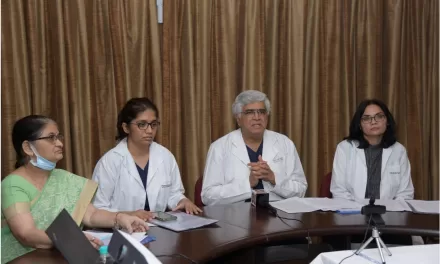
In response to the surge, Kerala Health Minister K. Muraleedharan announced the formation of a high-powered committee on infectious diseases. The panel is chaired by Dr. S.S. Lal, a veteran World Health Organization (WHO) consultant, and is tasked with holding weekly reviews to direct immediate containment tactics and establish long-term prevention protocols.
“The committee will prepare a calendar of seasonal epidemics and recommend preventive measures to strengthen the state’s disease surveillance and response systems,” Muraleedharan stated during a press briefing.
The government has deployed several immediate countermeasures:
-
Hospital Protocols: Health workers and visitors must wear masks at hospitals, especially during fever episodes.
-
School Sweeps & Mandates: The Food Safety Department has intensified inspections of school midday meals and local drinking water sources.
-
Administrative Closures: In Wayanad, the District Collector declared a complete administrative holiday for all educational institutions across the Sulthan Bathery Municipality and adjacent panchayats to break the chain of transmission among school-age children.
Treatment Guidelines and the Shadow of Drug Resistance
For healthy adults, most Shigella infections are self-limiting, resolving naturally within 5 to 7 days with rest and aggressive oral rehydration. However, for severe or high-risk cases, targeted antibiotic therapy is vital, potentially shortening the duration of painful symptoms and fever by roughly two days while reducing person-to-person shedding.
Medical providers face a significant hurdle: Shigella has developed widespread resistance to historical first-line antibiotics such as ampicillin, co-trimoxazole, and nalidixic acid.
According to WHO guidelines, fluoroquinolones (such as ciprofloxacin) and macrolides (such as azithromycin) are the modern standard oral treatments for patients presenting with bloody diarrhea, frequently paired with zinc supplementation for children. However, clinicians are urged to order stool cultures and antimicrobial susceptibility testing promptly to ensure the prescribed antibiotic matches the specific outbreak strain.
Public Health Implications and Critical Caveats
The epicenter of the Wayanad school cluster was traced directly to environmental failure: microbiological tests of the Mar Baselios AUP School’s primary drinking water well revealed massive contamination from dangerous organic waste.
“The abundance of waterbodies and stagnant water, besides climatic and environmental factors, contribute to the rising number of cases in the state,” noted Dr. Jayadevan, pointing to how monsoon flooding can cause sewage lines to overflow into open drinking wells.
Despite the well-water findings in Wayanad, public health officials caution against over-generalization. Health Minister Muraleedharan clarified that while secondary person-to-person contact is suspected of driving the spread in other districts, the exact source of transmission in several clusters remains under active investigation. Furthermore, global data from the peer-reviewed literature highlights that hospital fatality rates for shigellosis can sit between 9.1% and 11% in developing sectors, particularly when compounded by childhood malnutrition or hypoproteinemia (low blood protein levels), underscoring that timely medical intervention is just as critical as clean water.
What This Means for You: Actionable Protection
While the state government works to sanitize infrastructure, the ultimate defense against Shigella relies on strict personal and domestic hygiene.
| Target Group | Crucial Public Health Recommendation |
| Everyday Consumers |
• Boil your water: Bring drinking water to a rolling boil. • Food safety: Eat freshly cooked, steaming-hot food. Avoid raw roadside salads. • Hand hygiene: Wash hands vigorously with soap for 20 seconds before cooking, eating, and after using the restroom. |
| Parents & Caregivers |
• Monitor children closely for high fever, severe abdominal cramps, or stool containing blood or mucus. • Do NOT administer over-the-counter anti-diarrheal medicines like loperamide (Imodium). These drugs slow down bowel motility, trapping the bacterial toxins inside the intestines and worsening the disease. |
| Healthcare Professionals |
• Maintain a high index of suspicion for shigellosis in patients presenting with acute febrile bloody diarrhea. • Order stool cultures early and initiate localized, susceptibility-aligned empiric antibiotic therapy. |
Though the current surge is concentrated in specific districts, medical experts emphasize that neighboring regions must remain highly vigilant. As clinicians at Baby Memorial Hospital in Kozhikode noted, while the pathogen is inherently dangerous to high-risk groups, it does not pose an unmanageable crisis if basic personal hygiene and water sanitation protocols are strictly observed.
Medical Disclaimer
This article is for informational purposes only and should not be considered medical advice. Always consult with qualified healthcare professionals before making any health-related decisions or changes to your treatment plan. The information presented here is based on current research and expert opinions, which may evolve as new evidence emerges.
References
Study and Statistical Sources
-
Kerala Health Department. Shigella infection cases and fatalities in Kerala, June 2026. Thiruvananthapuram: Directorate of Health Services, Report issued June 17, 2026.