 0
0
 0
0
THIRUVANANTHAPURAM, June 17, 2026 — Kerala’s Health Department has launched a state-wide, three-day weekly “Dry Day” campaign beginning this week. The proactive public health initiative aims to combat a seasonal surge of infectious diseases as monsoon rains intensify across the southern Indian state. The structural framework breaks down source-reduction responsibilities by sector, mandating that schools observe dry days on Fridays, government offices and public institutions on Saturdays, and private households on Sundays.
The decision follows a high-level epidemic review meeting chaired by Kerala Health Minister K. Muraleedharan, alongside district collectors and medical officers. While the state has already initiated measures to curb water-borne illnesses like Shigella bacterial infections, health authorities warned that atmospheric conditions are highly ripe for a significant spike in vector-borne diseases, particularly dengue fever.
The Disease Burden: Analyzing the Outbreak
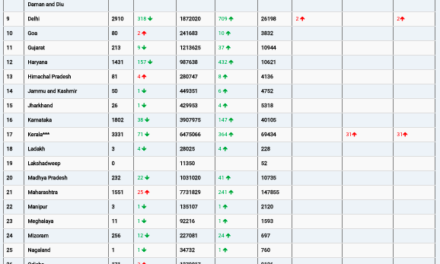
Data released by the Kerala Directorate of Health Services paints a sobering picture of the state’s current public health landscape. Since June 1, 2026, the state has recorded 24 confirmed deaths attributed to various communicable diseases, with an additional 12 suspected deaths currently under medical investigation.
The epidemiological surveillance data from the first two weeks of June highlights a multi-front threat:
| Disease | Confirmed Cases (June 1–11, 2026) | Confirmed Deaths |
| Influenza | 5,297 | 0 |
| Hepatitis A | 2,652 | 0 |
| Chikungunya | 617 | 3 |
| Leptospirosis (Rat Fever) | 88 | 2 |
| Shigella | 38 | 1 |
| Amoebic Meningoencephalitis | 8 | 2 |
Bacterial pathogens are also causing significant concern. Since January 1, 2026, Kerala has logged 114 confirmed cases of Shigella—a severe intestinal infection—alongside 80 suspected cases and two deaths. Geographic analysis shows Kozhikode is bearing the brunt of the Shigella outbreak with 74 cases, followed by Malappuram and the capital city of Thiruvananthapuram, which have recorded 25 cases each.
Tactical Source Reduction: How the “Dry Day” Strategy Works
The core of the state’s prevention model relies on “source reduction”—the physical removal of stagnant water where mosquitoes lay eggs. The campaign specifically targets the Aedes aegypti mosquito, the primary vector responsible for transmitting dengue and chikungunya viruses.
Unlike other mosquito species that breed in large, dirty bodies of water, Aedes aegypti prefers clean, stagnant water typically found in human-made containers around homes, schools, and workplaces.
[Friday: Schools] --------> [Saturday: Offices] --------> [Sunday: Households]
  - Check midday kitchens     - Clean courtyards           - Empty flowerpots
  - Test water sources        - Clear drainage channels    - Clean storage tanks
  - Educate students          - Remove site debris         - Clear rooftop gutters
“The dry day calendar represents community-based vector control, which the World Health Organization (WHO) identifies as fundamentally critical for dengue prevention,” explained Dr. Rajesh Menon, a Senior Consultant in Infectious Diseases at Apollo Hospitals, Chennai, who is not directly involved in the Kerala initiative.
“Source reduction—physically eliminating container habitats where mosquitoes breed—is vastly more effective than reactive chemical fogging alone. The division of responsibility across different days is strategically sound because it ensures comprehensive public coverage while respecting the operational schedules of each sector.”
According to official guidelines from the WHO, a single female mosquito can lay up to 100 eggs at a time, which can develop into adults in less than a week. By emptying, scrubbing, and drying water storage vessels at least once every seven days, the lifecycle of the insect is effectively broken.
State Directives and District Enforcement
To ensure compliance, Health Minister Muraleedharan issued a series of sweeping operational directives targeting food, water, and environmental safety:
-
Food and Water Audits: Food safety inspectors will conduct rigorous evaluations of school midday meal kitchens and public eateries. Unhygienic stalls face immediate closure.
-
Targeted Environmental Controls: Health officials will coordinate with the Civil Supplies Department to secure adequate kerosene supplies for indoor larval control spraying.
-
Precision Fogging: Thermal fogging operations designed to kill adult mosquitoes must be strictly coordinated on days without rainfall to prevent the active ingredients from washing away.
-
Respiratory Precautions: In light of the high volume of influenza cases, individuals experiencing cough or fever are required to wear masks at public gatherings. Hospital visitors are strongly urged to do the same, and parents are instructed to keep symptomatic children home from school.
District collectors have been granted full administrative authority to enforce these guidelines, collaborating directly with local self-government institutions and ward-level health inspectors to monitor neighborhoods.
Historical Context and Environmental Challenges
Public health experts note that Kerala’s intense monsoon season (stretching from June to September) creates a predictable annual surge in water and vector-borne illnesses. For instance, the arrival of the monsoon in May 2025 resulted in a staggering 321 confirmed dengue cases in just two weeks, leaving over 1,300 individuals hospitalized. State health officials admitted that the disruption of routine pre-monsoon sanitation drives earlier this year, caused by shifting administrative focus during the assembly elections, likely exacerbated the current habitat accumulation.
To look beyond immediate crisis management, the state government announced the formation of a high-powered medical panel on June 15. Chaired by prominent public health expert Dr. S. S. Lal—with Health Department Principal Secretary Dr. Sharmila Mary Joseph acting as coordinator and Dr. Sreejith N. Kumar as convener—the committee will investigate the underlying systemic causes behind the state’s recurring outbreaks and recommend long-term infrastructure improvements.
Limitations and the Shifting Climate Reality
Despite the structural benefits of the campaign, medical experts caution against viewing “Dry Days” as a standalone cure-all.
“Community participation is essential, but it is insufficient on its own,” warned Dr. Anitha Super, a Public Health Specialist with the Tamil Nadu Medical Council. “Sustainable suppression of vector populations ultimately depends on sustained government infrastructure, regular waste management, and highly coordinated intervention strategies across all levels of urban planning.”
The WHO similarly acknowledges that localized vector control campaigns often struggle with weak local program capacities, a lack of standardized metrics to measure direct efficacy, and changing weather realities.
Furthermore, shifting environmental patterns mean public health agencies can no longer rely purely on seasonal planning. Rising global temperatures, highly erratic rainfall patterns, and rapid urbanization have transformed dengue from a strictly monsoon-driven emergency into a year-round threat across urban India.
Citizen Checklist: Protecting Your Home
Public health officials emphasize that individuals can significantly lower their personal risk profile by integrating standard preventative measures into their weekly routines.
-
Eliminate Breeding Sites: Every Sunday, empty and scrub indoor flowerpots, pet water bowls, refrigerator drip trays, and air conditioner cooling units.
-
Secure Storage Containers: Ensure all domestic water barrels and overhead storage tanks are tightly sealed with fitted lids or fine mesh screens.
-
Personal Protection: When outdoors during peak mosquito biting hours (early morning and late afternoon), wear loose, long-sleeved clothing.
-
Chemical Barriers: Apply topical insect repellents containing active ingredients approved by health authorities, such as DEET, Picaridin, or IR3535, and utilize household insecticide vaporizers where appropriate.
Medical Disclaimer: This article is for informational purposes only and should not be considered medical advice. Always consult with qualified healthcare professionals before making any health-related decisions or changes to your treatment plan. The information presented here is based on current research and expert opinions, which may evolve as new evidence emerges.
References
- https://health.economictimes.indiatimes.com/news/policy/kerala-health-department-releases-dry-day-calendar-to-combat-communicable-diseases/131815262?utm_source=latest_news&utm_medium=homepage