 0
0
 0
0
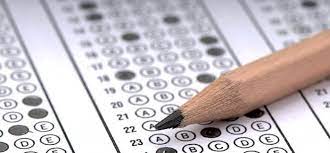
SHIMLA, INDIA — Public health and educational anxieties reached a boiling point on Thursday, June 11, 2026, as hundreds of student activists staged a massive demonstration at the historic Scandal Point in Shimla, Himachal Pradesh. The protest, organized by the Students’ Federation of India (SFI), erupted in response to systemic irregularities and an alleged paper leak surrounding the National Eligibility cum Entrance Test (NEET-UG) — India’s highly competitive gateway examination for undergraduate medical education. Demanding the immediate resignation of Union Education Minister Dharmendra Pradhan and the dissolution of the National Testing Agency (NTA), the demonstration led to the widespread detention of activists by local law enforcement, underscoring a deep national crisis that medical professionals warn is precipitating a secondary, silent epidemic of acute psychological stress among millions of young aspiring doctors.
Escalating Unrest in the Medical Education Sector
The demonstration in Shimla marks a significant escalation in ongoing nationwide backlash against the NTA, the centralized body responsible for administering major high-stakes educational assessments. Protesters holding placards and chanting slogans voiced deep indignation over structural vulnerabilities within the current examination framework. Law enforcement officials deployed to Scandal Point intervened as the situation intensified, taking dozens of student leaders and activists into preventative custody to restore public order.
Addressing the gathered crowd prior to his detention, Anil Thakur, SFI State President, vehemently critiqued the centralized testing infrastructure, demanding that the NTA be abolished immediately and that medical entrance assessments be decentralized to individual state authorities.
“The NTA has completely compromised the integrity of our country’s most critical academic gates,” Thakur stated during the rally. “Repeated incidents of paper leaks, abrupt examination cancellations, recurring technical glitches, and administrative discrepancies have systematically dismantled the credibility of these tests. Every single breach and cancelled assessment deals a devastating, heartbreaking blow to thousands of students across Himachal Pradesh and India who have sacrificed years of their lives, immense financial resources, and their physical well-being to prepare for these exams.”
Thakur further condemned the institutional silence of the Ministry of Education, claiming that the legitimate grievances of students seeking transparency are being actively suppressed. The SFI announced that the Shimla demonstration is part of a broader, compounding mobilization strategy, confirming that student cohorts from across the state will march directly to the Ministry of Education in New Delhi on June 19 to escalate their demands.
The unrest follows a highly turbulent examination cycle. The initial NEET-UG examination, administered to more than 2.4 million candidates across the country, was compromised by verified breaches, leading to unprecedented cancellations and mandated re-testing. The ongoing instability has extended to other essential academic sectors, including the complete cancellation of the University Grants Commission-National Eligibility Test (UGC-NET) and reported operational irregularities within the Common University Entrance Test (CUET).
The Public Health Impact: The Psychological Cost of Academic Chronic Stress
While the political and structural dimensions of the NEET controversy dominate news headlines, public health officials and psychiatric experts are increasingly alarmed by the severe mental health toll the crisis is extracting from adolescent and young adult populations. Preparing for the single-sitting medical entrance exam is inherently stressful; however, prolonged uncertainty, sudden cancellations, and the sudden disruption of preparation momentum are pushing many vulnerable students into severe psychological distress.
Independent clinical experts specializing in adolescent psychiatry, who are not connected to the NTA or the political protests, emphasize that high-stakes test anxiety combined with institutional instability forms a dangerous psychological cocktail.
“What we are seeing clinically is a profound sense of systemic betrayal and existential despair among these young overachievers,” noted Dr. Ananya Sen, a veteran consultant psychiatrist and child mental health advocate based in New Delhi. “When an exam of this magnitude is cancelled or marred by corruption, it destroys the psychological contract between the student and society. The brain’s stress response system is forced to stay in an extended, pathological state of hypervigilance. We are documenting a sharp, quantifiable surge in clinical anxiety disorders, severe depressive episodes, learned helplessness, and, tragically, acute suicidal ideation across this demographic.”
Large-scale statistical metrics reflect the staggering scale of the problem. According to historical data from the National Crime Records Bureau (NCRB), student suicides in India have risen steadily over the past decade, frequently linked directly to academic pressure and failure within competitive testing environments. Epidemiological studies routinely show that over 65% of competitive exam aspirants meet the clinical criteria for moderate-to-severe anxiety. Public health professionals argue that when the validity of the testing mechanism itself is destroyed, the baseline psychological stress multiplies exponentially, turning a difficult academic hurdle into a critical public health hazard.
Proposed Policy Countermeasures and Systemic Reforms
In response to the growing national crisis, legislative and advisory groups are scrambling to find sustainable alternatives to mitigate student distress and safeguard the integrity of medical training.
Recent briefings from the Parliamentary Standing Committee on Health and Family Welfare revealed that committee members have formally proposed a major overhaul of the current medical admission format. Recognizing that a single-sitting, annual exam creates an artificial, high-pressure environment that rewards rote memorization and invites massive corruption, the panel suggested transitioning NEET-UG into a multi-phase examination held multiple times a year.
The committee’s policy recommendations focus heavily on mitigating structural risks:
-
Decentralization of Assessment Risks: Offering the examination multiple times per year ensures that if a localized or nationwide paper leak occurs, it does not collapse the entire academic calendar, allowing untainted scores from alternative cycles to stand.
-
Reduction of Acute Psychological Pressure: Allowing multiple attempts within a single calendar year prevents students from losing an entire calendar year due to a single bad testing day or an external logistical failure, drastically lowering the risk of severe situational depression.
-
Modernized Testing Infrastructure: Transitioning from massive paper-and-pencil tests to localized, secure, computer-based testing models similar to international medical boards, reducing the physical trail prone to logistical leaks.
Balanced Perspectives and Limitations of Current Proposals
Despite the widespread public demand for immediate reform, health policy analysts and educational experts caution that restructuring India’s largest medical entrance exam is a complex logistical task with its own set of potential drawbacks.
Opponents of sudden decentralization argue that reverting back to state-level medical exams could recreate the fractured, unequal admission landscape that existed prior to NEET’s introduction in 2013. Under the old system, varying state standards, fluctuating marking criteria, and lack of transparency across independent institutional entrance exams frequently left students vulnerable to localized exploitation and arbitrary admission rules.
“While the current centralized model under the NTA has clearly demonstrated critical operational vulnerabilities that require immediate correction, a panicked dismantle of the unified system is not without significant peril,” said Dr. K. R. Vijayakumar, a retired public health administrator and educational policy researcher. “A standardized benchmark ensures that a medical student graduating from any region meets a universally verified baseline of competency. If we completely fragment the testing process again, we risk compromising the future standard of care in our national healthcare delivery system. The solution must center on rigorous, foolproof technological oversight, independent anti-fraud auditing, and robust mental health support structures within schools — not a total regression to fragmented state testing.”
Implications for Public Health and Daily Health Decisions
For families, educators, and the health-conscious public navigating this chaotic educational landscape, the current crisis requires immediate, conscious changes in how academic stress is managed at home. Public health bodies emphasize that families must actively prioritize mental well-being over performance tracking during this prolonged period of uncertainty.
Public health advisories recommend that parents and guardians look for early signs of severe stress or burnout, including chronic insomnia, marked changes in appetite, social withdrawal, or uncharacteristic emotional outbursts. Experts urge families to actively foster supportive home environments where a student’s self-worth is explicitly decoupled from their examination scores or the fluctuating schedules of testing agencies.
As the political struggle over the future of the NTA moves toward a major protest in New Delhi on June 19, the medical community’s primary objective remains clear: protecting the psychological and emotional safety of the nation’s future healthcare providers is just as critical to long-term public health as verifying their academic qualifications.
Medical Disclaimer
This article is for informational purposes only and should not be considered medical advice. Always consult with qualified healthcare professionals before making any health-related decisions or changes to your treatment plan. The information presented here is based on current research and expert opinions, which may evolve as new evidence emerges.
Reference Section
Primary News Source
-
Medical Dialogues Bureau. (June 12, 2026). NEET paper leak row: Activists stage massive protest in Shimla, demand education minister’s resignation, many detained. Medical Dialogues.